Blog
+44 345 300 2752: Who Called Me? Complete Phone Number Guide for 2026

Receiving an unexpected call from +44 345 300 2752 can immediately raise questions. We may wonder who is calling, whether the number belongs to a legitimate organization, why we have been contacted, and whether it is safe to answer or call back. In 2026, identifying unfamiliar telephone numbers requires more than simply looking at the area code because businesses, customer-service departments, automated systems, and scammers can all use non-geographic numbers.
The +44 country code identifies the United Kingdom, while 0345 numbers are UK non-geographic business numbers. This means the number is not tied to a particular city in the same way as a conventional geographic landline. When dealing with +44 345 300 2752, the safest approach is to assess the context of the call, verify the caller independently, and avoid providing confidential information until the caller’s identity has been established.
What Is +44 345 300 2752?
+44 345 300 2752 is the international format of the UK number 0345 300 2752. The +44 prefix is used when a UK telephone number is written or dialed internationally, while the domestic format normally begins with 0.
The 0345 range is a non-geographic number range used by organizations throughout the United Kingdom. Unlike numbers beginning with area codes such as 020, 0161, or 01865, an 0345 number does not tell us that the caller is physically located in a particular town or city.
Non-geographic numbers are commonly used by businesses, public-sector organizations, customer-service departments, charities, financial institutions, utilities, and other organizations that want a national contact number rather than a location-specific line.
This makes it difficult to determine the identity of +44 345 300 2752 from the number alone. We should therefore avoid assuming that the number belongs to a particular company unless the identity has been independently verified.
Why Might +44 345 300 2752 Be Calling?
There are many legitimate reasons why an organization might contact us from an 0345 number. We may have recently contacted customer support, submitted an online enquiry, arranged an appointment, placed an order, requested a service, or interacted with an organization that uses a centralized telephone system.
Some companies also use outbound calling systems that display a customer-service or non-geographic number. In such situations, the number may be genuine even if we do not immediately recognize it.
However, an unfamiliar 0345 number can also be used for marketing calls, automated communications, surveys, account-related notifications, or nuisance calls. In addition, caller ID can potentially be spoofed, meaning the number displayed on our phone may not necessarily identify the actual source of the call.
Because of this, the number itself should be treated as only one piece of information. The circumstances surrounding the call are equally important.
If we recently requested a service from a UK organization, checking our emails, text messages, account notifications, and recent transactions may help explain why we received the call.
Is +44 345 300 2752 Legitimate or a Scam?
There is insufficient verified information to conclusively classify +44 345 300 2752 as either legitimate or fraudulent based solely on the telephone number.
This distinction matters. An unfamiliar number is not automatically a scam, but neither should we assume that a caller is genuine simply because the number looks professional.
A legitimate caller should generally be able to explain the purpose of the call without demanding unnecessary confidential information. If someone claims to represent a bank, insurer, government department, retailer, delivery company, or other organization, we can ask for basic identifying information and then independently verify the claim.
We should be especially cautious if the caller asks for passwords, PINs, one-time passcodes, full banking credentials, or immediate payment. We should not provide such information simply because the caller knows our name or some basic personal details.
If the caller creates urgency by saying that an account will immediately be closed, money will be lost, a payment must be made, or legal action will occur unless we act during the call, that is a strong reason to pause and verify the situation independently.
What Should We Do If +44 345 300 2752 Calls?
If we recognize the reason for the call and were expecting communication from a UK organization, we can answer while remaining careful about sensitive information.
If we do not recognize the number, allowing the call to go to voicemail can be a sensible option. A genuine organization may leave a message explaining who they are and why they called.
When answering an unexpected call, we should avoid volunteering unnecessary personal details. Instead, we can ask the caller to explain the purpose of the call.
If the caller claims to represent a company, we should independently find the organization’s official website or contact details and verify the call through a trusted channel. We should not rely solely on a telephone number or website address provided during the suspicious conversation.
If the caller sends a link by text message or email immediately after the call, we should also avoid clicking it until the communication has been independently verified.
Warning Signs to Watch For
Several characteristics can indicate that an unexpected call deserves additional scrutiny. The most important warning sign is pressure to act immediately.
A suspicious caller may insist that we must transfer money, disclose a security code, install software, click a link, or provide account information before the call ends. Legitimate organizations generally have established procedures and should not require us to surrender sensitive credentials simply because someone called unexpectedly.
Another warning sign is a request for remote access to our computer or smartphone. We should never install remote-control software or give an unknown caller access to our device merely because they claim that there is a technical problem.
We should also be cautious when a caller asks us to move a conversation to a different messaging platform or provides payment instructions that cannot be verified through the organization’s official channels.
Unexpected automated calls, repeated calls with no clear explanation, or calls that disconnect immediately after we answer may also warrant caution.
The safest rule is simple: when something feels unusual, stop and verify before acting.
How to Check +44 345 300 2752 Safely
We can investigate +44 345 300 2752 by searching the complete number in several formats, including 0345 300 2752. Different websites and telephone directories may format the same number differently.
However, online caller reports should be treated carefully. User comments can provide useful clues about calling patterns, but they do not necessarily prove ownership or establish that every call from the number has the same source.
If the caller claims to represent a particular organization, the most reliable verification method is to locate that organization’s official website independently and use the contact information published there.
We should never assume that a search result alone proves the identity of the caller. Businesses can change telephone systems, numbers can be reassigned, and caller ID can potentially be manipulated.
How to Block +44 345 300 2752
If the calls are unwanted, we can block +44 345 300 2752 using the phone’s built-in call-management features.
On an iPhone, we can open the Phone app, locate the number in the recent-call list, select its information option, and choose to block the caller.
On most Android phones, we can open the Phone app, find the number in the call history, and select Block or Block/report spam. The exact wording can vary between manufacturers and operating-system versions.
Blocking one number may reduce unwanted calls, but it cannot guarantee that the same caller will not use another number. If we receive repeated nuisance calls, we can also investigate spam-filtering services and call-screening features provided by our mobile operator or device.
Conclusion
+44 345 300 2752 is formatted as a UK 0345 non-geographic number. The +44 prefix represents the United Kingdom, while the 0345 range is commonly used by organizations that require a nationwide telephone number rather than a geographic landline.
The number itself does not provide enough verified information to establish exactly who is calling or whether a particular call is legitimate. We should therefore focus on the context of the call and the behavior of the caller rather than relying solely on the displayed number.
Ultimately, the best protection is simple: pause, verify, and never allow an unfamiliar caller to pressure us into making an immediate decision.
Frequently Asked Questions About +44 345 300 2752
What is +44 345 300 2752?
It is a UK telephone number written in international format. Its domestic UK format is 0345 300 2752, using the non-geographic 0345 number range.
What does +44 mean?
+44 is the international country calling code for the United Kingdom. When calling a UK number internationally, the initial domestic 0 is normally omitted.
Is 0345 a geographic number?
No. 0345 is a non-geographic UK number range, so it does not identify a particular city or region.
Is +44 345 300 2752 a scam?
There is not enough verified information to conclude that the number itself is a scam. We should nevertheless treat unexpected calls cautiously and independently verify any claims made by the caller.
Can we block +44 345 300 2752?
Yes. Most smartphones allow us to block unwanted callers from the recent-call screen. Spam-filtering options may also be available.
What if the caller asks for a security code?
We should never disclose one-time authentication codes, passwords, PINs, or banking credentials to an unexpected caller. We should end the call and contact the organization through a trusted official channel.
Can an 0345 number be spoofed?
Yes. Like other caller-ID information, a displayed telephone number can potentially be manipulated. Therefore, seeing +44 345 300 2752 on our screen does not by itself prove the identity of the caller.
Have you ever looked at your full name and wondered, “How many of me are there?” It is a simple question, but the answer can reveal interesting information about names, population patterns, identity, and family history.
A name that seems unique within a small community may actually belong to thousands of people across a country. Conversely, a familiar first name combined with a rare surname can create a remarkably uncommon full-name combination.
Online name-search services such as HowManyofMe were created to help people explore this question. By entering a first name and last name, users can obtain an estimate of how many people may share the same name. In 2026, these tools remain interesting resources for curiosity and preliminary demographic research, provided we understand their limitations.
What Does “How Many of Me Are There” Mean?
The question “How many of me are there?” usually means how many other people share your first and last name.
It is different from asking how many people have your first name. For example, thousands or millions of people might have a popular first name, but far fewer may share the exact combination of that first name and a particular surname.
Consider a hypothetical name such as James Wilson. James may be common, and Wilson may also be common. When the two are combined, however, the number of people with exactly the same name becomes a separate statistical question.
This is why full-name searches can be fascinating. They help us move beyond general name popularity and examine the potential uniqueness of an individual’s complete name.
The answer is generally expressed as an estimate, not a guaranteed count of every person currently living with that name.
How Can We Find Out How Many People Share Our Name?
A How Many of Me style search normally requires only two basic details:
- First name
- Last name
After entering the information, the service uses available demographic and name-frequency data to estimate how many individuals could have the same name.
The calculation is based on probability and population statistics. If a first name occurs frequently and the surname is also widespread, the likelihood of numerous matching combinations is higher.
If both names are relatively rare, the estimated number can be much smaller.
For example, a common first name paired with a common surname may produce a large estimate. An unusual first name combined with an uncommon surname may produce a result suggesting that very few people share the complete name.
This makes name calculators useful for exploring name popularity and uniqueness without requiring users to search through thousands of individual records.
Why Are Some Names More Common Than Others?
The number of people sharing a name depends on many historical and demographic factors.
First-name popularity can change over time. Names may become popular because of cultural traditions, historical figures, celebrities, entertainment, literature, religion, or changing social preferences. Some names remain popular for generations, while others become less common after a particular period.
Surnames have different origins. They can come from occupations, geographical locations, ancestral names, personal characteristics, languages, and historical communities. Migration has also caused surnames to spread across countries and continents.
Geography can therefore have a significant effect on name frequency. A surname that is unusual in one region may be relatively common in another.
The combination of first name and surname is especially important. A person can have a very common first name but still have a rare full name because the surname is unusual.
Likewise, someone with a moderately common first name and a highly common surname may discover that many other people have the same complete name.
How Accurate Is a “How Many of Me” Result?
The most important limitation is that a name-search result is generally a statistical estimate.
It should not be interpreted as a live census containing every person who currently has the name.
Population information changes constantly. People are born, die, move between countries, marry, legally change their names, and sometimes use different versions of their names. Historical datasets may therefore produce estimates that differ from current population conditions.
Spelling is another important factor. Two surnames can have similar origins but different spellings, and databases may treat them as separate names.
Names can also be recorded differently depending on the source. A person may use a middle name, nickname, shortened form, or alternative spelling in everyday life.
Because of these factors, no single name calculator should be treated as an exact population count. Instead, the result is most useful as an indication of whether a particular name combination is relatively common or uncommon.
Can Sharing a Name Tell Us Who Someone Is?
Finding another person with the same name can be interesting, but a matching name does not establish someone’s identity or family relationship.
This is particularly important when researching genealogy.
Suppose two people have the same first name and surname. They could be relatives, but they could also have completely unrelated family histories. A common surname may have developed independently among many different families.
To establish a family connection, researchers generally need additional evidence such as birth records, marriage records, census documents, immigration records, historical newspapers, family archives, or genealogy research.
A name-frequency tool can therefore be considered a starting point rather than proof.
The same principle applies when trying to identify another person online. A name match alone is not enough to determine that two records refer to the same individual.
How Name Searches Can Help With Genealogy and Research
One useful application of How Many of Me searches is genealogy.
Researchers may discover that a surname is extremely common, which can explain why finding the correct historical family record is difficult. Alternatively, an uncommon surname can provide a useful starting point for investigating historical documents.
Name-frequency information can also help researchers understand population and naming trends.
For example, a researcher studying immigration might investigate how a surname became more prevalent in a particular country. Someone studying cultural history could examine how first-name popularity changed across generations.
Students can also use name statistics for demographic projects, while writers may use them when creating realistic fictional characters.
However, name frequency should always be combined with other evidence when conducting serious research.
How to Interpret Your Results in 2026
When we search for how many of me are there, the number itself is only part of the answer.
A high estimate generally suggests that the first name and surname combination is relatively common within the population represented by the underlying data. A low estimate suggests that the combination is comparatively unusual.
Neither result necessarily tells us the exact number of people living with that name today.
For more detailed research, we can compare name-search estimates with government demographic information, census records, genealogy databases, historical documents, and other reputable statistical sources.
It is also important to consider the date of the information. A name’s popularity can change substantially over decades, and population movement can alter the geographic distribution of surnames.
The best interpretation is therefore: the result provides statistical context, not definitive proof.
Why Asking “How Many of Me Are There?” Is So Interesting
The question may begin as simple curiosity, but it highlights an important aspect of personal identity.
Most of us encounter only a limited number of people during everyday life. Because of that, a name can feel unique simply because we have not met many people who share it.
The internet provides a much larger view. A name that seems rare locally can turn out to be common nationally, while an unusual combination may genuinely be shared by relatively few people.
This makes name-frequency searches entertaining, educational, and potentially useful for research.
At the same time, we should remember that every matching name belongs to a different person with a different life story. Statistical similarity does not mean personal similarity.
Final Thoughts: How Many of Me Are There?
How many of me are there? is a fascinating question that can be explored through online name-frequency calculators and demographic resources.
A first-and-last-name search can provide an estimate of how many people may share a particular name, helping us understand name popularity, uniqueness, demographic patterns, and family-history possibilities.
The key is to interpret the result correctly. A name-search number is an estimate rather than an exact real-time census. Differences in population data, spelling, migration, name changes, and data sources can all affect the result.
For casual curiosity, exploring the frequency of our name can be surprisingly enjoyable. For genealogy and serious research, the result can serve as a starting point that should be supplemented with reliable historical and demographic records.
Ultimately, discovering how many people share our name reminds us that a name can be common or rare, but the individual behind that name is always unique.
What Are Wollmatten?
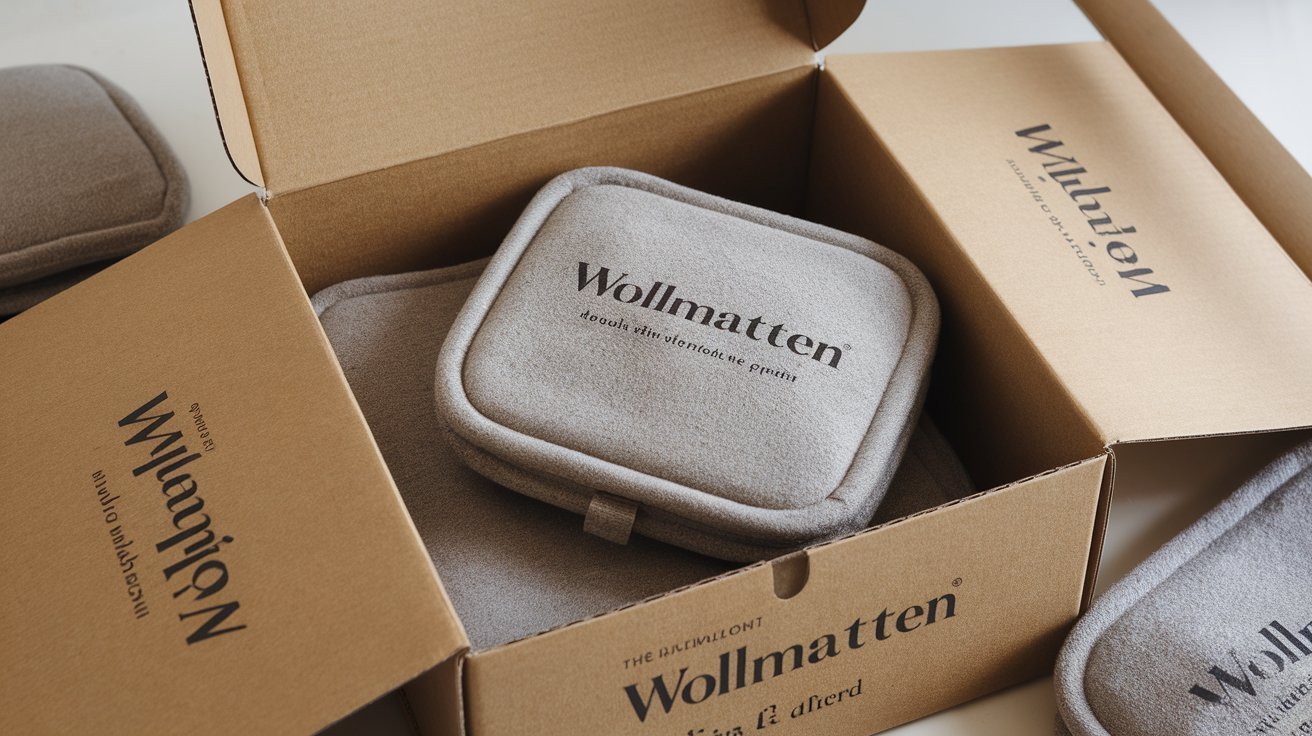
Wollmatten is a German term generally understood to mean wool mats. The singular form is commonly written as Wollmatte, while Wollmatten refers to multiple wool mats. The word itself does not identify one particular brand, patented product, standardized design, or single application. Instead, it can describe a broad group of mats made entirely or partly from wool and designed for different purposes.
This broad definition explains why searches for Wollmatten can produce surprisingly different results. One product may be a soft floor covering, another may be a dense felt pad, and another may be manufactured for building insulation, sound control, gardening, furniture protection, yoga, meditation, or crafts. The material, thickness, density, construction, backing, and intended purpose determine how a particular Wollmatte performs.
In most cases, wool mats are associated with sheep’s wool, although the exact composition varies between products. Some are made predominantly from natural wool, while others contain additional natural or synthetic fibers, adhesives, dyes, backing materials, or protective treatments. Therefore, the name Wollmatten alone does not guarantee that a product contains 100% wool.
What Does the Word Wollmatten Mean?
Understanding the language behind Wollmatten makes the term much easier to understand. The German word Wolle means wool, while Matte means mat. Matten is the plural form, giving the basic meaning of wool mats. In practical English, therefore, Wollmatten can simply be translated as wool mats.
The important point is that this is a descriptive term, not necessarily a product name. A manufacturer, retailer, interior designer, craft supplier, or insulation company may use a variation of the concept to describe a wool-based mat designed for a particular purpose. Consequently, two products carrying the same general description can have very different specifications.
This is particularly important when shopping online. A person searching for a comfortable wool floor mat could encounter an insulation product because both can reasonably be described as wool mats. Checking the product category, dimensions, fiber content, density, backing, and intended application is therefore more useful than relying on the word alone.
Main Types and Uses of Wollmatten
One of the most interesting things about Wollmatten is the variety of products that can fall under this general category. Decorative and floor mats are among the most familiar. These products can add warmth, texture, cushioning, and visual character to bedrooms, living rooms, offices, and other indoor spaces. Wool has long been used for carpets and interior textiles because of characteristics such as comfort, resilience, and insulation.
Another category includes yoga and meditation mats. Wool-based surfaces can provide warmth and cushioning for practices where a person spends extended periods sitting, kneeling, or lying on the floor. Some specialized products use thicker wool or felted construction, while others combine wool with a separate non-slip backing.
Wool can also be processed into technical mats and insulation materials. Dense wool-based products can be used in building applications where thermal or acoustic properties are important. These products should not be confused with decorative household mats because their density, fire performance, dimensions, installation method, and certification requirements can be substantially different.
Other applications include furniture protection, crafts, gardening, pet surfaces, acoustic treatments, and specialized padding. Some garden products use wool-based materials around plants or soil, while craft applications may use felted wool sheets that can be cut and shaped.
Benefits of Wool Mats
The appeal of Wollmatten comes largely from the natural characteristics of wool. Wool fibers have a complex structure that can provide a combination of warmth, resilience, cushioning, and moisture interaction. When processed into a mat, these characteristics can contribute to a comfortable surface and, depending on the construction, useful insulation or acoustic performance.
For interior use, wool mats can create a warm and comfortable feeling underfoot. A thick mat can also provide cushioning over a hard floor and introduce additional texture into a room. Wool’s resilience can help some products maintain their shape and appearance over time, although durability depends heavily on the quality and construction of the individual mat.
Wool can also contribute to sound absorption when it is incorporated into suitable dense or fibrous materials. This makes certain wool-based mats useful in environments where reducing echoes or controlling sound is desirable.
Another potential advantage is the material’s renewable natural origin. Sheep produce new wool, making wool different from petroleum-based synthetic fibers in terms of its source. However, the overall environmental impact of a finished Wollmatte depends on farming, processing, transportation, dyes, backing materials, treatments, and eventual disposal. A product should therefore not automatically be considered environmentally superior simply because it contains wool.
Limitations and Things to Consider
Although Wollmatten have useful properties, they are not automatically suitable for every situation. Wool mats can vary considerably in price, weight, thickness, density, and maintenance requirements. A thick wool mat may provide excellent cushioning but can be heavier and more difficult to move than a thin felt product.
Moisture and cleaning also require attention. Wool can interact with moisture, but that does not mean every wool mat should be soaked or machine-washed. Some products are specifically designed to resist moisture, while others can shrink, distort, felt, or otherwise change if exposed to inappropriate washing conditions. Care instructions supplied with the particular product should take priority.
Another consideration is allergy and sensitivity. Marketing descriptions sometimes make broad claims that wool products are universally hypoallergenic, but individual reactions can vary. A person with a known sensitivity should examine the full material composition, including dyes, finishes, adhesives, backing materials, and other fibers.
Buyers should also check whether a product is pure wool or a blend. A wool-looking mat may contain only a portion of wool. The backing may be made from rubber, latex, polyurethane, synthetic textile, or another material. The exact construction can significantly influence durability, cleaning, recyclability, and environmental characteristics.
How to Choose the Right Wollmatte
The best Wollmatte depends on the job it needs to perform. Start by identifying the intended application. A decorative floor mat requires different characteristics from a building insulation mat, while a yoga mat needs different properties from a garden cover.
Next, examine the fiber composition. If natural wool is important to you, look for clear information about the percentage of wool and whether other fibers or backing materials are present. Then consider thickness and density. A thicker mat may provide greater cushioning, while a denser material can be better suited to protective or technical applications.
For flooring, check whether the mat has a stable or non-slip backing and whether it is compatible with your floor type. For insulation, look for technical specifications and appropriate certifications rather than relying solely on general statements about wool’s natural insulating ability.
Dimensions also matter. A small felt pad may be appropriate for furniture, while a full-length mat could be designed for yoga or floor coverage. If the product will be exposed to sunlight, moisture, heat, pets, children, or heavy traffic, those conditions should be considered before purchase.
Finally, read the care instructions and warranty information. These details can reveal how the manufacturer expects the product to be used and maintained.
Care, Maintenance and Sustainability of Wollmatten
Proper maintenance can help a wool mat remain attractive and functional for longer. For many indoor products, regular gentle vacuuming can remove loose dust and debris. Spills should generally be addressed according to the manufacturer’s instructions rather than aggressively rubbing or saturating the material.
Some wool products can be professionally cleaned, while others require specialized treatment. Excessive heat, harsh chemicals, and inappropriate washing methods can damage wool fibers or alter the structure of the mat. Always follow the care label for the exact product.
From a sustainability perspective, wool has several characteristics that make it attractive to consumers seeking natural materials. Wool is a renewable animal fiber and, under appropriate conditions, natural wool can biodegrade. However, a complete sustainability assessment must include the entire product rather than just the primary fiber. Blended fibers, synthetic backings, chemical treatments, transportation, and manufacturing processes can all affect environmental performance.
For buyers who prioritize sustainability, look for transparent material information, responsible sourcing information, relevant certifications, durable construction, and repairable or recyclable designs where available.
Frequently Asked Questions About Wollmatten
What does Wollmatten mean?
Wollmatten is a German term generally meaning wool mats. Wollmatte is the singular form, while Wollmatten refers to multiple mats.
Are Wollmatten always made from 100% wool?
No. Some products are primarily or entirely wool, while others contain synthetic fibers, additional natural fibers, backing materials, dyes, adhesives, or coatings. Always check the material specification.
What are Wollmatten used for?
Depending on the design, they can be used as floor coverings, yoga or meditation mats, protective pads, acoustic materials, insulation, garden covers, furniture protection, and craft materials.
Are Wollmatten good for insulation?
Certain wool-based mats are specifically manufactured for thermal or acoustic insulation, but a decorative wool mat should not automatically be treated as building insulation. Technical specifications and certifications are important for construction applications.
Are Wollmatten environmentally friendly?
Wool is a renewable natural fiber, and untreated wool can biodegrade under suitable conditions. However, the environmental profile of a finished product depends on its complete material composition, manufacturing process, treatments, transportation, and disposal.
Can Wollmatten be washed?
Cleaning requirements vary significantly. Some wool mats require gentle spot cleaning or professional cleaning rather than conventional washing. The manufacturer’s care instructions should always be followed.
Conclusion
Wollmatten simply means wool mats, but the term represents a surprisingly broad range of products. Depending on its construction, a Wollmatte can function as a comfortable floor covering, decorative textile, yoga surface, furniture pad, garden material, acoustic product, or specialized insulation mat.
The most important lesson is that the word alone does not tell you what a particular Wollmatte can do. Material composition, thickness, density, manufacturing method, backing, treatment, dimensions, and intended application all matter. A soft decorative mat and an engineered insulation mat may both contain wool while serving completely different purposes.
For anyone researching Wollmatten in 2026, the smartest approach is to begin with the intended use and then examine the product specifications carefully. With the right construction and application, wool mats can combine natural material characteristics with practical comfort, insulation, protection, and decorative appeal.

What Is Neworldsmagazine.com?
Neworldsmagazine.com, associated with the name New Worlds Magazine, is a broad online publication covering a variety of subjects connected with modern life, culture, technology, business, entertainment, fashion, lifestyle, news, and home. Rather than operating as a narrowly focused website dedicated to one subject, the publication presents itself as a place where readers can explore different topics in one location. A 2025 press release describing the publication says its broader purpose is to connect history, culture, and modern storytelling, while its topic structure includes Home, Business, Entertainment, Fashion, Lifestyle, News, and Technology.
The current online descriptions also portray Neworldsmagazine.com as a general-interest magazine and information platform. Recent coverage describes articles involving practical questions, consumer subjects, technology, business, health, home improvement, and lifestyle. This makes the website relevant to readers who prefer discovering different subjects without visiting a separate publication for every category.
The concept behind the name is also important. New Worlds Magazine has described its editorial identity around understanding the past, interpreting the present, and looking toward the future. Its stated mission emphasizes stories, cultural change, forgotten history, innovation, and human experiences rather than limiting the publication to conventional breaking news.
Main Topics Covered by New Worlds Magazine
One of the defining characteristics of neworldsmagazine.com is its wide editorial range. According to published descriptions of the site, the primary categories include Business, Entertainment, Fashion, Lifestyle, News, and Technology, with Home also identified as an important area. Other recent descriptions indicate that health, education, travel, and practical home-related topics can also appear within the broader publishing mix.
The Business category can appeal to readers interested in workplace issues, commercial services, entrepreneurship, professional decisions, and broader economic subjects. Technology content focuses on the digital world, software, emerging tools, innovation, and changes affecting consumers and businesses.
The Entertainment and Fashion categories provide a different type of reading experience, focusing more on personalities, culture, style, trends, and creative industries. Meanwhile, Lifestyle and Home content can address everyday interests, household decisions, design, wellness, and practical living.
This combination gives New Worlds Magazine a multi-category publishing model. Someone might arrive through a technology article and later discover a lifestyle feature, while another visitor may find the website through a fashion or entertainment search and subsequently explore business or home content.
The Storytelling Philosophy Behind New Worlds Magazine
Neworldsmagazine.com is not presented simply as a collection of disconnected web articles. Its published mission emphasizes the relationship between history, culture, modern ideas, and human experience. A 2025 announcement described the publication as a destination for readers interested in understanding how historical events and ideas continue to influence modern innovation, art, identity, and society.
That philosophy gives the publication a broader identity than a standard product-review or news website. Historical subjects can be connected to contemporary developments, while technology can be discussed in relation to the changes it creates in everyday life. Fashion can be considered as cultural expression, and entertainment can be examined through the wider history of art and society.
The publication has also described its goal as keeping forgotten stories and historical voices relevant to modern audiences. According to the organization’s own promotional description, its approach is intended to encourage curiosity and connect different generations through storytelling.
For readers, this means the site can be approached both as an information resource and as a general-interest magazine.
Business, Technology, Lifestyle, and Everyday Content
The practical side of neworldsmagazine.com is particularly broad. Recent descriptions of the website mention content involving business services, technology, workplace subjects, consumer questions, home improvement, skincare, wellness, and everyday lifestyle decisions.
This type of content can be useful when a reader wants an accessible introduction to a subject rather than highly technical academic material. A technology article, for example, may explain a digital concept in everyday language, while a home article can introduce a design or maintenance idea without assuming professional experience.
The same broad approach can be seen in lifestyle subjects. Readers may encounter information connected with wellness, personal care, home design, travel, consumer choices, and daily routines. Because these subjects affect different audiences in different ways, readers should always consider the purpose and limitations of each individual article.
This is particularly important for health, legal, financial, and other high-impact subjects. General magazine content can help a reader understand terminology or identify questions to ask, but it should not automatically be treated as a replacement for qualified professional advice.
Why Readers May Search for Neworldsmagazine.com
People searching specifically for neworldsmagazine.com may have several different intentions. Some may simply want to understand what the website is. Others may have encountered one of its articles and want to determine whether it is a publication, information site, or specialized service.
An exact-domain search can also happen when someone wants to locate the publication again, find its categories, identify its contact information, or understand the type of material it publishes.
The broad nature of New Worlds Magazine makes this especially relevant. Instead of having a single narrow purpose, the site brings together several content areas under one publication identity. The result is a platform designed around discovery and cross-category reading.
Readers should nevertheless distinguish between an article published by a magazine and an official page belonging to a company, government organization, software developer, or professional service provider mentioned within that article. When an article discusses a third-party product or service, important information should be confirmed through the original provider.
How to Evaluate Articles on Neworldsmagazine.com
As with any broad online publication, the usefulness of neworldsmagazine.com depends partly on the quality and purpose of the individual article. Readers should consider several basic factors before relying heavily on information.
First, check the publication date. Technology, prices, regulations, services, and online platforms can change quickly. An article that was accurate several months ago may require additional verification today.
Second, look at the author and sources when available. A well-supported article should make important claims understandable and provide enough context for readers to investigate further.
Third, distinguish between general information and professional advice. A lifestyle article may be useful for ideas and inspiration, while a medical or financial decision may require information from a qualified specialist or primary source.
Finally, avoid assuming that a website’s broad topic coverage means every article has the same level of expertise. Business, healthcare, technology, history, and fashion require different types of knowledge. The most reliable approach is to judge each article according to its subject, evidence, authorship, and relevance.
What Makes Neworldsmagazine.com Different?
The main distinguishing feature of New Worlds Magazine is its attempt to combine history, culture, current interests, and modern storytelling with a broad selection of practical categories. Its published description emphasizes the idea that history should not remain isolated from contemporary life but can help readers understand present-day developments.
That perspective allows the publication to move beyond a single format. Readers can encounter historical stories, cultural discussions, lifestyle pieces, business topics, entertainment features, fashion content, technology articles, and news-related material.
Its broad scope can be especially appealing to people who enjoy variety. Instead of following one specialist subject, readers can use the site to discover new ideas and then investigate the subjects that interest them most.
At the same time, broad coverage makes source evaluation important. Readers should verify significant claims, especially when information concerns health, finances, law, security, purchases, or rapidly changing technology.
Frequently Asked Questions About Neworldsmagazine.com
What is neworldsmagazine.com?
Neworldsmagazine.com is an online publication associated with New Worlds Magazine. It covers broad areas including business, entertainment, fashion, lifestyle, news, technology, and home, with additional topics appearing across its publishing activity.
What is New Worlds Magazine about?
The publication presents itself as a platform connecting history, culture, and modern storytelling. Its stated focus includes forgotten stories, cultural change, innovation, and the relationship between past and present.
What topics can readers find on Neworldsmagazine.com?
Readers can find articles involving technology, business, entertainment, fashion, lifestyle, home, news, culture, and other general-interest subjects. The precise content mix can change as new articles are published.
Is Neworldsmagazine.com a technology website?
Technology is one of its major categories, but the site is not limited to technology. It operates as a broader general-interest publication covering several areas.
Can Neworldsmagazine.com be used for research?
It can be useful for initial research, topic discovery, explanations, and general reading. For high-stakes decisions, readers should confirm important information through authoritative, primary, or professional sources.
Does New Worlds Magazine only publish historical stories?
No. Although its stated editorial identity places significant emphasis on history and culture, its publishing scope includes business, entertainment, fashion, lifestyle, news, technology, and home-related subjects.
Conclusion
Neworldsmagazine.com represents a broad online magazine built around history, culture, modern storytelling, and contemporary interests. Its content spans business, technology, entertainment, fashion, lifestyle, news, home, and other areas, making it a flexible destination for readers who enjoy exploring different subjects from one publication.
The publication’s central idea is to make stories and ideas relevant to modern readers while maintaining a connection between the past, present, and future. That identity gives New Worlds Magazine room to cover everything from cultural history and entertainment to technology and everyday lifestyle questions.
For readers in 2026, the most useful way to approach neworldsmagazine.com is as a general-interest information and storytelling platform. Use its articles to discover subjects, understand basic concepts, explore new ideas, and identify useful questions. When an article involves health, money, law, security, or another high-impact decision, supplement the information with authoritative sources and qualified professional guidance.

How Many of Me Are There? A Complete Guide to Finding People Who Share Your Name in 2026

Lakiha Spicer: Biography, Age, Family, Mike Tyson, Career and Life in 2026

Thomas Boone Quaid: Biography, Family, Medical History, Education, and Life in 2026

Playing Game Site PlayBattleSquare (2026): Complete Guide to Features, Gameplay, Community, and Gaming Experience

Is Mychael Schnell Married? (2026) Everything We Know About the Journalist’s Personal Life, Career, and Background

Isaac Ortega: Biography, Career, Achievements, and Growing Influence
 Gaming3 months ago
Playing Game Site PlayBattleSquare (2026): Complete Guide to Features, Gameplay, Community, and Gaming Experience
- Celebrity3 months ago
Is Mychael Schnell Married? (2026) Everything We Know About the Journalist’s Personal Life, Career, and Background
- Celebrity3 months ago
Isaac Ortega: Biography, Career, Achievements, and Growing Influence
- Blog3 months ago
The #Thriftyevents.net: A Complete Guide to Affordable Event Planning and Budget-Friendly Celebrations in 2026
- Technology3 months ago
Slylar Box: A Complete Guide to Features, Benefits, Uses, and What You Should Know
- Entertainment3 months ago
Buffstreams: Everything You Need to Know About the Popular Sports Streaming Platform
- Food2 months ago
Best Calçots with Romesco Near Me: The Ultimate 2026 Guide to Finding Authentic Catalan Grilled Onions
- Fashion3 months ago
www.redandwhitemagzcom: A Complete Guide to the Digital Magazine Platform in 2026