Connect with us

Food

Best Calçots with Romesco Near Me: The Ultimate 2026 Guide to Finding Authentic Catalan Grilled Onions

Published

on

Best Calçots with Romesco Near Me

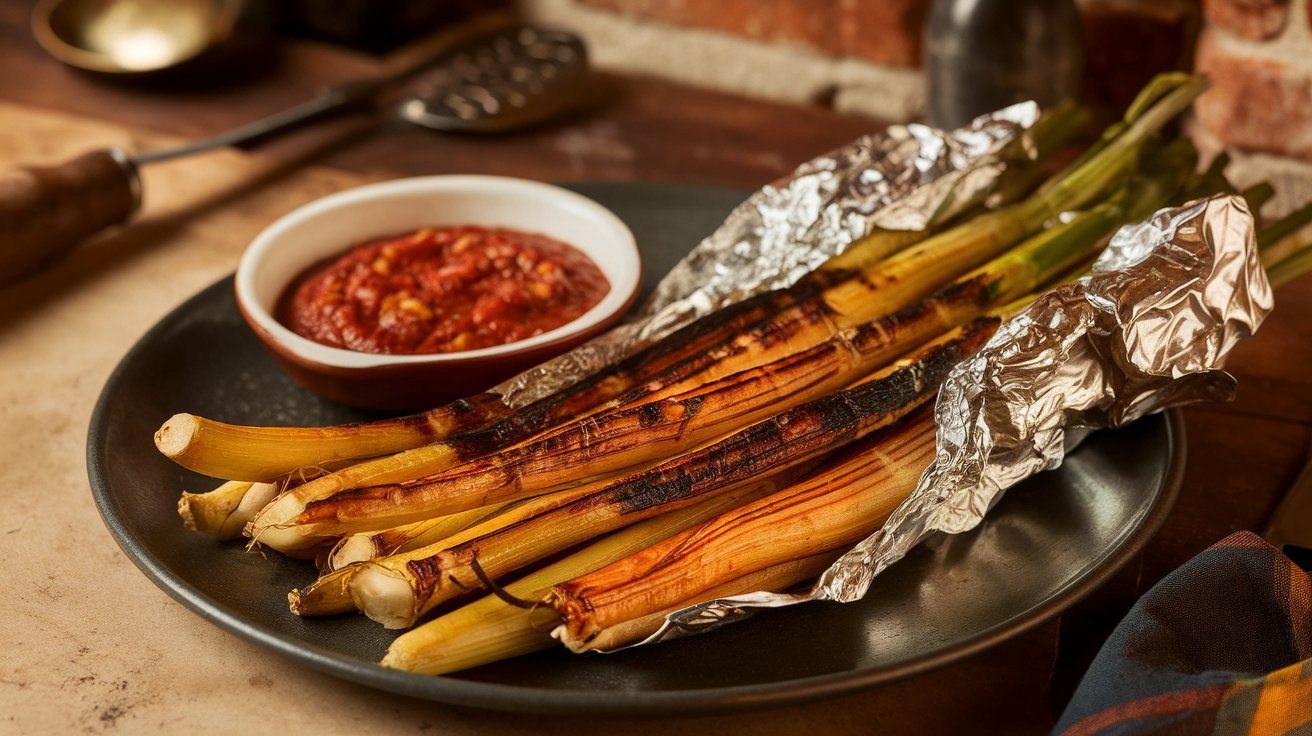
If you’re searching for the “best Calçots with Romesco near me,” you’re looking for one of the most iconic dishes in Catalan cuisine. Calçots are sweet, tender green onions traditionally grilled over an open flame until their outer layers become charred and smoky. They are served with Romesco sauce, a rich blend of roasted tomatoes, almonds, hazelnuts, garlic, olive oil, and peppers that perfectly complements the natural sweetness of the onions.

As authentic Spanish regional cuisine continues to gain worldwide popularity in 2026, more Spanish restaurants, Catalan eateries, and Mediterranean bistros are featuring Calçots with Romesco on seasonal menus. Whether you’re experiencing this famous dish for the first time or searching for an authentic restaurant nearby, this complete guide covers everything you need to know about finding the best Calçots with Romesco near you.

What Are Calçots with Romesco?

Calçots are a special variety of green onion traditionally grown in Catalonia, Spain. Larger and milder than regular green onions, they are harvested during the cooler months and grilled over hot coals until the outer layers are blackened while the inside becomes incredibly tender and naturally sweet.

Once cooked, the charred outer layer is peeled away, revealing the soft center, which is dipped generously into Romesco sauce before eating.

Traditional ingredients include:

  • Fresh Calçots (Catalan green onions)
  • Extra virgin olive oil
  • Sea salt
  • Fresh parsley (optional garnish)

Authentic Romesco sauce typically contains:

  • Roasted tomatoes
  • Roasted garlic
  • Almonds
  • Hazelnuts
  • Dried ñora peppers or roasted red peppers
  • Extra virgin olive oil
  • Red wine vinegar
  • Rustic bread
  • Salt and black pepper

The combination creates one of Spain’s most celebrated traditional dishes.

Why Calçots with Romesco Are So Popular in 2026

The growing appreciation for authentic regional cuisine has made Calçots with Romesco increasingly popular among food lovers worldwide.

Reasons for its continued popularity include:

  • Authentic Catalan culinary tradition
  • Simple, high-quality ingredients
  • Naturally smoky and sweet flavor
  • Fresh homemade Romesco sauce
  • Interactive and memorable dining experience
  • Perfect for seasonal celebrations

The dish is especially famous during the annual Calçotada, a traditional Catalan gathering where friends and families enjoy grilled calçots together.

Its combination of rustic cooking and vibrant flavors continues to attract travelers and culinary enthusiasts alike.

How to Find the Best Calçots with Romesco Near Me

Finding authentic Calçots with Romesco may require visiting restaurants specializing in Spanish regional cuisine, especially during the calçot season.

Catalan Restaurants

Restaurants focusing on Catalan specialties are the best place to enjoy authentic Calçots.

Look for menus featuring:

  • Catalan cuisine
  • Traditional Spanish dishes
  • Regional specialties
  • Seasonal tasting menus

Spanish Restaurants

Many Spanish restaurants offer Calçots during late winter and early spring when the vegetables are in season.

Mediterranean Restaurants

Some Mediterranean restaurants include grilled seasonal vegetables served with homemade Romesco sauce.

Food Festivals and Seasonal Events

Many Spanish cultural festivals celebrate Calçotada with authentic grilled calçots and freshly prepared Romesco sauce.

These events often provide one of the most authentic dining experiences outside Spain.

What Makes Authentic Calçots with Romesco Special?

Authentic Calçots with Romesco stand out because of traditional preparation methods and premium ingredients.

Fresh Seasonal Calçots

True calçots are harvested during the winter growing season and have a naturally mild, sweet flavor.

Open-Flame Grilling

Traditional grilling over wood or charcoal gives the onions their distinctive smoky aroma.

Homemade Romesco Sauce

Freshly prepared Romesco uses roasted vegetables, nuts, and olive oil instead of processed ingredients.

Premium Olive Oil

High-quality extra virgin olive oil enhances both the grilled onions and the sauce.

Traditional Serving Style

Authentic restaurants often serve calçots wrapped in paper or cloth to keep them warm until they reach the table.

The Tradition of the Catalan Calçotada

One of the reasons Calçots with Romesco remain so famous is their connection to the annual Calçotada festival.

A Calçotada is more than a meal—it is a cherished social gathering centered around freshly grilled calçots.

Traditional Calçotadas often include:

  • Grilled calçots
  • Homemade Romesco sauce
  • Grilled lamb
  • Spanish sausages
  • Artisan bread
  • Local wines
  • Catalan desserts

Guests traditionally peel the charred outer layer with their hands, dip the tender onion into Romesco sauce, and eat it whole from top to bottom.

This interactive dining experience is one of the most enjoyable culinary traditions in Spain.

How to Choose the Best Calçots with Romesco Near You

When searching for the best Calçots with Romesco near me, keep these factors in mind.

Seasonal Availability

Fresh calçots are generally available from late autumn through early spring.

Authentic Catalan Menu

Restaurants specializing in Catalan cuisine are more likely to follow traditional recipes.

Homemade Romesco Sauce

Freshly prepared Romesco should have a balanced texture with roasted vegetables and premium nuts.

Excellent Customer Reviews

Look for reviews mentioning:

  • Sweet, tender calçots
  • Authentic smoky flavor
  • Fresh Romesco sauce
  • Traditional preparation
  • Friendly service

Wood-Fired or Charcoal Grilling

Restaurants using traditional grilling methods often deliver the most authentic flavor.

Best Dishes to Pair with Calçots with Romesco

Although delicious on their own, Calçots pair wonderfully with other Spanish specialties.

Popular accompaniments include:

  • Grilled lamb chops
  • Spanish chorizo
  • Butifarra sausage
  • Grilled chicken
  • Roasted potatoes
  • Pa amb tomàquet (Catalan tomato bread)
  • Mixed green salad
  • Grilled vegetables
  • Manchego cheese
  • Olives

These dishes create a complete Catalan-inspired dining experience.

Tips for Ordering the Best Calçots with Romesco

For the most authentic experience, consider these recommendations:

  • Visit during calçot season for the freshest harvest.
  • Choose restaurants specializing in Catalan cuisine.
  • Ask if the Romesco sauce is prepared in-house.
  • Look for restaurants using charcoal or wood-fired grills.
  • Reserve early during seasonal festivals.
  • Read recent customer reviews before visiting.
  • Try the complete Calçotada menu when available.

These simple tips can help you enjoy the authentic flavors of Catalonia.

Frequently Asked Questions

What are Calçots?

Calçots are traditional Catalan green onions that are grilled until tender and served with Romesco sauce.

What is Romesco sauce made from?

Authentic Romesco sauce contains roasted tomatoes, garlic, almonds, hazelnuts, roasted peppers, olive oil, bread, vinegar, and seasonings.

Where can I find the best Calçots with Romesco near me?

You can usually find them at Catalan restaurants, Spanish restaurants, Mediterranean bistros, Spanish food festivals, and seasonal culinary events.

When are Calçots in season?

Calçots are typically harvested from late autumn through early spring, with peak season often occurring between January and March.

Are Calçots vegetarian?

Yes. Traditional Calçots with Romesco are vegetarian, although they are often served alongside grilled meats during a Calçotada.

Conclusion

Finding the best Calçots with Romesco near me is an excellent way to experience one of the most treasured traditions in Catalan cuisine. Whether you enjoy them at an authentic Catalan restaurant, a Spanish bistro, a Mediterranean eatery, or a seasonal food festival, Calçots with Romesco offer an unforgettable combination of sweet flame-grilled onions, smoky aromas, and rich, nutty Romesco sauce. By choosing restaurants that emphasize seasonal ingredients, traditional charcoal grilling, and homemade sauces, you can enjoy an authentic taste of Catalonia. In 2026, Calçots with Romesco continue to captivate food lovers around the world with their unique preparation, vibrant flavors, and deep cultural heritage, making them a must-try dish for anyone exploring Spanish regional cuisine.
Continue Reading

Food

Microwey: Meaning, Uses, Technology, Safety, and What You Should Know in 2026

Published

on

Microwey

Microwey is an unusual term that has appeared more frequently in online searches and articles during 2026. Because the word looks and sounds very similar to microwave, many people naturally wonder whether Microwey is a new appliance, a technology, a brand, or simply another spelling of a familiar kitchen term.

Based on the information currently available, the safest interpretation is that Microwey is mainly an alternative spelling or search variation associated with microwave ovens and microwave cooking. It is not currently established as a separate appliance category or universally recognized technical standard. Some newer websites use Microwey to describe ideas such as smart cooking, connected appliances, or advanced microwave features, but those descriptions should be separated from the established meaning of a microwave oven.

What Does Microwey Mean?

The simplest answer is that Microwey generally points toward “microwave.” The spelling may appear because of typing mistakes, voice-to-text input, pronunciation-based spelling, or users simply being unsure about the correct spelling. Search engines frequently encounter variations of common words, and an unusual spelling can develop its own search presence when people repeatedly use it online.

Recent publications examining the term do not identify a consistent technical definition for Microwey. Instead, several connect it directly with microwave ovens, microwave cooking, kitchen appliances, and related technology. Another group of websites has attempted to give the term broader meanings, including smart-kitchen concepts and digital technology ideas. Because those definitions are inconsistent, context is important when interpreting the word.

For someone looking for a kitchen appliance, searching for microwave oven will generally provide clearer and more established information than searching only for Microwey.

Is Microwey a Brand or a New Appliance?

One of the most common questions is whether Microwey is a specific brand. Current information does not provide strong evidence that Microwey is a major established appliance manufacturer with a clearly documented product range, model numbers, warranty system, and technical documentation.

Some online articles describe Microwey as a modern or smart microwave concept, but that is different from proving that a particular company sells products under the Microwey name. A genuine appliance brand normally has identifiable manufacturers, official product pages, model specifications, manuals, customer-support information, and safety documentation.

This distinction is particularly important for consumers. If a website claims that a particular product is an official “Microwey,” shoppers should look for the manufacturer, exact model number, warranty information, safety certification, and independent product information rather than relying on the keyword alone. Recent sources similarly caution that the spelling itself does not establish a specific brand or product category.

How Is Microwey Connected to Smart Kitchen Technology?

Although Microwey is not established as a separate technical standard, some recent online discussions use the word in connection with smart microwave technology. This interpretation is understandable because modern microwave ovens have developed well beyond simple manual heating.

Depending on the model, modern appliances may include sensor cooking, automatic programs, variable power levels, convection functions, preset menus, child-lock systems, and connected controls. Some advanced appliances can also integrate with broader smart-home ecosystems.

However, these features belong to particular microwave products and technologies. They should not automatically be attributed to every appliance or website using the word Microwey.

This distinction prevents a common misunderstanding: a smart microwave exists, but that does not prove that “Microwey” is the official name for smart microwave technology. Current sources that describe Microwey as a smart concept generally acknowledge that the term does not have a standardized definition.

What Can a Microwave Do?

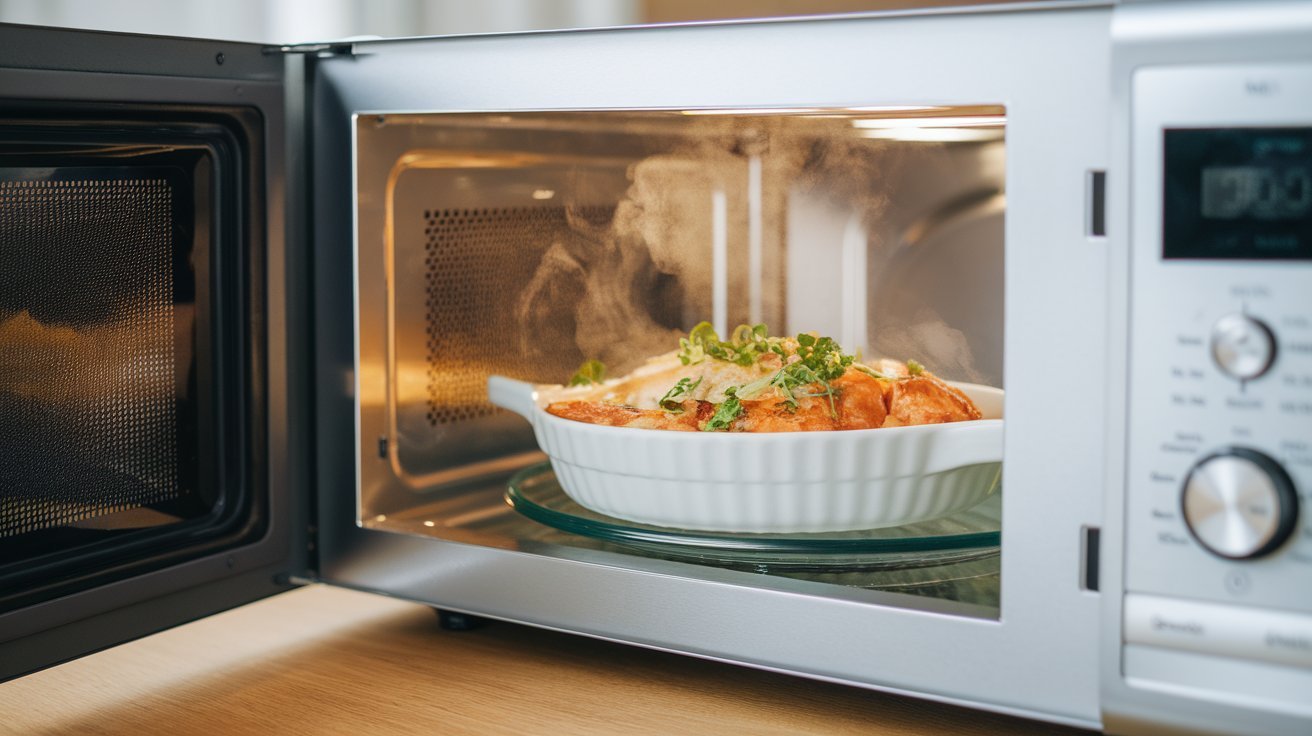
If Microwey is being used to refer to a microwave oven, its practical uses are familiar. A microwave uses electromagnetic energy to heat food and beverages. It is particularly useful for reheating leftovers, defrosting suitable foods, warming drinks, and preparing certain meals.

One of its biggest advantages is speed. Instead of preheating a large conventional oven, users can often heat a small or medium portion directly in a microwave. This makes the appliance convenient for busy households, workplaces, students, and anyone who regularly prepares individual portions.

Microwave cooking also has limitations. A standard microwave does not produce the same browning and crisping effect as a conventional oven, grill, or frying pan. Foods can also heat unevenly, particularly when they are thick, dense, frozen, or irregularly shaped. Stirring, rotating, covering food appropriately, and allowing a short standing time can help distribute heat more evenly.

Microwey, Microwave Safety, and Smart Buying

Whether you call it Microwey or microwave, food and appliance safety should remain the priority. Users should follow the manufacturer’s instructions and use containers that are specifically suitable for microwave heating.

Particular care is needed with hot liquids. Water and other liquids can sometimes become superheated, meaning they can become extremely hot without showing obvious signs of boiling. Handling or disturbing such liquids can cause sudden splashing and burns. Recent microwave guidance highlights the importance of following manufacturer instructions when heating liquids.

It is also sensible to avoid putting unsuitable materials into a microwave. Metal objects and containers not designed for microwave use can create safety problems. Food should be heated according to appropriate instructions, and users should take care when removing containers because steam and surfaces can become very hot.

If you are shopping for a microwave that a website calls Microwey, focus on the actual specifications. Check the appliance’s capacity, power level, cooking programs, dimensions, warranty, safety information, and manufacturer. A catchy name should never replace proper product verification.

Why Is Microwey Becoming a Search Term in 2026?

The growing interest in Microwey appears to be connected partly to the way unusual keywords spread online. Once people encounter a strange spelling, they may search for it to determine whether it represents a new product or technology. Publishers then create articles explaining the term, which can give the keyword a larger online presence.

Some recent articles describe Microwey as a spelling variation of microwave, while others expand it into smart cooking or digital technology concepts. One source even discusses Microwey as a broader technology idea unrelated to kitchen appliances. These conflicting definitions demonstrate why readers should examine the evidence behind a claim rather than assuming every online explanation refers to the same thing.

The most consistent connection remains the ordinary word microwave. Until an identifiable company or recognized technical organization establishes Microwey as a distinct product or technology, it is more accurate to treat it as an ambiguous online term.

Final Thoughts on Microwey

Microwey is best understood in 2026 as an unusual online term most closely associated with microwave ovens and microwave cooking. It may simply be an alternative spelling, typing variation, or search expression. Some newer websites use it to describe smart-kitchen concepts, advanced microwave functions, or even unrelated digital ideas, but these meanings are not consistently established.

For consumers, the practical lesson is straightforward: do not assume that Microwey automatically means a specific brand, appliance, or revolutionary technology. If a particular product is being marketed under the name, verify the manufacturer, model, specifications, warranty, and safety documentation before making a purchase.

Frequently Asked Questions About Microwey

Is Microwey the same as microwave?
In most kitchen-related searches, Microwey appears to be a spelling or search variation of microwave rather than a separate cooking technology.

Is Microwey an official appliance brand?
There is currently insufficient reliable evidence to establish Microwey as a widely recognized microwave manufacturer or standardized appliance brand.

Is Microwey a smart microwave?
Some online articles use the term in connection with smart microwave concepts, but there is no established definition requiring a Microwey product to include AI, Wi-Fi, sensors, or automated cooking.

What is a microwave mainly used for?
Microwave ovens are commonly used for heating, reheating, defrosting, and cooking suitable foods quickly.

Why does Microwey appear online?
It can appear as an unusual spelling, search variation, or informal term related to microwave technology. The exact reason depends on the context in which the word is encountered.

Should you buy a product advertised as Microwey?
Before buying, verify the actual manufacturer, model number, specifications, warranty, safety information, and independent product details. The name alone is not enough to establish what a product is.

Is Microwey a new invention?
There is no strong evidence that Microwey itself represents a newly invented cooking technology. The established technology behind microwave ovens has a much longer history, while the Microwey spelling is a newer online phenomenon.
Continue Reading

Food

Supermaked: Meaning, Spelling, Website, and Modern Grocery Shopping in 2026

Published

on

Supermaked

Supermaked is an unusual term that looks immediately familiar because it closely resembles the established English word “supermarket.” In 2026, the keyword appears in several different online contexts. Some people use it as an apparent spelling variation of supermarket, while Supermaked.com deliberately uses the term as a name associated with grocery shopping, local markets, convenience, and modern retail. Other recent articles describe supermaked as an informal concept connected with technology-supported grocery shopping.

This makes supermaked an ambiguous keyword rather than a term with one universally accepted definition. The standard English word remains supermarket, meaning a large or self-service retail store selling food and household products. Supermaked, by comparison, does not have the same established dictionary status.

Understanding that distinction is important. Someone searching supermaked may simply have made a typing mistake, may be looking for the specific website using the name, or may be interested in the modern grocery-retail concept described by recent online articles.

What Does Supermaked Mean?

The simplest answer is that Supermaked has no single universally accepted meaning. Current online usage shows at least three different interpretations.

First, it can function as a spelling variation of “supermarket.” If someone writes, “I went to the supermaked to buy groceries,” the most reasonable interpretation is that they intended to write supermarket. Several recent explanations describe this as the most common interpretation of the unusual spelling.

Second, Supermaked is used intentionally as an online name. Supermaked.com is an active website that presents the name in connection with local grocery stores and modern markets. Its own description connects the term with groceries, fresh produce, household essentials, convenience, and community-oriented shopping.

Third, some websites use supermaked as an informal modern-retail concept, connecting it with digital tools, convenient store layouts, online ordering, improved inventory management, and faster checkout. These descriptions are useful for understanding current online usage, but they should not automatically be treated as proof that Supermaked is an established industry category.

The safest interpretation therefore depends on context.

Supermaked vs. Supermarket: What Is the Difference?

The spelling difference between supermaked and supermarket is small, but their status is quite different.

A supermarket is an established English word. It normally refers to a large self-service store where customers can purchase food, beverages, household goods, personal-care products, and other everyday items.

Supermaked, on the other hand, is not the standard English spelling of that word. It may be a typo, an intentionally created name, or an informal online expression.

TermMeaning or use
SupermarketEstablished English word for a grocery and household-goods retailer
SupermakedUnusual spelling, online name, or informal retail-related expression
Grocery storeGeneral term for a store selling food and everyday household products
SupermarkedDanish/Norwegian word corresponding to “supermarket”

The difference is especially important when searching online. A person who types supermaked into Google may expect information about an ordinary supermarket, while another person may specifically be searching for Supermaked.com.

We should therefore avoid automatically “correcting” the term when it is being used as a proper name. A deliberately chosen website or brand name can use unusual spelling without being a spelling mistake.

Supermaked as a Modern Grocery Retail Concept

Some 2026 articles use supermaked to describe a broader approach to grocery shopping focused on convenience, accessibility, digital services, and customer experience. Supermaked.com itself presents the term as a modern local-market idea that combines supermarket-style product selection with convenience and community-focused shopping.

Under this interpretation, the concept goes beyond simply selling groceries. It emphasizes how customers shop.

A modern grocery environment may include:

  • Organized product sections that make everyday items easier to find.
  • Fresh produce and food selections for routine household shopping.
  • Digital ordering for customers who prefer shopping online.
  • Faster checkout options designed to reduce waiting.
  • Inventory technology that helps retailers monitor product availability.
  • Personalized recommendations based on shopping behavior in services where such technology is actually implemented.
  • Flexible shopping options, combining physical stores with digital purchasing.

These technologies are not exclusive to something called Supermaked. They are already part of the broader evolution of grocery retail. The term is better understood as an online expression for a modern, convenience-oriented retail experience rather than as proof of a completely new supermarket technology.

This distinction matters because several websites now describe supermaked in similar language, but repeating a claim across multiple articles does not independently establish that the term represents a formally recognized retail model.

What Can We Expect From a Supermaked-Style Store?

When Supermaked is used to describe a grocery-shopping experience, the emphasis is generally on convenience and accessibility.

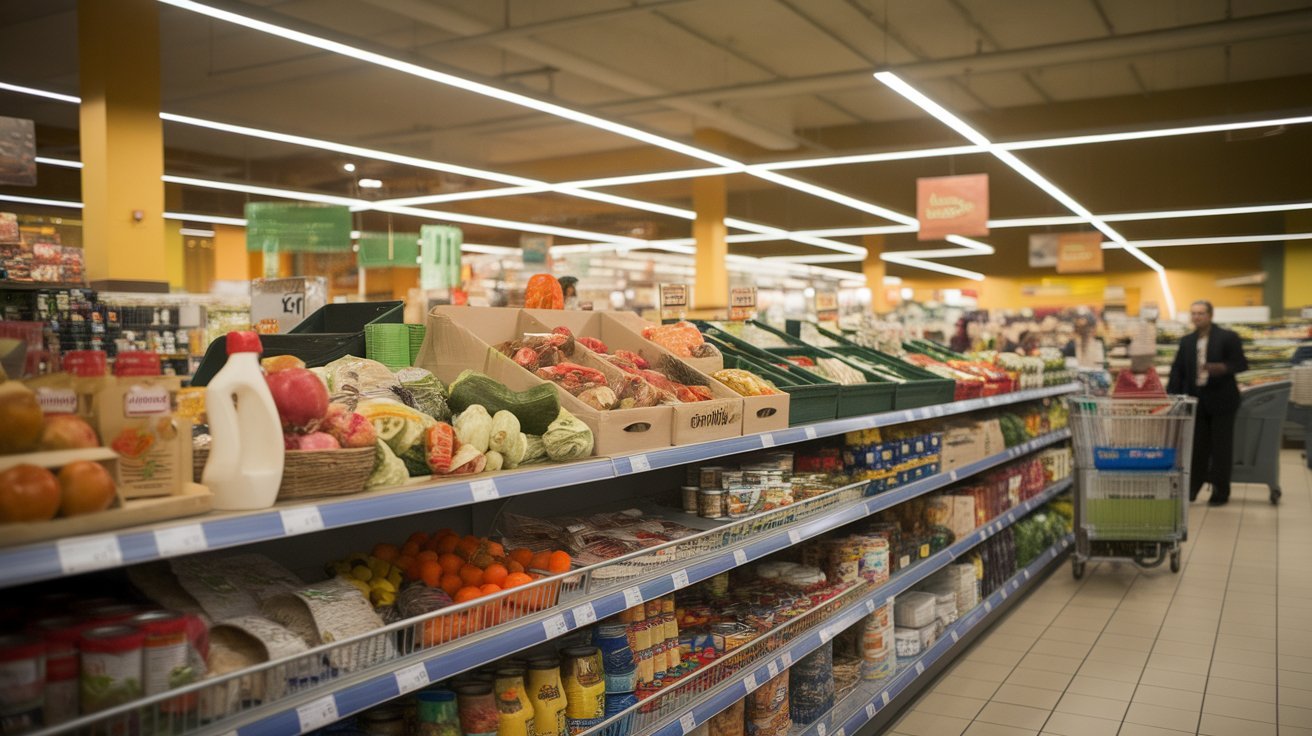
A shopper entering a supermarket-style local market expects to find essential products without having to visit several different stores. Typical categories can include fresh fruits and vegetables, dairy products, beverages, packaged foods, snacks, cleaning supplies, personal-care products, and household essentials. Supermaked.com’s own description presents a similar product range.

Store organization also matters. Clear aisles, readable labels, sensible product placement, and straightforward checkout can make everyday shopping faster and less stressful.

A smaller local store may provide a different experience from a massive supermarket chain. A neighborhood-oriented market can emphasize proximity, familiar service, and convenience, while a large supermarket may provide a wider selection and greater purchasing scale.

The best format depends on the shopper’s needs. Someone making a quick purchase may value a nearby local market, while someone completing a large weekly grocery trip may prefer a larger supermarket with extensive inventory.

Digital Technology and the Future of Supermaked Shopping

Technology is becoming increasingly important in grocery retail. Online ordering, digital payments, self-checkout, electronic inventory systems, delivery services, and mobile shopping tools are changing how consumers purchase everyday products.

This technological development is one reason some websites connect Supermaked with the future of grocery shopping. Current articles describe concepts such as improved stock management, digital tools, flexible purchasing, and faster checkout as parts of a more customer-centered retail experience.

However, we should distinguish established retail technology from claims specifically attributed to Supermaked. Digital checkout existed before the term became visible online, and online grocery ordering is already used by many retailers around the world.

The more useful way to understand the concept is to see supermaked as a label that reflects several established retail trends:

Convenience + digital access + efficient stores + product availability + customer-focused service.

Together, these elements describe the direction in which grocery retail has been developing.

Is Supermaked a Real Company or Store Chain?

This is where the keyword requires particular care. Supermaked.com is an active website using the name, but the existence of a website does not by itself establish that Supermaked is a large supermarket chain, a registered international retailer, or a widespread physical-store network.

Some recent articles make broader claims about Supermaked as a grocery brand or retail trend, while other investigations point out that they cannot identify specific stores, addresses, or independent business records supporting those claims.

For this reason, readers should distinguish between what the Supermaked website says about itself and independently verifiable evidence about physical stores, locations, ownership, or commercial operations.

If someone wants to visit a Supermaked store, the practical approach is to verify the exact website, address, business listing, and current operating information rather than relying on a general article.

Frequently Asked Questions About Supermaked

Is Supermaked a real word?

Supermaked is not the standard English word for a grocery store. It is an unusual online term that can function as a spelling variation, intentional name, or informal retail concept.

Is Supermaked the same as supermarket?

Not exactly. Supermarket is the established English word. Supermaked is a different spelling that may be used intentionally online or may simply be a typing mistake.

What is Supermaked.com?

Supermaked.com is an active website using Supermaked as its name and presenting the term in connection with modern local grocery shopping and markets.

Is Supermaked a supermarket chain?

There is not enough independent evidence to establish Supermaked as a large, widely recognized supermarket chain. Online descriptions of the name vary, so specific business claims should be verified individually.

Why is Supermaked appearing in searches?

The term is visually similar to supermarket, while the name is also being used intentionally online. This combination can create search interest and uncertainty about whether the word is a typo, brand name, or retail concept.

What is the correct spelling for an ordinary grocery store?

The standard English spelling is supermarket.

Conclusion

Supermaked is an unusual but increasingly visible online term in 2026. Its meaning depends on context. In ordinary English, it may simply be a misspelling of supermarket. In other contexts, Supermaked is an intentional website name or a broader expression associated online with modern grocery shopping, local markets, convenience, and digital retail.

The distinction between the established word supermarket and the newer, less standardized term supermaked is the key to understanding the search query. We should not assume that every mention refers to the same business or concept.

For shoppers, the most important factors remain straightforward: product selection, price, convenience, availability, store location, payment options, service quality, and trustworthy business information. As grocery retail continues to combine physical stores with digital technology, terms such as Supermaked may continue to appear in discussions about how people shop for everyday essentials.

Ultimately, context is what gives “supermaked” its meaning. It can be a typo, a deliberately chosen online name, or an informal description of modern supermarket-style retail—and recognizing those differences makes the term much easier to understand.

Continue Reading

Food

Mangalitsa Pork: A Complete Guide to the Breed, Flavor, Cooking, Nutrition, and Buying in 2026

Published

on

Mangalitsa pork

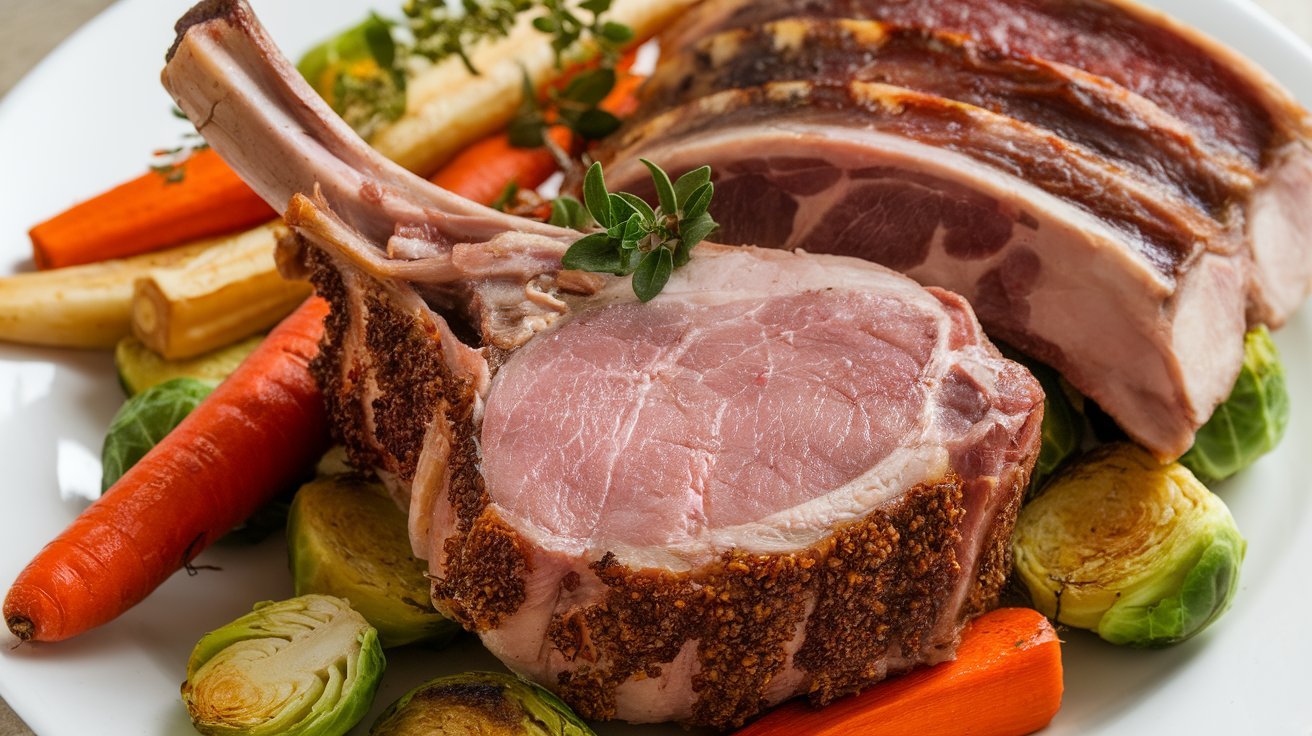
Mangalitsa pork, also spelled Mangalica pork, comes from the distinctive Mangalitsa pig, a heritage breed recognized for its characteristic curly coat and exceptionally rich meat. Unlike conventional lean pork, Mangalitsa is known for abundant intramuscular fat, a creamy texture, and a deep flavor that makes it particularly popular for specialty cuts, cured meats, sausages, and premium charcuterie.

In 2026, interest in Mangalitsa continues to grow among chefs, home cooks, farmers, and consumers interested in heritage-breed pork. The breed’s history, unusual appearance, slow growth, and high-fat meat distinguish it from modern commercial pig breeds. Understanding those characteristics helps explain both the culinary appeal and the relatively high price of Mangalitsa pork.

What Is Mangalitsa Pork?

Mangalitsa pork comes from the Mangalitsa, a heritage pig breed originating in the Austro-Hungarian region during the 19th century. The breed is particularly recognizable because of its dense, curly hair, which can make the pigs look somewhat like sheep.

Mangalitsa is commonly associated with three traditional color varieties: Blonde, Red, and Swallow-Bellied. The Blonde variety is generally the most familiar, while the Red variety has a reddish-brown coat. Swallow-Bellied Mangalitsa combines a darker upper body with lighter coloring underneath.

The breed is unusual compared with modern commercial pigs because it naturally develops substantial amounts of fat. Modern pork production has generally emphasized leaner animals and efficient growth, whereas Mangalitsa has retained characteristics associated with older European heritage breeds.

The result is meat with a very different fat-to-lean balance. Rather than being valued primarily for leanness, Mangalitsa is prized for its marbling, richness, tenderness, and distinctive flavor.

Why Is Mangalitsa Pork So Special?

The defining feature of Mangalitsa pork is its fat quality and distribution. The meat can contain considerable intramuscular fat, which contributes to a buttery mouthfeel and rich flavor when properly cooked.

This characteristic is particularly important for cured products. Mangalitsa fat has traditionally been valued for products such as ham, salami, lardo, sausage, and other charcuterie. The fat contributes both texture and flavor, making the breed attractive to producers specializing in artisanal meat.

Mangalitsa is also generally raised more slowly than intensive commercial pigs. The longer production period allows the animals to develop the fat and muscle characteristics for which the breed is known.

That slower growth contributes to another defining characteristic: Mangalitsa pork is usually more expensive than ordinary supermarket pork. Farmers need additional time, feed, land, and management to produce the finished animal.

For consumers, the price reflects not simply the name of the breed but also the production system, limited supply, processing, and specialty-market positioning.

What Does Mangalitsa Pork Taste Like?

People who try Mangalitsa pork often notice that it tastes substantially richer than lean commercial pork. The high level of fat gives the meat a luxurious texture, while the flavor can be described as deep, savory, nutty, and intensely pork-like.

The exact flavor depends on the cut, animal, age, diet, processing method, and cooking technique. Cured Mangalitsa products can have particularly complex flavors because the fat carries aromatic compounds and changes during aging.

A Mangalitsa pork chop, for example, can behave differently from a lean pork chop. Rather than aggressively trimming away all visible fat, cooks often leave some of it intact because rendering fat during cooking helps keep the meat moist and contributes flavor.

Mangalitsa also works particularly well with slow cooking and dry curing, although high-quality fresh cuts can be prepared using conventional grilling, roasting, or pan-searing techniques.

How to Cook Mangalitsa Pork

Cooking Mangalitsa pork requires an understanding of its unusually rich fat content. The objective is generally to render enough fat to develop flavor without drying out the lean portion.

For a thick Mangalitsa chop, allowing the meat to come closer to room temperature before cooking can promote more even heating. A hot pan or grill can then be used to develop a flavorful browned exterior. Because the fat can render quickly, moderate heat may be preferable after the initial sear.

Slow roasting is another excellent option for larger cuts. Low-temperature cooking gives connective tissue time to soften while allowing fat to render gradually. The result can be particularly tender and flavorful.

Mangalitsa is also well suited to braising. Cuts containing connective tissue can be cooked slowly with stock, wine, vegetables, herbs, or other aromatics.

For food safety, pork should always be cooked according to appropriate internal-temperature guidance rather than judged solely by color. The USDA recommends cooking whole cuts of pork to a minimum internal temperature of 145°F (62.8°C) followed by a three-minute rest. Ground pork should reach 160°F (71.1°C). (fsis.usda.gov)

Mangalitsa Pork Nutrition and Fat Content

The nutritional profile of Mangalitsa pork can differ substantially depending on the specific cut and how the animal was raised. Its most obvious characteristic is its relatively high fat content.

Fat provides approximately 9 calories per gram, compared with approximately 4 calories per gram for protein and carbohydrates. Consequently, a fatty pork cut can contain significantly more calories than a lean pork cut of the same weight.

This does not mean Mangalitsa should automatically be considered unhealthy or unhealthy for every diet. Rather, it means consumers should recognize that Mangalitsa is a rich meat, and portion size matters.

The nutritional composition also varies between fresh meat and processed products. Mangalitsa salami, bacon, sausage, and cured ham may contain additional sodium and other ingredients, so their nutritional profiles cannot be assumed to match those of fresh Mangalitsa cuts.

For people monitoring dietary fat, sodium, or calorie intake, checking the nutrition information for the specific product is the most reliable approach.

Mangalitsa Pork vs. Regular Pork

The difference between Mangalitsa and conventional pork is primarily related to genetics, production practices, fat content, and texture.

Commercial pork production commonly focuses on efficient growth and relatively lean meat. Mangalitsa, by contrast, is a heritage breed traditionally valued for its fat and flavor.

FeatureMangalitsa PorkConventional Pork
Breed typeHeritageModern commercial breeds
Fat contentGenerally highOften leaner
FlavorRich and pronouncedGenerally milder
GrowthRelatively slowGenerally faster
Common specialty useCharcuterie and premium cutsBroad range of products
PriceOften premiumUsually more affordable

Neither category represents a single uniform product. Farming methods, feed, genetics, age, and processing can create significant variation within both groups.

The major culinary distinction is that Mangalitsa celebrates fat as part of the eating experience, whereas many modern pork products are designed around lean meat.

Where to Buy Mangalitsa Pork in 2026

Because Mangalitsa remains a specialty breed, availability can be more limited than ordinary pork. Consumers may find it through specialty butchers, heritage-meat farms, farmers’ markets, gourmet food retailers, restaurants, and online meat suppliers.

When buying Mangalitsa, shoppers should look beyond marketing language. A reputable seller should be able to explain the breed, origin, farming practices, processing method, and cut.

If purchasing packaged meat, look for clear labeling identifying the product as Mangalitsa or Mangalica pork. Some products may use the breed name prominently while providing little information about sourcing.

Price can vary considerably depending on whether the product is fresh or cured and whether it comes from a small specialty producer. Cured Mangalitsa products can command particularly high prices because the production process requires both premium raw material and additional aging or processing.

Why Mangalitsa Pork Remains Popular in 2026

The popularity of Mangalitsa pork reflects a broader interest in heritage breeds, traditional agriculture, artisanal food, and distinctive culinary experiences. Consumers who seek foods with identifiable origins often appreciate the breed’s long history and unusual characteristics.

Chefs value Mangalitsa because its high-quality fat and rich flavor can transform relatively simple dishes. A well-prepared chop requires little more than seasoning and careful cooking, while the same pork can become an exceptional ingredient in charcuterie.

The breed also has cultural importance. Maintaining heritage livestock breeds helps preserve genetic diversity and traditional agricultural practices, although individual farms vary considerably in how they raise their animals.

For consumers, Mangalitsa offers an opportunity to experience pork differently: not as an ultra-lean protein, but as a richly marbled meat in which fat, texture, flavor, and traditional production are central to the product.

Final Thoughts on Mangalitsa Pork

Mangalitsa pork stands apart from conventional pork because of its heritage genetics, distinctive curly-coated pigs, abundant fat, and rich culinary character. Its naturally high-fat meat makes it particularly suitable for premium fresh cuts, cured ham, sausage, salami, and specialty charcuterie.

The same characteristics that make Mangalitsa desirable also explain its higher price and different cooking requirements. Properly prepared, the meat can deliver a buttery texture, intense pork flavor, and exceptional richness that appeals to chefs and food enthusiasts.

In 2026, Mangalitsa remains a specialty choice rather than an everyday supermarket staple. For consumers interested in heritage foods and premium pork, understanding the breed’s characteristics, sourcing, nutrition, and cooking methods makes it easier to appreciate what makes this unusual pork so distinctive.

Continue Reading

Trending