Entertainment
Buzz Lightyear Astro Blasters: Complete Guide, Ride Experience, History, and 2026 Visitor Information

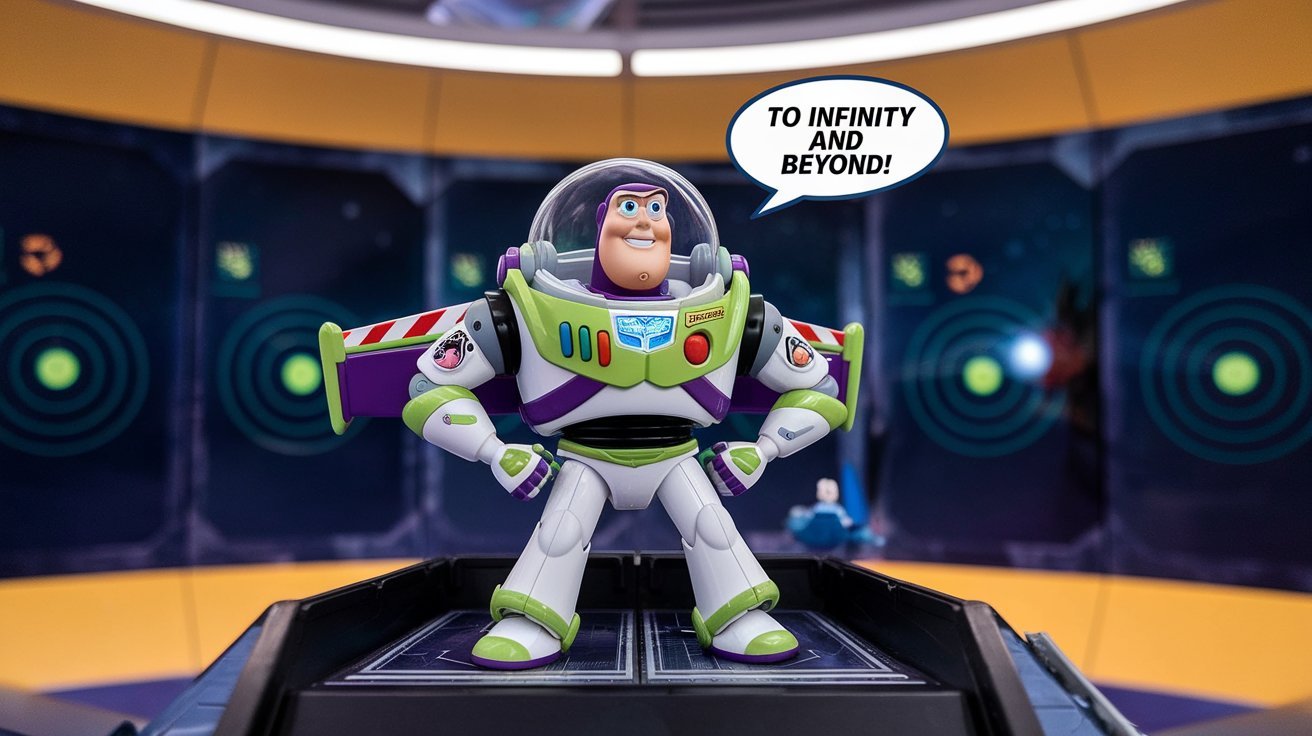
Buzz Lightyear Astro Blasters is one of the most recognizable interactive attractions inspired by Disney and Pixar’s Toy Story universe. Rather than simply watching a story unfold, guests become part of Buzz Lightyear’s mission by entering a space cruiser, aiming laser cannons, and helping defeat the evil Emperor Zurg. The attraction combines a family-friendly dark ride with an arcade-style scoring system, making every ride an opportunity to improve on a previous score.
At Disneyland Park, Buzz Lightyear Astro Blasters is located in Tomorrowland and is officially described as an indoor, interactive attraction suitable for guests of all ages and any height. In 2026, it remains particularly appealing to families, Toy Story fans, and competitive riders who enjoy attractions where skill can influence the experience.
What Is Buzz Lightyear Astro Blasters?
Buzz Lightyear Astro Blasters is an interactive space-themed dark ride based on Buzz Lightyear and the world established by Toy Story. The attraction places riders directly into Buzz’s battle against Emperor Zurg and his robotic forces.
The basic objective is simple: enter the mission, locate glowing targets, fire the onboard laser, and collect as many points as possible. Disneyland describes the attraction as a mission in which Buzz needs help stopping Zurg from stealing batteries for a destructive weapon. Guests travel through the fictional Gamma Quadrant while attempting to defeat Zurg’s forces.
This interactive format is what separates the attraction from a traditional Disney dark ride. Instead of being passive passengers, riders have a task to complete. The result is a combination of storytelling, shooting-game mechanics, and amusement-park ride technology.
The attraction is also accessible to a broad audience. Disneyland currently lists it as Any Height and suitable for All Ages, although guests must follow the attraction’s safety and boarding requirements.
How the Buzz Lightyear Astro Blasters Ride Works
The experience begins when guests board an XP-40 space cruiser. Each cruiser places riders inside Buzz Lightyear’s futuristic battle environment, where the mission is to help defeat Zurg.
One of the most entertaining features is the vehicle’s joystick, which allows riders to rotate the cruiser through a full 360 degrees. This means one group can face a target while another rider turns the vehicle toward something happening elsewhere in the scene. Disneyland specifically highlights the ability to spin the cruiser while firing at illuminated “Z” targets.
The laser cannon is used throughout the mission. Riders aim at targets and press the firing mechanism to accumulate points. Because the targets are positioned throughout the ride environment, paying attention to the scenery can make a substantial difference.
This gives the attraction a replayable quality. On the first ride, visitors may simply concentrate on understanding the controls and enjoying the story. On subsequent rides, they can concentrate more heavily on accuracy and scoring.
The experience is therefore particularly enjoyable for families because younger riders can participate while experienced players can attempt to master the attraction.
Scoring, Ranks, and Becoming a Galactic Hero
The scoring system is one of the most memorable parts of Buzz Lightyear Astro Blasters. An electronic dashboard inside the space cruiser tracks the rider’s score during the mission. At the end, riders can see the ranking they achieved.
Disneyland identifies Space Cadet as the lowest rank and Galactic Hero as the highest.
That ranking system creates an additional challenge beyond simply completing the ride. Two people can experience exactly the same attraction but have completely different goals. One rider may be happy to enjoy the scenes, while another may spend the entire mission looking for high-value targets.
For competitive visitors, this turns Buzz Lightyear Astro Blasters into a repeatable game. Improving a score can become part of the Disneyland experience, particularly when visiting with friends or family members.
The attraction also provides an interactive terminal after the ride where guests can check their score and access a complimentary digital photograph from the adventure.
Buzz Lightyear Astro Blasters and Toy Story
The attraction’s popularity is closely connected to Buzz Lightyear, one of the central characters in Pixar’s Toy Story franchise. Disneyland’s own accessibility documentation identifies the attraction as being inspired by Disney•Pixar’s Toy Story 2.
That connection is important because the attraction does not simply use Buzz Lightyear as decoration. The entire experience is structured around the character’s identity as a space ranger. Riders are recruited as members of his mission and help him battle Zurg.
The concept fits naturally with Buzz’s fictional world. The character’s spacecraft, laser weapons, robots, space battles, and heroic mission all translate effectively into an interactive amusement attraction.
The ride therefore works on two levels: it is a Toy Story-themed experience for fans and a competitive shooting attraction for general visitors. Even guests who are unfamiliar with every detail of the films can understand the basic objective almost immediately.
Where Can You Experience Buzz Lightyear Astro Blasters?
The name Buzz Lightyear Astro Blasters has been associated with Disney theme parks, although individual versions and their current operating status can vary by destination.
At Disneyland Park in California, the attraction is located in Tomorrowland. Disneyland currently lists it among the park’s interactive attractions and describes it as an indoor, spinning, dark, slow-paced experience.
However, visitors researching the attraction in 2026 should pay close attention to the destination and current operating information rather than assuming that every attraction using the name is still operating. For example, Tokyo Disneyland’s Buzz Lightyear’s Astro Blaster officially closed on October 31, 2024, according to Tokyo Disney Resort’s attraction information.
This distinction matters when searching for Buzz Lightyear Astro Blasters 2026. Online articles, videos, photographs, and older travel guides may describe versions of the attraction that are no longer available at a particular Disney resort.
For current Disneyland visitors, the official Disneyland attraction listing remains the most reliable place to check operating information, schedules, and guest policies.
Is Buzz Lightyear Astro Blasters Good for Families?
For families, Buzz Lightyear Astro Blasters offers several advantages. There is no traditional height requirement at Disneyland, and the attraction is designed for guests of all ages.
The ride is not primarily about speed or large drops. Instead, it focuses on interactive gameplay, spinning vehicles, darkness, sound effects, colorful environments, and target shooting. Disneyland classifies it as a slow ride while also noting its dark, loud, spinning, and interactive characteristics.
This makes it different from more intense attractions such as roller coasters. Younger visitors can participate in the mission without needing to meet a major height restriction, while older children and adults can concentrate on achieving higher scores.
Accessibility information is also important for planning. Disneyland’s current materials identify a wheelchair-accessible vehicle, while guests should check current policies and speak with Cast Members about specific boarding requirements.
Tips for Getting a Higher Score
Anyone hoping to become a Galactic Hero should treat the attraction as a game rather than simply a ride.
First, learn how the joystick controls the vehicle’s rotation. Being able to turn quickly allows riders to face targets without waiting for the vehicle to move naturally through the scene.
Second, keep the laser aimed carefully. Randomly firing at everything can be entertaining, but accuracy and target selection are more useful when the goal is a high score.
Third, look carefully at the ride environment. Brightly illuminated Z targets are obvious, but the challenge comes from recognizing targets quickly and maintaining concentration while the vehicle is moving and spinning.
Finally, ride more than once when possible. The first experience can be used to understand the layout and controls, while later attempts can focus on improving technique and increasing the score.
Why Buzz Lightyear Astro Blasters Remains Popular in 2026
The continuing appeal of Buzz Lightyear Astro Blasters comes from its combination of recognizable characters and interactive gameplay. Traditional dark rides can be enjoyable because of their scenery and storytelling, but this attraction adds a competitive element that encourages repeat visits.
The ability to control the spacecraft, fire lasers, collect points, and pursue a higher rank gives riders a reason to try again. The experience can therefore change depending on the visitor’s objective.
The attraction also demonstrates how Disney can transform a familiar animated character into an interactive experience. Instead of merely observing Buzz’s battle with Zurg, guests are asked to join the Space Rangers and help win the mission.
Final Thoughts on Buzz Lightyear Astro Blasters
Buzz Lightyear Astro Blasters remains a distinctive Disney attraction because it combines storytelling, family entertainment, and interactive gameplay in one experience. The central mission is easy to understand: help Buzz defeat Emperor Zurg, fire at targets, earn points, and attempt to achieve the coveted Galactic Hero ranking.
At Disneyland, the attraction continues to be presented as an all-ages, any-height indoor experience in Tomorrowland, with spinning vehicles, laser targeting, electronic scoring, and a space-battle storyline.
For visitors planning a Disney trip in 2026, checking the official attraction information for the specific resort is essential because operating status can differ between destinations. Tokyo Disneyland, for example, closed its version in October 2024.
Ultimately, the greatest strength of Buzz Lightyear Astro Blasters is its replay value. The mission remains familiar, but the score can always improve. Whether the goal is simply to enjoy a Toy Story adventure or to challenge friends for the highest ranking, the attraction offers a memorable way to step into Buzz Lightyear’s world and become part of the battle against Zurg.

Learning to play the violin can be an exciting and rewarding experience. Whether you are a complete beginner, an adult looking for a new hobby, or a parent searching for music classes for your child, violin lessons can help you develop musical skills, improve concentration, and enjoy the beauty of music.
The violin is a popular instrument used in classical music, orchestras, folk performances, film soundtracks, and modern music. Although learning it requires patience and regular practice, the right teacher and a structured learning plan can make the journey easier. This guide explains everything you need to know about violin lessons, including costs, learning methods, beginner techniques, and how to choose the right instructor.
1. What Are Violin Lessons?
Violin lessons are structured music classes designed to teach students how to play the violin correctly. They usually cover instrument handling, bow techniques, finger placement, music reading, rhythm, and sound production.
Students can take private lessons, join group classes, or learn through online instruction. Each format offers different benefits depending on the student’s age, experience, budget, and learning preferences.
A professional violin teacher helps students develop correct playing habits from the beginning. This is especially important because poor posture, incorrect bow handling, and improper finger placement can become difficult to correct later.
2. Benefits of Taking Violin Lessons
Learning the violin offers several benefits beyond simply playing music. Regular practice encourages patience, discipline, creativity, and the ability to concentrate on detailed tasks.
Here are some important benefits:
- Improved concentration: Reading music and coordinating both hands requires attention and focus.
- Better coordination: Playing the violin involves controlling the bow while positioning fingers accurately.
- Musical creativity: Students learn to express emotions through melodies and musical interpretation.
- Confidence building: Learning new songs and performing for others can improve self-confidence.
- Discipline: Regular practice encourages consistency and time management.
Violin lessons can also provide a positive recreational activity for children and adults. They offer an opportunity to develop a lifelong musical interest.
3. Violin Lessons for Beginners: Where Should You Start?
Starting violin lessons can feel challenging because the instrument requires coordination between the left hand, right hand, and body posture. Beginners should focus on learning the fundamentals before attempting complicated songs.
The first lessons generally introduce the different parts of the violin, correct standing or sitting posture, and proper instrument positioning. Students also learn how to hold the bow comfortably without creating unnecessary tension.
Another important beginner skill is learning the four open strings: G, D, A, and E. Practicing these strings helps students develop bow control and recognize different pitches before moving on to more complicated exercises.
4. Online vs. In-Person Violin Lessons
Students can choose between online violin lessons and traditional in-person classes. Both methods can be effective, but the best option depends on the student’s learning style and access to qualified instructors.
Online Violin Lessons: Online classes allow students to learn from home through video calls or recorded tutorials. They offer flexible scheduling and access to teachers who may live in different cities or countries.
In-Person Violin Lessons: Traditional classes provide direct interaction with an instructor. Teachers can observe posture, bow movement, and finger placement from different angles, which can be particularly helpful for beginners.
| Feature | Online Lessons | In-Person Lessons |
|---|---|---|
| Convenience | High | Depends on location |
| Travel | Not required | Usually required |
| Personal feedback | Through video | Direct feedback |
| Scheduling | Often flexible | Depends on teacher |
| Beginner support | Good with a skilled teacher | Often easier for physical corrections |
For complete beginners, in-person instruction can make it easier to correct physical technique. However, well-organized online lessons can also work when the teacher has a clear camera setup and provides detailed feedback.
5. How to Choose the Best Violin Teacher
Choosing the right instructor is one of the most important decisions when starting violin lessons. A good teacher should understand your current ability, learning goals, and preferred music style.
Before enrolling, consider the teacher’s qualifications, teaching experience, communication skills, and experience working with beginners. You should also ask whether they provide structured lesson plans and regular progress feedback.
Here are some useful questions to ask before choosing a teacher:
- Do you teach complete beginners?
- How much experience do you have teaching children or adults?
- Which teaching method do you follow?
- Do you provide practice exercises between lessons?
- Can I book a trial lesson before enrolling?
- How do you measure student progress?
A patient teacher who explains techniques clearly can make learning more enjoyable. Reading student reviews and attending a trial class can also help you decide whether the instructor is a good match.
6. How Much Do Violin Lessons Cost?
The cost of violin lessons varies depending on the teacher’s experience, location, class duration, and whether the lessons are private or group-based. Online classes may also have different pricing structures from traditional music schools.
As a general international reference, private lessons can range from approximately $30 to $80 or more per session. Group classes may cost less per student, while experienced instructors and specialized coaching can charge higher fees.
Other expenses should also be considered before starting. Students may need to budget for a violin, bow, case, rosin, shoulder rest, music stand, and learning materials.
| Expense | Estimated Cost |
|---|---|
| Beginner violin outfit | $150–$500+ |
| Violin rental | $15–$50 per month |
| Private 30-minute lesson | $30–$50 |
| Private 60-minute lesson | $50–$80+ |
| Accessories | $20–$80 |
These are approximate US-market estimates, not fixed prices. Actual costs depend on the country, teacher, instrument quality, and local availability.
7. What Equipment Do You Need for Violin Lessons?
Having the correct equipment can make your learning experience more comfortable. Beginners do not need expensive professional instruments, but they should choose a properly sized violin with a reliable setup.
The basic equipment includes:
- Violin: Choose an instrument that matches your age and body size.
- Bow: Used to produce sound by moving across the strings.
- Rosin: Applied to the bow hair to improve friction against the strings.
- Shoulder rest: Helps support the instrument comfortably.
- Tuner: Helps you keep the violin in tune.
- Music stand: Keeps sheet music at a comfortable viewing height.
Adults commonly use a full-size 4/4 violin, while children may require smaller instruments. A teacher or music shop can help determine the correct size by measuring the student’s arm and checking their comfortable reach.
8. What Will You Learn During Your First Three Months?
The first three months of violin lessons usually focus on building strong fundamentals. Progress depends on the student’s age, practice routine, teacher, and previous musical experience.
A structured beginner learning plan might look like this:
| Learning Period | Main Focus |
|---|---|
| First Month | Violin posture, bow grip, open strings, basic rhythm |
| Second Month | Finger placement, simple melodies, basic music reading |
| Third Month | Scales, improved bow control, simple complete songs |
This is a suggested learning outline rather than a guaranteed schedule. Some students may need additional time with posture and sound production before moving forward.
The most important goal is to develop accurate technique instead of rushing through lessons. Consistent improvement is more valuable than learning difficult songs before mastering the basics.
9. Practical Tips to Improve Your Violin Skills Faster
Taking violin lessons is only one part of becoming a better musician. Regular practice at home helps students remember techniques, improve coordination, and develop a more controlled sound.
Try following these practical tips:
- Practice regularly: Short, focused practice sessions are often more effective than occasional long sessions.
- Use a tuner: Check your instrument’s tuning before starting.
- Start slowly: Practice difficult musical passages at a comfortable speed.
- Record yourself: Listening to recordings can help you identify mistakes and monitor improvement.
- Follow your teacher’s instructions: Focus on the exercises assigned during each lesson.
- Stay patient: Developing accurate intonation and smooth bow control takes time.
For example, a beginner can spend a short practice session tuning the violin, playing open strings, repeating a simple rhythm, and reviewing one melody. This creates a manageable routine without making practice feel overwhelming.
Frequently Asked Questions (FAQs)
1. Can beginners take violin lessons without musical experience?
Yes. Beginners do not need previous musical experience to start violin lessons. A good instructor will introduce basic techniques, musical notes, rhythm, and instrument handling step by step.
2. Are violin lessons suitable for adults?
Absolutely. Adults can learn the violin at almost any age with suitable instruction and regular practice. Lessons can be adjusted according to individual goals, available time, and previous musical knowledge.
3. How long does it take to learn the violin?
The learning timeline varies between students. Many beginners can learn simple melodies within a few months, but developing good intonation, bow control, and confidence generally requires longer-term practice.
4. How often should I take violin lessons?
Many beginners start with one lesson per week and practice regularly between classes. Your teacher can recommend a suitable schedule based on your progress and learning goals.
5. Can I learn violin online?
Yes. Online violin lessons can be effective when students have a suitable camera setup, a reliable internet connection, and an instructor who provides detailed technical feedback.
6. What is the best age to start violin lessons?
Children can begin learning when they are ready to follow instructions, hold an appropriately sized instrument, and participate in short practice activities. Adults can also start successfully without needing to have learned music during childhood.
7. Do I need to buy an expensive violin as a beginner?
No. A properly sized, well-adjusted student violin is usually sufficient for beginners. Renting an instrument can be a practical option while deciding whether to continue learning.
Conclusion
Violin lessons are an excellent way to develop musical abilities, improve coordination, and explore a rewarding creative activity. Whether you are a beginner, an adult learner, or a parent looking for music education for a child, the right instructor can make a significant difference.
Start with the basics, choose a comfortable instrument, and build a consistent practice routine. Compare online and in-person classes, consider your budget, and select a teacher who understands your goals.
With patience, proper guidance, and regular practice, you can gradually develop your violin skills and enjoy playing your favorite melodies.
Entertainment
American Horror Story: Complete Guide to Seasons, Cast, Storylines, and What to Watch in 2026
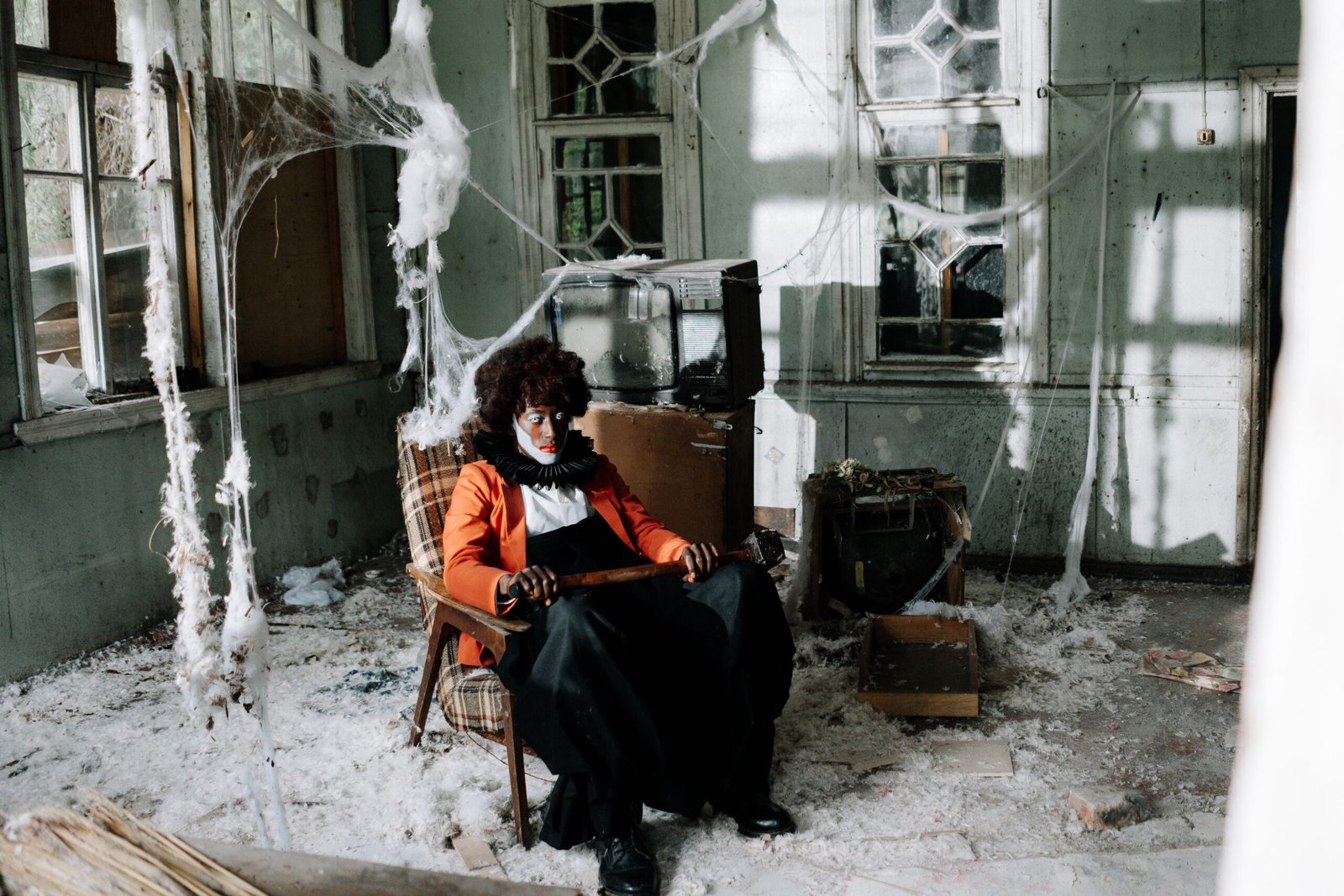
American Horror Story is one of television’s best-known horror anthology series, combining supernatural mysteries, psychological suspense, disturbing characters, and stories inspired by different kinds of fear. Created by Ryan Murphy and Brad Falchuk, the FX series premiered in 2011 and became famous for reinventing its premise with each new installment. Instead of following one continuous storyline from beginning to end, most seasons introduce a distinct setting, central mystery, and collection of characters, while selected installments connect to earlier chapters.
From the haunted house in Murder House to the witches of Coven, the sinister hotel in Hotel, and the slasher-inspired atmosphere of 1984, American Horror Story offers different experiences for viewers who enjoy horror in its many forms. The series explores more than ghosts and monsters: it also examines power, prejudice, obsession, grief, manipulation, and the frightening side of human nature. In 2026, the franchise continues with its thirteenth installment, making this a useful time for new viewers to discover the show and longtime fans to revisit its most memorable stories.
What Is American Horror Story About?
American Horror Story (AHS) is an American horror anthology television series produced by 20th Television for FX. Its defining feature is the anthology format: each installment introduces a different central horror concept, setting, and group of characters. Although some actors return in different roles across seasons, their characters and relationships may change considerably from one story to another. This structure allows the creators to explore haunted locations, supernatural forces, psychological terror, and social fears without being restricted to a single plot.
The first season, commonly known as Murder House, follows a family moving into a home with a disturbing history. Later seasons explore a psychiatric institution, a school for witches, a traveling sideshow, a hotel filled with dangerous secrets, and a variety of other unsettling environments. Some seasons emphasize traditional supernatural horror, while others draw inspiration from serial killers, cults, historical anxieties, or science-fiction mysteries.
This variety is a major reason American Horror Story remains distinctive. Someone who prefers haunted houses may enjoy a different season from a viewer who likes slasher films or psychological thrillers. The anthology format also makes it easier to sample different stories, although watching the seasons in release order can help viewers recognize recurring characters, references, and connections between certain installments.
American Horror Story Seasons in Order
One of the most common questions about American Horror Story seasons is where to begin. The following list presents the main installments in their original release order, helping viewers understand how the franchise developed over time.
Season 1 – Murder House (2011): A family moves into a haunted Los Angeles home filled with secrets, ghosts, and tragic histories.
Season 2 – Asylum (2012–2013): Set in a psychiatric institution, this installment combines psychological horror, religious themes, and disturbing mysteries.
Season 3 – Coven (2013–2014): Young witches navigate magical training, rivalries, and struggles over power and legacy.
Season 4 – Freak Show (2014–2015): A struggling traveling sideshow faces exploitation, prejudice, and a series of frightening events.
Season 5 – Hotel (2015–2016): Guests and residents encounter supernatural dangers inside a mysterious Los Angeles hotel.
Season 6 – Roanoke (2016): A documentary-style story gradually reveals the terrifying secrets surrounding an isolated property.
Season 7 – Cult (2017): Political anxiety, manipulation, and group psychology drive this unsettling storyline.
Season 8 – Apocalypse (2018): A major crossover brings elements from earlier seasons into a story about the end of the world.
Season 9 – 1984 (2019): A summer camp becomes the setting for a slasher story inspired by classic 1980s horror films.
Season 10 – Double Feature (2021): Two separate stories explore different threats, including mysterious creatures and alien-related conspiracies.
Season 11 – NYC (2022): A darker, more grounded installment explores violence, fear, and a community facing a growing crisis.
Season 12 – Delicate (2023–2024): A psychological horror story centers on pregnancy, ambition, and a growing sense that something is wrong.
Season 13 – 13 (2026): The latest installment brings back familiar characters and performers, revisiting elements of the franchise’s history.
Each season has its own atmosphere, so there is no universally correct choice for every viewer. However, starting with Murder House provides a useful introduction to the series and helps make later connections easier to recognize.
Main Cast and Characters of American Horror Story
A major attraction of American Horror Story is its ensemble cast. Performers frequently return for new installments, sometimes playing entirely different characters. This approach gives the franchise a recognizable identity while allowing every season to introduce new personalities and relationships.
Notable recurring performers include Sarah Paulson, Evan Peters, Jessica Lange, Lily Rabe, Kathy Bates, Angela Bassett, and Emma Roberts. Their performances have helped establish many of the show’s most memorable characters, from troubled individuals and powerful witches to villains whose motivations are more complicated than they first appear.
Jessica Lange played prominent roles in several early seasons, while Sarah Paulson and Evan Peters became especially associated with the anthology through their changing characters and storylines. The returning cast also creates opportunities for cross-season references, particularly when the show revisits familiar characters or locations.
The thirteenth installment continues this tradition by reuniting several fan favorites, including Jessica Lange, Sarah Paulson, and Evan Peters. New performers also join the franchise, offering a combination of familiar faces and fresh perspectives.
Rather than relying solely on frightening visuals, the show often uses strong performances to create emotional tension. Characters can be sympathetic in one moment and terrifying in the next, making their decisions and relationships central to the horror.
What Makes American Horror Story Different From Other Horror Shows?
American Horror Story stands out because it changes its identity from season to season. Many television dramas build a single story across multiple years, but this anthology can move from supernatural mysteries to slasher horror, dark fantasy, or social commentary. That flexibility allows it to experiment with storytelling techniques, visual styles, historical settings, and different types of antagonists.
Another defining feature is its willingness to combine several genres. A season may contain elements of mystery, crime, psychological drama, satire, and supernatural horror. The result can be unpredictable, especially when the story gradually reveals that the apparent threat is not the only danger facing its characters.
The series also uses horror to explore real-world concerns. Themes such as discrimination, abuse of authority, public fear, fame, and social manipulation often appear alongside ghosts, witches, or other supernatural elements. This gives some installments a broader meaning beyond their frightening scenes.
Its visual presentation is equally important. Carefully designed costumes, elaborate sets, dramatic lighting, and unsettling music help establish each season’s identity. The series has received more than 100 Emmy nominations since its debut, reflecting its longstanding presence in television and entertainment.
American Horror Story in 2026: Season 13 and Where to Watch
In 2026, the franchise’s thirteenth installment, titled American Horror Story: 13, is the latest chapter in the anthology. It premiered on September 24, 2026, with a three-episode launch, and is scheduled to conclude on October 29. The installment features 13 episodes and brings together returning performers and familiar characters from different parts of the franchise.
The new season is particularly notable for its connections to the show’s earlier stories. Returning characters include Constance Langdon and Cordelia Goode, alongside other recognizable figures. For longtime viewers, these appearances provide an opportunity to revisit established storylines; new viewers may find that watching earlier seasons adds context to the returning characters and references.
For viewing, FX and Hulu are the main U.S. options listed by the official show pages. Availability differs by country, and some regions offer the series through Disney+ or other licensed services. Check the official FX American Horror Story page or your local streaming platform for current availability and subscription requirements.
Viewers should also distinguish American Horror Story from its spin-off, American Horror Stories. The original series generally develops a separate story across each season, while the spin-off presents different horror stories episode by episode. Both share a creative universe and similar interests in suspense and supernatural themes, but they are not the same series.
Frequently Asked Questions About American Horror Story
Is American Horror Story based on a true story?
The series is fictional, although some installments draw inspiration from historical events, real-world anxieties, or familiar horror traditions. Individual characters and storylines may combine fictional elements with recognizable cultural references.
Do you need to watch American Horror Story in order?
You can watch many seasons independently because they feature different central stories. However, watching in release order is recommended if you want to understand recurring characters, crossover events, and references to earlier installments.
Which American Horror Story season should beginners watch first?
Murder House, the first season, is a strong starting point because it introduces the show’s style and provides context for later connections. Viewers who prefer witches and supernatural fantasy may also enjoy Coven, while fans of classic slasher films may prefer 1984.
Is American Horror Story still releasing new episodes in 2026?
Yes. The thirteenth installment, American Horror Story: 13, premiered in September 2026, with episodes scheduled through October. Check the official FX or streaming listings for the latest episode availability.
What is the difference between American Horror Story and American Horror Stories?
American Horror Story generally tells a different main story in each season. American Horror Stories is a spin-off that presents separate horror stories in individual episodes, although some episodes connect to the original series.
Conclusion
American Horror Story has built a lasting place in television through its anthology format, memorable performances, unsettling settings, and willingness to explore different kinds of fear. From Murder House and Coven to Apocalypse and the 2026 installment 13, the series offers a varied collection of stories for horror fans.
Whether you are discovering the show for the first time, looking for the best season to watch, researching its cast, or catching up with its newest chapter, understanding the seasons in order can make the experience more rewarding. Its blend of supernatural terror, psychological suspense, and social commentary continues to distinguish American Horror Story as a franchise that constantly reinvents the nightmare.
Entertainment
Aerial Fabric Dance: A Complete Guide to Aerial Silks, Benefits, Skills, and Safety in 2026
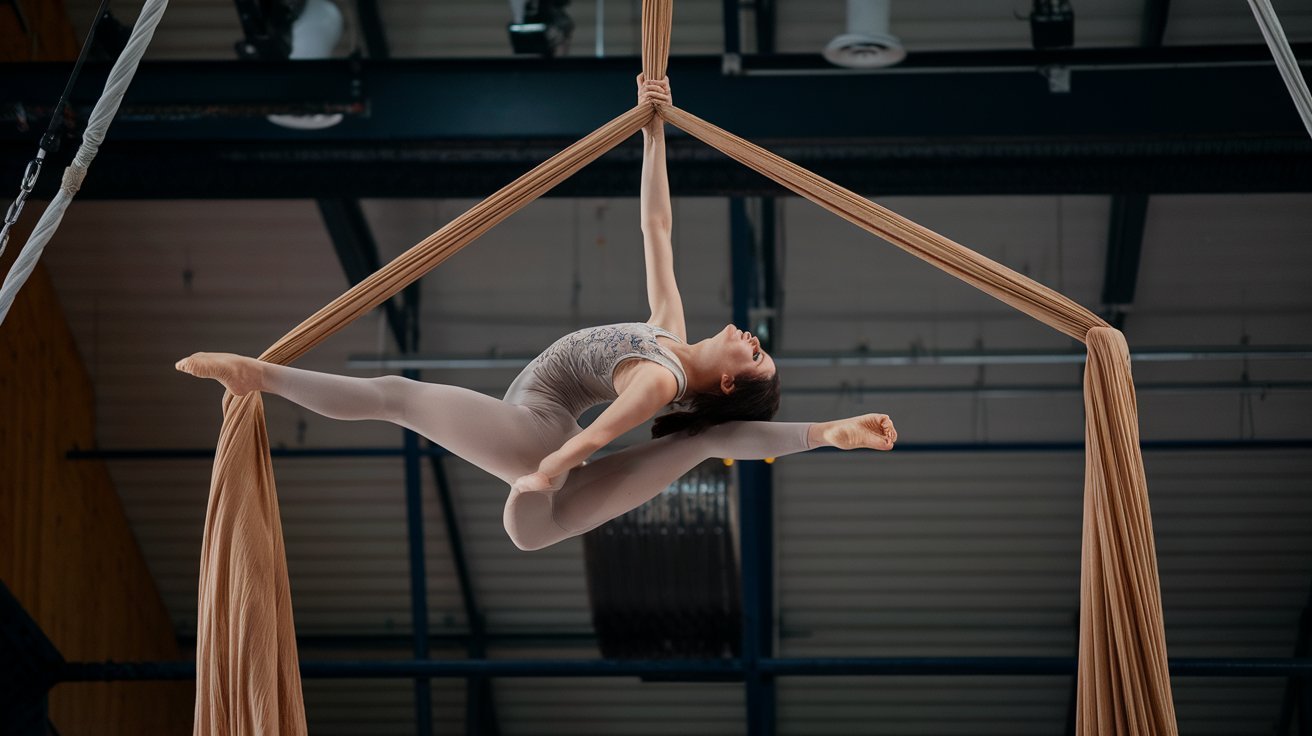
Aerial fabric dance is a visually captivating performance and fitness discipline that combines dance, acrobatics, flexibility, strength, and movement in the air. Also commonly associated with aerial silks, the activity involves performers using long pieces of specialized fabric suspended from an appropriate aerial rig or structural point. Dancers climb, pose, rotate, and create flowing shapes while remaining supported by the fabric.
What makes aerial fabric dance so appealing is its combination of athletic challenge and artistic expression. A performance can look effortless and graceful while requiring substantial core strength, grip strength, body awareness, flexibility, coordination, and concentration. Today, aerial fabric is practiced in circus schools, dance studios, fitness facilities, performing-arts programs, and recreational classes around the world.
Whether you are interested in aerial fabric dance as a hobby, fitness activity, creative art form, or performance discipline, understanding its fundamentals is essential. This guide explains what aerial fabric dance is, how it works, its benefits, equipment, beginner considerations, safety principles, and what to expect from training.
What Is Aerial Fabric Dance?
Aerial fabric dance is a form of aerial performance in which a dancer interacts with suspended fabric to create movement sequences and artistic shapes above the ground. The fabric is typically made from a strong, flexible textile specifically designed for aerial applications. It is suspended from an engineered rigging system that must be appropriate for dynamic aerial activity.
The discipline is closely related to aerial silks, one of the best-known circus arts. Performers use the fabric as both a movement partner and a means of support. Unlike traditional dance performed entirely on a floor, aerial fabric introduces three-dimensional movement, allowing performers to work vertically as well as horizontally.
Aerial fabric routines can range from slow, expressive sequences to energetic performances involving rotations, transitions, climbs, and dramatic poses. The artistic style depends on the performer, music, choreography, and level of training.
It is important to understand that aerial fabric is more than simply hanging from cloth. Professional instruction, appropriate equipment, conditioning, and safe progression are central parts of the discipline.
How Aerial Fabric Dance Combines Dance and Acrobatics
The unique appeal of aerial fabric comes from its combination of multiple movement disciplines. Traditional dance emphasizes musicality, lines, expression, rhythm, posture, and choreography, while aerial practice adds strength, spatial awareness, and suspended movement.
A performer may use the fabric to create shapes that would be difficult or impossible to perform on the floor. The fabric can extend the visual lines of the body and create a sense of floating, falling, wrapping, or climbing.
Aerial fabric also requires constant awareness of body position and orientation. Moving above the ground changes how balance works, so dancers gradually develop confidence with being inverted, rotating, and transitioning between different positions.
The result is a discipline that can be both physically demanding and highly artistic. A successful routine does not depend solely on difficult movements. Timing, presentation, musical interpretation, and controlled transitions are equally important.
Benefits of Aerial Fabric Dance
One reason aerial fabric dance has become increasingly popular is its combination of exercise and creativity. Regular training can challenge many areas of physical fitness.
Upper-body strength is particularly important because performers frequently use their arms, shoulders, hands, and back to support movement. The activity can also provide substantial core training, since the abdominal and surrounding muscles help stabilize the body during suspended movement.
Lower-body muscles are involved as well, particularly when climbing, positioning the legs, or maintaining controlled shapes. Over time, structured training can contribute to improved coordination, balance, flexibility, mobility, and body awareness.
There can also be psychological benefits. Learning a new aerial skill requires concentration and patience. Successfully developing a movement that once seemed difficult can build confidence and persistence.
The artistic element provides another advantage. Participants can combine movement with music and expression, making exercise feel more like a creative activity than a conventional workout.
However, individual results vary, and aerial training should complement rather than replace a balanced approach to overall fitness.
Equipment Used for Aerial Fabric Dance
The equipment used for aerial fabric dance must be specifically appropriate for aerial activity. The fabric itself is only one component of a larger system.
Common equipment can include aerial fabric, rated hardware, connectors, an appropriate rigging point, crash mats, and professional inspection equipment. The complete setup needs to be compatible, properly installed, and maintained.
A major safety issue is that ordinary household fabric, decorative material, ceiling fixtures, or improvised attachment points are not automatically suitable for aerial use. Aerial activity creates dynamic forces that can be considerably different from simply hanging body weight from an object.
For this reason, beginners should train at a reputable studio or under qualified supervision rather than attempting to construct an aerial system from unverified materials.
Professional aerial environments also commonly use crash mats beneath the training area. Mats reduce the severity of certain accidental falls, although they cannot eliminate the possibility of injury.
What Beginners Can Expect From Aerial Fabric Classes
Beginners do not need to arrive at their first class already knowing how to climb or perform aerial tricks. A properly structured beginner class introduces fundamental concepts progressively.
Early sessions may focus on grip, body positioning, basic conditioning, flexibility, fabric awareness, climbing concepts, and controlled movement. Instructors typically adjust activities according to the participant’s experience and physical ability.
It is normal for beginners to find certain movements challenging at first. Grip fatigue can occur quickly, and muscles that are not commonly used in everyday activities may become tired.
Consistency is generally more valuable than trying to progress too quickly. Aerial skills depend on technique as well as strength, and rushing can create unnecessary risk.
A good instructor should emphasize controlled movement and proper technique rather than encouraging students to perform advanced skills before they are prepared.
Aerial Fabric Dance Safety Tips
Because aerial fabric involves working above the ground, safety should always be the first priority. Beginners should learn under qualified instruction and use equipment that has been properly selected, installed, inspected, and maintained.
Aerial equipment should be checked regularly for signs of wear, damage, fraying, deformation, or other problems. Rigging should be handled by appropriately qualified professionals, particularly when structural attachment points are involved.
Training should also include an appropriate warm-up and conditioning period. Participants should communicate with instructors about relevant physical limitations and stop an activity if they experience significant pain, dizziness, or another concerning symptom.
Aerial training should never be treated as a challenge to see how much risk someone can tolerate. Progressive learning, supervision, proper equipment, and controlled practice are fundamental to a safe training environment.
Aerial Fabric Dance as a Performance Art
Beyond fitness, aerial fabric dance is an expressive performance art. Professional performers can use fabric, music, lighting, costumes, choreography, and storytelling to create memorable productions.
The fabric can become part of the visual narrative. A dancer might use slow movements to create an atmosphere of weightlessness or combine flowing transitions with dramatic musical changes. The height and three-dimensional nature of aerial movement give choreographers additional creative possibilities.
Aerial fabric is also increasingly incorporated into theater productions, circus performances, dance showcases, festivals, events, and contemporary performance projects.
The strongest performances balance athletic ability with artistic intention. A technically challenging routine can be impressive, but expression, musicality, character, and choreography can make a performance genuinely engaging.
Frequently Asked Questions About Aerial Fabric Dance
Is aerial fabric dance the same as aerial silks?
They are closely related terms. Aerial silks commonly refers to the circus discipline performed with suspended fabric, while “aerial fabric dance” can describe the broader artistic combination of aerial fabric movement and dance.
Do you need to be flexible to start?
Not necessarily. Some flexibility can be helpful, but beginners can develop strength, mobility, coordination, and flexibility gradually through appropriate training.
Is aerial fabric dance difficult?
It can be physically demanding, particularly for beginners. Grip and upper-body strength may take time to develop. With consistent instruction and progressive practice, students can gradually improve.
Can aerial fabric be used for fitness?
Yes. Aerial training can challenge strength, coordination, balance, flexibility, and core stability, making it an engaging form of physical activity.
Is aerial fabric safe for beginners?
It can be practiced safely in an appropriate environment, but aerial activity carries inherent risks. Beginners should use professional instruction, suitable equipment, proper rigging, and appropriate safety practices.
What should I wear to an aerial fabric class?
Comfortable, close-fitting athletic clothing is generally practical. Clothing should provide adequate coverage and avoid unnecessary zippers, exposed hardware, or accessories that could interfere with the fabric.
Conclusion
Aerial fabric dance brings together the athletic discipline of aerial movement and the creativity of dance. Whether practiced for fitness, recreation, artistic expression, or professional performance, it offers a unique way to develop strength, coordination, flexibility, body awareness, and confidence.
For beginners, the most important step is choosing a reputable training environment with qualified instruction and properly maintained equipment. Aerial fabric should never be treated as an improvised activity because the rigging system and fabric must be appropriate for dynamic loads.
With patience, consistent practice, and a strong emphasis on safety, aerial fabric dance can become an exciting and rewarding discipline. Its combination of movement, music, strength, and visual artistry is what continues to make it such a distinctive form of modern performance and fitness.

Violin Lessons: A Complete Guide for Beginners, Adults, and Children

Pegula: Jessica Pegula’s Tennis Career, Rankings, Grand Slam Success, and Life in 2026

US Attorney Appeal Tony Bailey: Case Background, Legal Issues, and Latest Updates in 2026

Playing Game Site PlayBattleSquare (2026): Complete Guide to Features, Gameplay, Community, and Gaming Experience

Is Mychael Schnell Married? (2026) Everything We Know About the Journalist’s Personal Life, Career, and Background

Isaac Ortega: Biography, Career, Achievements, and Growing Influence
 Gaming4 months ago
Playing Game Site PlayBattleSquare (2026): Complete Guide to Features, Gameplay, Community, and Gaming Experience
- Celebrity4 months ago
Is Mychael Schnell Married? (2026) Everything We Know About the Journalist’s Personal Life, Career, and Background
- Celebrity4 months ago
Isaac Ortega: Biography, Career, Achievements, and Growing Influence
- Blog4 months ago
The #Thriftyevents.net: A Complete Guide to Affordable Event Planning and Budget-Friendly Celebrations in 2026
- Technology4 months ago
Slylar Box: A Complete Guide to Features, Benefits, Uses, and What You Should Know
- Food4 months ago
Best Calçots with Romesco Near Me: The Ultimate 2026 Guide to Finding Authentic Catalan Grilled Onions
- Fashion4 months ago
www.redandwhitemagzcom: A Complete Guide to the Digital Magazine Platform in 2026
- Entertainment4 months ago
Buffstreams: Everything You Need to Know About the Popular Sports Streaming Platform