Pet
Bernedoodle in 2026: Breed Guide, Size, Temperament, Grooming, and Care


The Bernedoodle has become a popular choice for dog lovers seeking an affectionate, intelligent, and family-friendly companion. A cross between a Bernese Mountain Dog and a Poodle, this designer dog is admired for its fluffy coat, expressive eyes, playful personality, and variety of sizes. Bernedoodles can be wonderful companions for families, couples, and individuals who have the time to provide consistent training, grooming, exercise, and attention.
One of the biggest attractions of the Bernedoodle is its combination of traits from two well-loved breeds. Bernese Mountain Dogs are known for their gentle nature and loyalty, while Poodles are recognized for their intelligence and trainability. Bernedoodles may inherit characteristics from either parent, meaning their size, coat texture, energy level, and temperament can vary considerably.
In 2026, prospective owners should understand that a Bernedoodle is not a standardized purebred dog. Its appearance and care requirements depend on genetics, breeding practices, and individual development. Although some Bernedoodles shed less than many other dogs, no Bernedoodle is guaranteed to be hypoallergenic or completely non-shedding.
This comprehensive guide explains the Bernedoodle’s origins, sizes, personality, grooming needs, health considerations, training requirements, and typical costs to help future owners decide whether this crossbreed suits their lifestyle.
What Is a Bernedoodle? Understanding the Bernese Mountain Dog and Poodle Mix
A Bernedoodle is a cross between a Bernese Mountain Dog and a Poodle. The cross was developed to combine the Bernese Mountain Dog’s affectionate personality with the Poodle’s intelligence and coat characteristics. However, the results are not completely predictable, and puppies from the same litter can have different appearances and temperaments.
Bernese Mountain Dogs are large working dogs originally developed in Switzerland. They are typically known for their calm disposition, strength, and distinctive black, white, and rust-colored coats. Poodles come in standard, miniature, and toy varieties, allowing breeders to produce Bernedoodles in different size categories.
Bernedoodles are often described as affectionate, social, and eager to spend time with their families. Many enjoy playing, walking, learning tricks, and relaxing at home with their owners. Nevertheless, individual behavior depends on genetics, early experiences, socialization, and training.
It is also important to understand the difference between a Bernedoodle and a purebred Bernese Mountain Dog. The Bernedoodle is a mixed-breed dog, so it does not have the same predictable physical characteristics or standardized breed requirements as either parent breed. Responsible breeders should explain the parent dogs’ health histories and the likely characteristics of their puppies without making unrealistic promises.
Bernedoodle Sizes, Coat Colors, and Appearance
One of the most appealing characteristics of the Bernedoodle is its variety of sizes. The Poodle parent plays a significant role in determining the puppy’s expected adult size, although genetics from both parents influence the final result.
Standard Bernedoodle: Usually the largest variety, commonly weighing around 50–90 pounds or more.
Mini Bernedoodle: Often weighs approximately 25–49 pounds.
Tiny or Toy Bernedoodle: Generally smaller, frequently around 10–24 pounds, depending on the breeding lines.
These ranges are approximate rather than official breed standards. Adult size varies with parental size, sex, genetics, and development. Prospective owners should ask breeders for the parents’ actual weights and information about previous litters instead of relying exclusively on labels such as mini or tiny.
Bernedoodles may have wavy, curly, or straighter coats. Their colors include black, black and white, black and rust, tricolor, sable, and various combinations. The familiar tricolor pattern often resembles the Bernese Mountain Dog’s black base with white and rust markings.
Coat texture affects maintenance. Curlier coats may trap loose hair but require frequent brushing to prevent tangles and mats. Straighter coats may shed more visibly. Owners should choose a dog based on its overall needs and temperament rather than color or coat texture alone.
Bernedoodle Temperament: Are Bernedoodles Good Family Dogs?
Bernedoodles are often affectionate, playful, and people-oriented dogs. Many form close bonds with their families and enjoy being included in daily activities. Their combination of intelligence and sociability can make them rewarding companions for first-time owners who are prepared to invest in training and care.
However, temperament varies from one Bernedoodle to another. Some inherit the calmer nature of a Bernese Mountain Dog, while others display more of the Poodle’s alertness and energy. Early socialization and positive experiences help puppies develop confidence around unfamiliar people, other dogs, and different environments.
Bernedoodles can be suitable for families with children when interactions are supervised and children are taught to respect the dog’s boundaries. Larger dogs may accidentally knock over small children during enthusiastic play, while smaller Bernedoodles may be more physically delicate.
They can also live with other pets if introductions are managed carefully. Their intelligence makes them responsive to training, but boredom or prolonged isolation can contribute to unwanted behaviors such as barking, chewing, or digging.
Because many Bernedoodles enjoy human company, owners should gradually teach them to remain comfortable alone for appropriate periods. Providing interactive toys, predictable routines, and daily attention can support their emotional well-being.
Is a Bernedoodle right for an apartment? Smaller Bernedoodles may adapt well to apartment living when their exercise and enrichment needs are met. Standard Bernedoodles need more space to move comfortably, although a large house alone does not replace regular walks, training, and play.
Bernedoodle Grooming, Exercise, Diet, and Daily Care
A Bernedoodle requires consistent care to maintain a healthy coat, appropriate body weight, and good overall condition. The exact routine depends on its size, age, coat type, and activity level.
Grooming and coat maintenance: Brush a Bernedoodle several times a week, and often daily if its coat is long or curly and prone to tangling. Pay special attention to areas behind the ears, beneath the legs, around the collar, and where the limbs meet the body. Professional grooming is commonly needed every four to eight weeks, depending on coat growth and the chosen style. Regular nail trimming, ear checks, and dental care are also important.
Exercise requirements: Most healthy adult Bernedoodles benefit from daily walks, interactive play, and mental enrichment. Standard-sized dogs may need more physical activity than smaller varieties. Puppies should receive age-appropriate exercise, avoiding excessive high-impact activity while their joints are developing. Individual exercise plans should account for the dog’s health and fitness.
Nutrition and feeding: Choose a complete, balanced dog food appropriate for the dog’s life stage and size. Growing puppies need suitable nutrition for development, while adult dogs benefit from measured portions and a consistent feeding routine. Larger puppies may require a diet formulated for large-breed growth. Ask a veterinarian to recommend a feeding plan based on body condition and individual needs.
Weight management: Bernedoodles can gain excess weight if their food intake exceeds their activity level. Maintain a healthy body condition by measuring meals, limiting treats, and monitoring weight. Excess weight can increase stress on joints and contribute to other health problems.
Mental stimulation: Puzzle feeders, scent games, obedience training, and learning new commands help keep Bernedoodles mentally engaged. Because both parent breeds are intelligent, many Bernedoodles benefit from activities that challenge their minds as well as their bodies.
Bernedoodle Health Problems, Lifespan, and Veterinary Care
A Bernedoodle’s lifespan commonly falls around 12–15 years, particularly for smaller individuals, although size, genetics, and health can influence longevity. Standard-sized dogs may have shorter average lifespans than smaller dogs. There is no guarantee that a crossbreed will be healthier than either parent breed.
Potential health concerns include:
Hip and elbow dysplasia: Joint-development problems that may cause pain, stiffness, or difficulty moving.
Progressive retinal atrophy (PRA): An inherited eye condition that can lead to progressive vision loss.
Inherited heart conditions: Certain conditions may occur in the parent breeds and warrant appropriate screening.
Skin and ear problems: Dense, curly, or floppy-coated dogs may need careful grooming and routine checks to identify irritation or infection.
Obesity: Excess weight can affect mobility and increase the risk of other medical complications.
Certain cancers: Bernese Mountain Dogs have a notable predisposition to some cancers, making family health history important when evaluating breeding dogs.
Before bringing home a puppy, ask the breeder about health screening for both parents. Depending on the individual dogs and breeding lines, this may include hip and elbow evaluations, eye examinations, and relevant genetic tests. A responsible breeder should provide verifiable health records and discuss known health concerns openly.
Routine veterinary visits, vaccinations, parasite prevention, dental care, and early assessment of unusual symptoms can help protect a Bernedoodle’s health. Sudden weakness, breathing difficulty, severe pain, or collapse requires urgent veterinary attention.
Do Bernedoodles cause fewer allergies? Some Bernedoodles shed less than other dogs, but shedding and allergen production vary. No coat type guarantees an allergy-free experience. People with dog allergies should spend time around the individual dog before making a long-term commitment.
Bernedoodle Training, Puppy Prices, and Responsible Breeders
Bernedoodles are often quick learners, but their intelligence does not eliminate the need for consistent training. Start with basic commands, leash manners, house training, and calm greetings. Positive reinforcement using praise, play, and small treats helps build trust and encourages desirable behavior.
Puppies should be introduced gradually to new sounds, people, surfaces, and environments. Short training sessions work well for young dogs, while adult Bernedoodles may enjoy more advanced obedience, scent work, and interactive games. Avoid harsh punishment, which can undermine confidence and interfere with learning.
How much does a Bernedoodle cost in 2026?
In the United States, a Bernedoodle puppy from a breeder may cost approximately $2,000–$5,000 or more, depending on location, size, coat color, pedigree, and breeder reputation. These are broad estimates, not fixed market prices. Adoption fees may be lower, although Bernedoodles can be less commonly available through shelters and rescue organizations.
Beyond the initial purchase price, owners should budget for food, grooming, veterinary visits, training, preventive medication, supplies, and unexpected medical expenses. Professional grooming can be a particularly significant recurring cost for dogs with thick, curly coats.
When selecting a breeder, look for transparent health testing, clean and appropriate living conditions, well-socialized puppies, and a willingness to answer questions. Ask to review the parents’ health records and understand how the breeder evaluates temperament. Be cautious of sellers who promise a guaranteed allergy-free dog, refuse to provide documentation, or use misleading labels to justify unusually high prices.
Adopting from a reputable rescue organization is another option for people open to an adult Bernedoodle or a Bernedoodle mix.
Frequently Asked Questions About Bernedoodles
Are Bernedoodles hypoallergenic?
No dog is completely hypoallergenic. Some Bernedoodles shed less than others, but allergen levels vary by individual. People with allergies should spend time around the particular dog before adopting or purchasing one.
Do Bernedoodles shed a lot?
Shedding depends on coat genetics. Curlier coats may release less loose hair into the home, while straighter coats may shed more noticeably. Lower shedding does not mean low maintenance, because curly coats can develop mats without regular brushing.
Are Bernedoodles easy to train?
Many Bernedoodles are intelligent and responsive to reward-based training. Their success depends on consistency, socialization, motivation, and individual temperament. Early training helps establish good household habits.
How big does a Bernedoodle get?
Standard Bernedoodles may weigh approximately 50–90 pounds or more, while Mini and Tiny varieties are generally smaller. Actual adult size varies, so prospective owners should discuss parental size and breeding history with a responsible breeder.
How long do Bernedoodles live?
Many Bernedoodles live approximately 12–15 years, although size, inherited health conditions, and individual care affect lifespan. Smaller dogs may live longer on average than larger dogs.
Are Bernedoodles good for first-time owners?
They can be suitable for first-time owners who can provide training, exercise, grooming, and regular veterinary care. Their coat maintenance and potential size should be considered before making a decision.
Conclusion: Is a Bernedoodle the Right Dog for You in 2026?
The Bernedoodle combines the affectionate nature of the Bernese Mountain Dog with the intelligence and varied coat characteristics of the Poodle. Its friendly personality, range of sizes, and potential for strong family bonds make it an appealing companion for many households.
However, every Bernedoodle is an individual. Size, shedding, coat texture, energy level, and temperament cannot be guaranteed simply by knowing the parents’ breeds. Owners should be prepared for regular grooming, consistent training, appropriate exercise, balanced nutrition, and routine veterinary care.
Before choosing a Bernedoodle in 2026, research responsible breeders and reputable rescue organizations, review relevant health records, and calculate the long-term costs of ownership. By focusing on health, temperament, and lifestyle compatibility rather than appearance alone, we can make a better-informed decision and provide a Bernedoodle with a safe, loving, and enriching home.
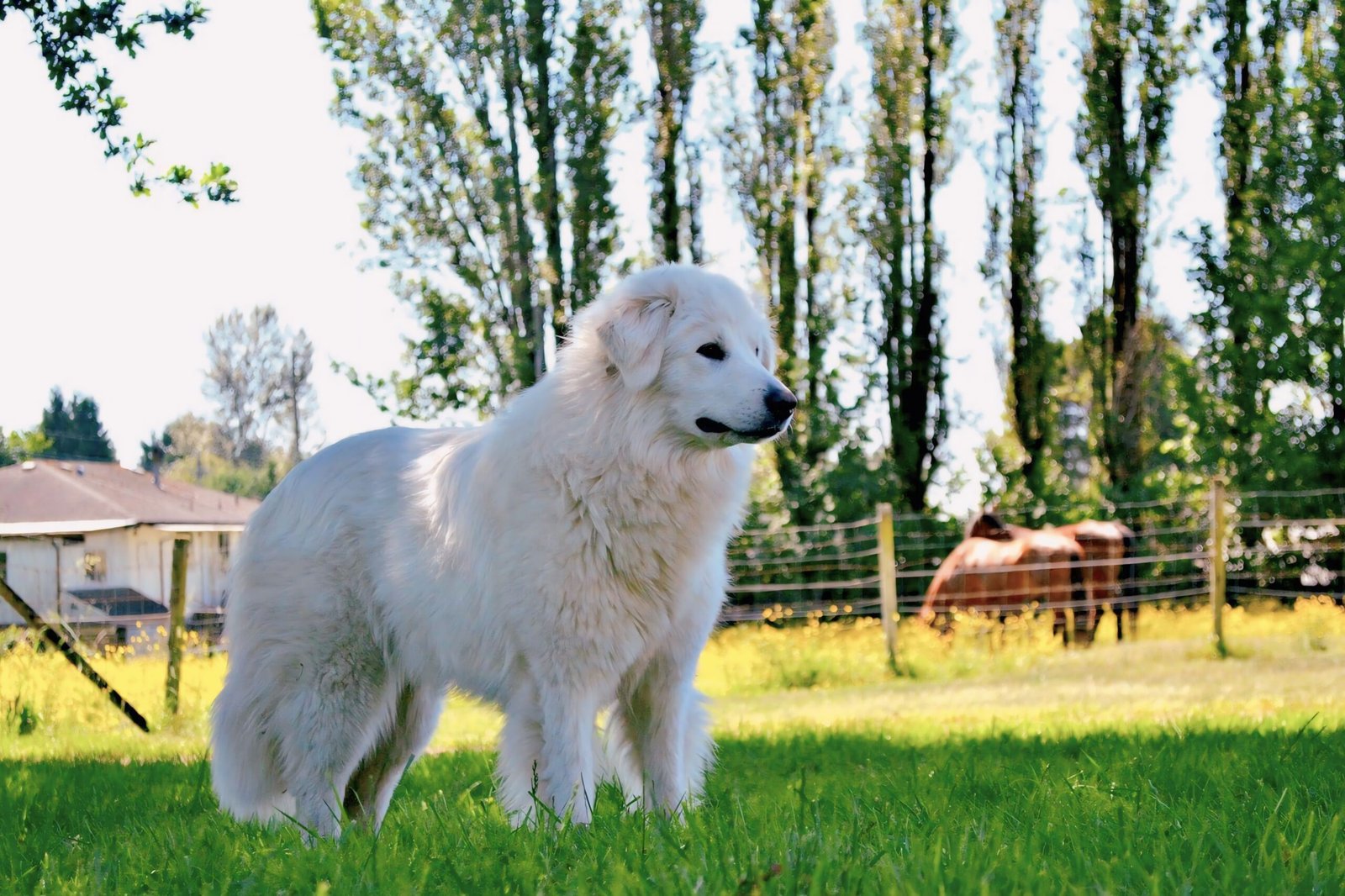
The Great Pyrenees is a large working dog breed originally developed in the Pyrenees Mountains between France and Spain. Its thick white coat, powerful body, and calm expression give it a distinctive appearance.
Adult males commonly stand around 27–32 inches at the shoulder, while females generally stand about 25–29 inches. Adult males often weigh around 100 pounds or more, and females commonly weigh about 85 pounds or more, although individual size varies.
The breed’s double coat consists of a coarse, weather-resistant outer layer and a dense, woolly undercoat. Most Great Pyrenees are white, but some have gray, tan, reddish-brown, or badger-colored markings. They also have a well-plumed tail and may develop a noticeable mane around the neck and shoulders.
Despite their substantial size, Great Pyrenees dogs are known for an elegant, balanced gait. Their physical characteristics reflect their original purpose: protecting livestock in mountainous environments and remaining capable of working in challenging weather.
Great Pyrenees Temperament: Are They Good Family Dogs?
The Great Pyrenees temperament is typically gentle, loyal, patient, and protective. These dogs were bred to guard livestock independently, so they often make decisions without waiting for instructions. At home, that independence can make them devoted companions, but it can also create challenges for owners who expect immediate obedience.
Great Pyrenees dogs may form strong bonds with their families while remaining cautious around unfamiliar people. Their protective instincts make early socialization important. Introducing puppies to different people, environments, sounds, and animals in a positive, controlled way can help them become confident adults.
They can be wonderful family dogs, particularly in households that understand their size and guarding behaviour. However, interactions with young children should always be supervised because even a friendly, heavy dog can accidentally knock a child over.
Potential owners should also consider their tendency to bark. Great Pyrenees dogs may bark to alert their families to unfamiliar sounds, people, or activity outside. This behaviour is connected to their history as livestock guardians, and it can become a challenge in apartments or neighbourhoods with strict noise rules.
The American Kennel Club recommends early training and socialization, noting that the breed’s independent nature can make traditional obedience work more challenging.
Great Pyrenees Grooming, Exercise, and Daily Care
The Great Pyrenees has a thick coat that requires consistent maintenance. Weekly brushing helps remove loose hair, prevent tangles, and keep the undercoat in good condition. During seasonal shedding periods, more frequent brushing may be necessary because these dogs can release substantial amounts of fur.
Despite its length, the coat is naturally resistant to dirt and tangling. Regular bathing is generally unnecessary unless the dog becomes particularly dirty. Owners should also maintain nail length, brush the dog’s teeth with canine toothpaste, and check the ears regularly for dirt or signs of irritation.
Exercise needs are usually moderate rather than extremely demanding. Daily walks, opportunities to explore a secure outdoor area, and activities that provide mental stimulation help maintain good physical and behavioural health. A sturdy, secure fence is particularly important because a Great Pyrenees may patrol its surroundings or wander if given the opportunity.
Hot weather deserves special attention. The dense double coat is adapted to cold conditions, so owners should provide shade, fresh water, good ventilation, and exercise during cooler hours in warm climates. Do not shave the coat simply to cool the dog down without veterinary guidance, because the coat helps protect the skin and supports temperature regulation.
These dogs generally benefit from a consistent routine that combines exercise, companionship, grooming, and opportunities to rest.
Great Pyrenees Health, Lifespan, and Nutrition
The typical Great Pyrenees lifespan is around 10–12 years, although genetics, preventive healthcare, nutrition, and individual circumstances influence longevity. Like other large breeds, Great Pyrenees dogs can develop health conditions that require veterinary monitoring.
Potential concerns include hip and elbow dysplasia, certain eye disorders, and gastric dilatation-volvulus, commonly called bloat. Bloat is a life-threatening emergency in which the stomach becomes distended and may twist. Warning signs can include a swollen abdomen, repeated unsuccessful attempts to vomit, restlessness, excessive drooling, or sudden distress. Seek emergency veterinary care immediately if these signs occur.
Responsible breeders should screen breeding dogs for relevant inherited conditions. When choosing a puppy, ask for documented health-testing results and information about the parents’ medical histories.
Nutrition is equally important. Feed a complete, balanced diet appropriate for the dog’s age, size, and activity level. Large-breed puppies need carefully managed growth, while adults benefit from portion control to help prevent excess weight and unnecessary stress on their joints.
Your veterinarian can recommend suitable food, feeding portions, and meal schedules. Avoid vigorous exercise immediately around meals, and discuss individual bloat-prevention strategies with your veterinary professional.
Regular checkups, vaccinations, parasite prevention, dental care, and prompt attention to unusual symptoms can help support a healthier life.
Is a Great Pyrenees the Right Dog for You?
A Great Pyrenees may be an excellent choice for someone seeking a loyal, calm, protective companion who appreciates a large dog with an independent personality. The breed can be particularly suitable for households with sufficient space, secure fencing, and the time to provide training and regular care.
However, prospective owners should consider several practical factors before bringing one home:
Space: A secure yard is helpful, although outdoor space does not replace companionship or daily exercise.
Training: Patience, consistency, and positive reinforcement are essential.
Grooming: Expect regular brushing and substantial seasonal shedding.
Noise: Protective barking may be difficult in close residential settings.
Expenses: Food, veterinary treatment, grooming supplies, and other costs can be higher for a giant breed.
Climate: Warm-weather households must take particular care to prevent overheating.
First-time dog owners should carefully consider whether they can manage the breed’s size, strength, independence, and guarding instincts. Working with a qualified trainer who understands guardian breeds can be especially helpful.
Frequently Asked Questions
Are Great Pyrenees aggressive?
They are generally described as gentle and protective, but individual behaviour varies. Early socialization and responsible training help develop appropriate responses to unfamiliar people and situations.
Do Great Pyrenees shed a lot?
Yes. Their thick double coat sheds regularly, with heavier seasonal shedding. Weekly brushing helps manage loose fur.
Are Great Pyrenees easy to train?
They are intelligent but independent. Short, engaging sessions and consistent positive reinforcement are often more effective than repetitive drills or harsh methods.
Can Great Pyrenees live in warm climates?
They can, provided owners take appropriate precautions. Shade, water, ventilation, and avoiding strenuous exercise during hot periods are essential.
Conclusion
The Great Pyrenees is a majestic livestock guardian known for its impressive size, fluffy white coat, loyalty, and calm temperament. Originally developed to protect flocks in the Pyrenees Mountains, the breed can become a loving family companion when its exercise, grooming, training, and environmental needs are met.
Before adopting one, consider the practical demands of caring for a large, independent dog. With responsible training, regular veterinary care, proper nutrition, and a suitable living environment, a Great Pyrenees can be a rewarding companion for many years.

The Corgi is one of the most recognizable dog breeds in the world, admired for its short legs, long body, expressive ears, and friendly personality. Despite its small stature, this intelligent herding dog has plenty of energy, confidence, and character. Corgis can make wonderful companions for families, active individuals, and experienced dog owners who understand their exercise, training, grooming, and health needs.
The name Corgi commonly refers to two distinct Welsh breeds: the Pembroke Welsh Corgi and the Cardigan Welsh Corgi. Both were developed as working dogs in Wales, where their low-set bodies helped them herd cattle. Although they share many physical characteristics, the breeds differ in appearance, temperament, and some health considerations.
In 2026, Corgis remain popular among people looking for an affectionate, intelligent, and entertaining companion. However, their popularity should not overshadow the responsibilities of ownership. Prospective owners should understand the breed’s daily needs, typical lifespan, potential medical expenses, and suitability for their household before bringing a puppy home.
What Is a Corgi? Understanding the Two Welsh Corgi Breeds
A Corgi is a small herding dog originally bred to work with livestock. Its short legs, sturdy body, alert expression, and quick reactions helped it move around cattle while avoiding kicks. Although modern Corgis are often family pets, many still display the intelligence, alertness, and work ethic associated with their herding ancestry.
The two recognized breeds are the Pembroke Welsh Corgi and the Cardigan Welsh Corgi.
Pembroke Welsh Corgi: Pembrokes are generally smaller and are often recognized by their foxlike faces, upright ears, and naturally short tails or docked tails where legally permitted. Their coats commonly appear in red, sable, fawn, or black and tan, often with white markings.
Cardigan Welsh Corgi: Cardigans are generally slightly larger and have long tails, rounded ears, and a broader range of coat colors. These can include brindle, blue merle, red, sable, and black, often with white markings.
Both breeds are affectionate, observant, and capable of learning commands quickly. They may also be vocal and independent, reflecting their history as working dogs. Choosing between them involves more than appearance; prospective owners should consider temperament, breeder practices, health testing, and individual personality.
Corgi Appearance, Size, and Life Expectancy
Corgis have a distinctive body shape, with short legs, a long torso, a deep chest, and a strong build. Their double coats help protect them from different weather conditions, but they also shed considerably, particularly during seasonal coat changes.
An adult Corgi typically stands around 10–12 inches tall at the shoulder, although exact measurements vary between the two breeds. Pembrokes commonly weigh around 24–30 pounds, depending on sex and build, while Cardigans can weigh approximately 25–38 pounds.
Their expressive faces and upright ears contribute to their recognizable appearance. Their coats require regular brushing to remove loose hair, prevent excessive buildup, and keep the skin in good condition.
The typical lifespan of a Pembroke Welsh Corgi or Cardigan Welsh Corgi is around 12–15 years, although individual dogs may live shorter or longer lives depending on genetics, nutrition, exercise, preventive veterinary care, and overall health.
Corgis can adapt to apartment living when their exercise and enrichment needs are met. However, a small home does not eliminate their need for walks, training, play, and mental stimulation. Owners should also manage jumping and stair use when appropriate because the breed’s long back and short legs make healthy weight and safe movement especially important.
Corgi Personality and Temperament: Are Corgis Good Family Dogs?
Corgis are known for their intelligence, loyalty, confidence, and playful nature. They often form strong bonds with their families and enjoy participating in everyday activities. Their curious personalities can make them entertaining companions, especially for owners who enjoy teaching tricks, playing games, and providing regular exercise.
Because Corgis were bred to herd livestock, they can be alert and occasionally vocal. Some may bark when strangers approach, when they hear unfamiliar sounds, or when they become excited. Early training can help teach appropriate responses and prevent excessive barking from becoming a habit.
Corgis can be excellent family dogs when they receive suitable supervision, socialization, and training. However, their herding instincts may lead them to chase moving objects or nip at people’s heels, particularly during puppyhood. Children should be taught to handle dogs gently, respect their space, and avoid disturbing them while eating or sleeping.
Their intelligence is a significant advantage, but it also means they need mental stimulation. Puzzle toys, obedience exercises, scent games, and short training sessions can help prevent boredom-related behaviors.
Corgis can live alongside other dogs and pets when introductions are handled carefully. Early, positive socialization helps them learn how to behave around unfamiliar animals, people, and environments.
Corgi Diet, Exercise, Grooming, and Daily Care
A healthy Corgi needs a balanced diet, consistent physical activity, routine grooming, and regular veterinary attention. Although the breed is energetic, it is also prone to weight gain when food intake exceeds daily energy needs.
Nutrition and feeding: Choose a complete, balanced dog food appropriate for the dog’s age, size, and activity level. Puppies need food formulated for growth, while adults generally benefit from a consistent feeding schedule and measured portions. Treats should be limited, and fresh water should always be available. A veterinarian can recommend suitable portions based on body condition and health.
Exercise requirements: Most healthy adult Corgis benefit from daily walks, interactive play, and opportunities to explore safely. Many enjoy activities such as obedience training, scent work, and appropriately managed agility exercises. Exercise should be adapted to age, fitness, and medical needs rather than following a rigid schedule.
Grooming needs: Corgis have dense double coats that shed throughout the year, with heavier shedding often occurring seasonally. Brushing several times a week helps remove loose hair and keep the coat manageable. During heavy shedding periods, more frequent brushing may be necessary. Regular nail trimming, ear checks, and dental care are also important.
Weight management: Extra weight places additional strain on the joints and spine. Measure meals, monitor treats, and check your dog’s body condition regularly. Owners should be able to feel the ribs without pressing through a thick layer of fat.
Home safety: Avoid repeatedly encouraging high jumps from furniture and take care when navigating stairs, especially for puppies, older dogs, or dogs with mobility problems. Ramps and nonslip surfaces may help when recommended for an individual dog.
Common Corgi Health Problems and Veterinary Care
Corgis can enjoy long, active lives, but prospective owners should understand the health conditions that may affect the breed. Responsible breeding, appropriate exercise, healthy body weight, and preventive veterinary care can reduce certain risks, although no approach guarantees a disease-free dog.
One important concern is intervertebral disc disease (IVDD), a condition affecting the discs between the spinal bones. Because Corgis have long backs and short legs, owners should take spinal health seriously. Signs such as back pain, reluctance to move, weakness, or difficulty walking require prompt veterinary assessment. Sudden paralysis or an inability to walk is an emergency.
Other potential concerns include:
Hip dysplasia: An abnormal hip joint that can cause discomfort, stiffness, or mobility problems.
Progressive retinal atrophy (PRA): An inherited eye disorder that can lead to progressive vision loss.
Obesity: Excess body weight can worsen joint strain and contribute to other health complications.
Dental disease: Plaque and tartar can lead to gum inflammation and tooth loss without regular dental care.
Degenerative myelopathy: A progressive neurological condition that can affect mobility in some dogs.
Before purchasing a puppy, ask the breeder about health screening relevant to the breed, including appropriate hip, eye, and genetic testing. A veterinarian can help establish a vaccination schedule, parasite prevention plan, dental care routine, and screening program suited to the dog’s age and circumstances.
Owners should never assume that a Corgi’s short-legged appearance means it is unhealthy. The goal is to support normal movement, maintain a healthy weight, and recognize warning signs early.
Corgi Training, Puppy Prices, and Finding a Responsible Breeder
Corgis are intelligent and eager to learn, but their independent nature makes consistent, reward-based training essential. Begin with simple commands such as sit, stay, come, and leave it. Reward desirable behavior with praise, play, or small treats, and keep sessions short enough to maintain the puppy’s attention.
Early socialization helps puppies become comfortable with different people, sounds, surfaces, and environments. House training, leash manners, and appropriate greetings should also be introduced early. Because Corgis have strong herding instincts, recall training and secure outdoor spaces are particularly valuable.
The price of a Corgi puppy varies by location, breeder reputation, pedigree, health testing, and demand. In the United States, a puppy from a responsible breeder may cost approximately $1,000–$3,000 or more, although actual prices can fall outside this range. Adoption fees are often lower, and breed-specific rescue organizations may occasionally have Corgis or Corgi mixes available.
When choosing a breeder, look for transparent health records, appropriate genetic screening, clean living conditions, and opportunities to meet the puppy’s mother when possible. Avoid sellers who refuse to answer questions, pressure buyers into immediate payment, or offer to ship puppies without reasonable health and welfare safeguards.
Remember that the purchase price is only one part of ownership. Food, veterinary visits, vaccinations, grooming supplies, training, insurance, and emergency treatment can add substantially to lifetime costs.
Frequently Asked Questions About Corgis
Are Corgis easy to train?
Yes, Corgis are generally intelligent and responsive to training. However, they can be independent and easily distracted. Positive reinforcement, consistency, and early socialization help produce better results.
Do Corgis shed a lot?
Yes. Corgis have double coats and shed throughout the year, often more heavily during seasonal changes. Regular brushing helps control loose hair, but they are not a low-shedding breed.
Are Corgis suitable for apartment living?
They can adapt to apartments if they receive daily exercise, mental stimulation, and appropriate training. Their tendency to bark should also be considered when living in shared buildings.
How long do Corgis live?
Corgis commonly live around 12–15 years. Genetics, nutrition, preventive veterinary care, and maintaining a healthy weight can influence their quality of life and longevity.
Are Corgis good with children?
Many Corgis are affectionate family companions. However, supervision is essential, and children should learn safe handling practices. Training can also help manage herding behaviors, including heel-nipping.
Conclusion: Is a Corgi the Right Dog for You in 2026?
The Corgi combines a distinctive appearance with intelligence, loyalty, and an energetic personality. Whether we choose a Pembroke Welsh Corgi or a Cardigan Welsh Corgi, we can expect a companion that enjoys spending time with its family and participating in daily activities.
Successful Corgi ownership requires more than appreciating their short legs and adorable expressions. These dogs need balanced nutrition, regular exercise, consistent training, coat maintenance, and attention to spinal and joint health. Prospective owners should also plan for veterinary expenses and choose responsible breeders or reputable rescue organizations.
For people prepared to meet these needs, a Corgi can be a rewarding companion for many years. By understanding the breed’s temperament, health considerations, and daily care requirements, we can make an informed decision and provide a safe, healthy, and enriching home for this remarkable Welsh dog.

VW Tiguan 2026: Price, Specs, Interior, Engine, and Features

Great Pyrenees Appearance, Size, and Breed Characteristics

Honda CR-V Hybrid 2026: MPG, Price, Specs & Review

Playing Game Site PlayBattleSquare (2026): Complete Guide to Features, Gameplay, Community, and Gaming Experience

Is Mychael Schnell Married? (2026) Everything We Know About the Journalist’s Personal Life, Career, and Background

The #Thriftyevents.net: A Complete Guide to Affordable Event Planning and Budget-Friendly Celebrations in 2026
 Gaming3 months ago
Playing Game Site PlayBattleSquare (2026): Complete Guide to Features, Gameplay, Community, and Gaming Experience
- Celebrity3 months ago
Is Mychael Schnell Married? (2026) Everything We Know About the Journalist’s Personal Life, Career, and Background
- Blog3 months ago
The #Thriftyevents.net: A Complete Guide to Affordable Event Planning and Budget-Friendly Celebrations in 2026
- Celebrity4 months ago
Isaac Ortega: Biography, Career, Achievements, and Growing Influence
- Technology4 months ago
Slylar Box: A Complete Guide to Features, Benefits, Uses, and What You Should Know
- Food3 months ago
Best Calçots with Romesco Near Me: The Ultimate 2026 Guide to Finding Authentic Catalan Grilled Onions
- Fashion3 months ago
www.redandwhitemagzcom: A Complete Guide to the Digital Magazine Platform in 2026
- Entertainment4 months ago
Buffstreams: Everything You Need to Know About the Popular Sports Streaming Platform