Food
Masgonzola: What It Is, Taste, Uses, and Complete Cheese Guide 2026

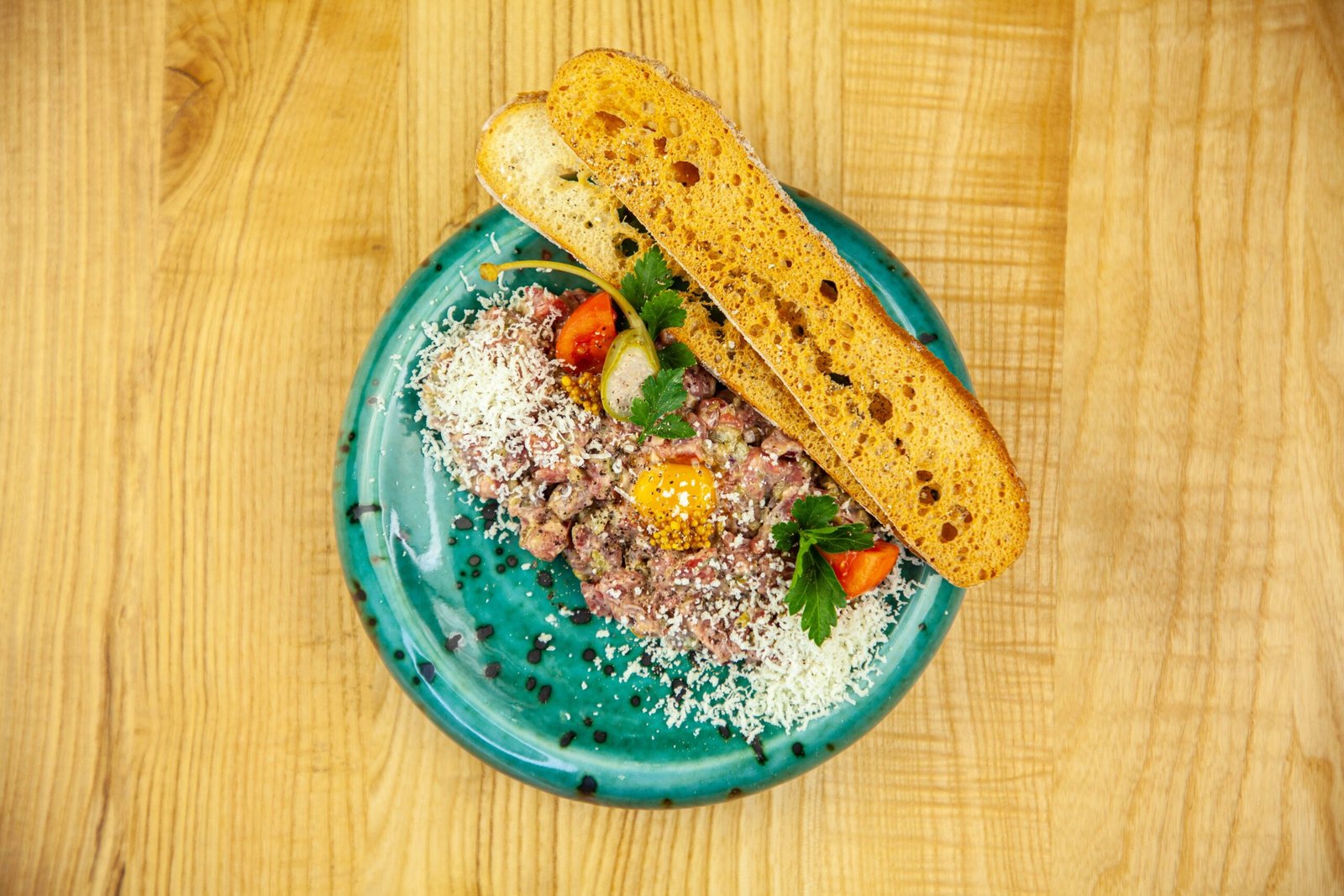
Masgonzola is a creamy cheese specialty associated with the combination of two well-known Italian dairy products: Gorgonzola and mascarpone. The name sounds like an established traditional cheese variety, which explains why it has generated considerable curiosity online. In practice, however, Masgonzola is better understood as a Gorgonzola-mascarpone preparation or specialty, rather than a separate protected cheese category with one universal recipe. Recent food references consistently describe the combination in this way.
The appeal is easy to understand. Gorgonzola contributes a salty, tangy, savory blue-cheese character, while mascarpone contributes a soft, rich, smooth, and creamy texture. Together, they create something that can retain the personality of blue cheese while being noticeably softer and more approachable. Depending on the product, the two components may be blended together or arranged in visible layers.
What Is Masgonzola?
At its simplest, Masgonzola is Gorgonzola combined with mascarpone. The name is commonly understood as a blend of the names mascarpone and Gorgonzola, making it an easy shorthand for the combination. Some commercial products and recipes use the name Masgonzola, while others describe essentially the same style as “Gorgonzola e mascarpone,” “Gorgonzola with mascarpone,” or “Gorgonzola-mascarpone.”
The two ingredients bring very different characteristics. Gorgonzola is an Italian blue cheese known for its distinctive blue-green veining and pronounced savory flavor. Mascarpone is exceptionally mild, rich, and creamy. When the cheeses are brought together, the mascarpone can soften the stronger characteristics of Gorgonzola while adding body and spreadability.
There is no single universal Masgonzola formula. Some versions use roughly equal proportions, while others contain more Gorgonzola or more mascarpone. Consequently, the appearance, intensity, texture, and nutritional profile can differ between products.
Is Masgonzola a Traditional or Protected Italian Cheese?
This is where much of the confusion surrounding Masgonzola begins. The food combination itself is genuine and appears in recipes and commercial cheese products, but it should not automatically be described as a separately protected Italian cheese.
Gorgonzola is an established protected Italian cheese, whereas Masgonzola does not have a separately verified protected designation comparable to Gorgonzola. Current food references therefore describe Masgonzola more accurately as a cheese combination or specialty rather than an independent PDO cheese.
There is also no strong evidence establishing one universally accepted inventor, original producer, or exact creation date for Masgonzola. Online descriptions sometimes give the impression that it is either a centuries-old cheese or an entirely new internet invention, but the available evidence supports a more practical explanation: Gorgonzola and mascarpone have been combined in recipes and commercial products, and Masgonzola is a convenient name for that style.
This distinction matters because a catchy culinary name does not automatically create a legally standardized cheese category. Gorgonzola has defined production requirements, while Masgonzola-style products can vary considerably.
What Does Masgonzola Taste Like?
The flavor of Masgonzola depends largely on the balance between its two components. Gorgonzola contributes the recognizable blue-cheese character: salty, tangy, savory, earthy, and aromatic. Mascarpone contributes mild dairy sweetness, richness, and a buttery smoothness.
The combination can therefore taste creamy, mildly pungent, savory, tangy, and rich without being as forceful as a stronger Gorgonzola eaten on its own. This makes it particularly interesting for people who appreciate blue cheese but prefer a gentler texture and flavor.
The type of Gorgonzola also matters. A milder Gorgonzola Dolce can create a softer result, while a stronger style can give the finished combination a more pronounced blue-cheese character. The proportion is equally important: more mascarpone generally means a softer and milder preparation, whereas more Gorgonzola produces stronger flavor.
Texture is another defining feature. Masgonzola can be soft, dense, creamy, and spreadable, depending on how it is produced. Some commercial versions have distinct layers of white mascarpone and blue-veined Gorgonzola, creating an attractive contrast when sliced.
How Is Masgonzola Made?
Because there is no single standardized recipe, Masgonzola can be made in different ways. One approach is to blend softened Gorgonzola and mascarpone until they form a relatively uniform cream. Another approach is to layer the two cheeses so their colors, textures, and flavors remain partially distinct.
The ratio can also be adjusted. A home cook who wants a mild spread can increase the mascarpone, while someone who wants a stronger blue-cheese flavor can increase the Gorgonzola. A commercially produced Masgonzola-style cheese may follow its own manufacturer’s formulation.
For home cooking, using a milder Gorgonzola is often a practical starting point because it combines easily with mascarpone and produces a balanced flavor. The cheeses should generally be handled gently rather than aggressively overheated, particularly when preparing a sauce, because excessive heat can cause rich dairy mixtures to separate.
The resulting mixture can be served immediately in many recipes, while packaged products should always be handled according to their manufacturer’s storage and use instructions.
How to Use Masgonzola in Cooking
One of the strongest advantages of Masgonzola is its versatility. Its combination of blue-cheese depth and creamy texture makes it useful in both simple and sophisticated dishes.
Pasta and Gnocchi
Masgonzola can be melted gently into pasta sauces. A little pasta water can help loosen the mixture and create a smooth coating. It works particularly well with pasta shapes that hold creamy sauces.
Risotto
The combination can add richness to risotto while providing more character than mascarpone alone. Masgonzola can be incorporated toward the end of cooking so its creamy texture remains prominent.
Bread and Crostini
A simple spread of Masgonzola over toasted bread or crostini makes an easy appetizer. Pears, walnuts, herbs, and honey can provide contrasting sweet, fresh, or crunchy elements.
Pizza
Small amounts can be added to pizza with ingredients such as pears, walnuts, mushrooms, onions, or cured meats. Because the cheese is rich, a modest amount can provide substantial flavor.
Cheese Boards
Masgonzola also fits naturally on a cheese board. It can be served with fresh fruit, dried fruit, nuts, crackers, honey, and crusty bread.
Published recipes demonstrate how useful the Gorgonzola-mascarpone combination can be in appetizers and savory cooking. A recent Italian recipe, for example, uses Gorgonzola and mascarpone as a creamy spread alongside pears, celery, walnuts, and toasted bread.
Masgonzola vs. Gorgonzola vs. Mascarpone
Although the names are related, these foods are not interchangeable.
Gorgonzola is the boldest component, providing the characteristic blue-cheese flavor, veining, saltiness, and tang. It is an established Italian cheese with protected status.
Mascarpone is much milder. It is known primarily for its smooth, rich, creamy consistency and is widely used in both sweet and savory cooking.
Masgonzola brings the two together. It is therefore neither simply another name for Gorgonzola nor another name for mascarpone. Instead, it uses the qualities of both ingredients to create a different culinary experience.
This explains its appeal: people who find blue cheese too intense can use the mascarpone component to soften it, while people who find mascarpone too mild can gain additional depth from Gorgonzola.
How to Buy, Store, and Serve Masgonzola
Finding Masgonzola may require some flexibility because the exact word may not appear on every package. When shopping, look for descriptions such as Gorgonzola e Mascarpone, Gorgonzola with mascarpone, or similar wording.
When comparing products, check the ingredient list and consider the ratio of the two cheeses. A product with more mascarpone will generally have a softer profile, while a product emphasizing Gorgonzola may deliver a stronger blue-cheese taste.
Masgonzola-style products are perishable dairy foods, so refrigeration is important. Follow the package’s storage instructions and use the product within the manufacturer’s recommended period after opening.
Because both primary ingredients are dairy products, people with milk allergies or dairy-related dietary restrictions should carefully check labels before consuming the product.
Frequently Asked Questions About Masgonzola
What is Masgonzola made of?
Masgonzola is generally made from Gorgonzola and mascarpone, either blended together or arranged in layers.
Is Masgonzola a real cheese?
The food combination is real and appears in recipes and commercial products. However, it is more accurate to call it a Gorgonzola-mascarpone specialty or preparation than a separately protected cheese variety.
Is Masgonzola the same as Gorgonzola?
No. Gorgonzola is the blue cheese used in the combination, while Masgonzola generally refers to Gorgonzola combined with mascarpone.
Does Masgonzola have a strong taste?
It can, but mascarpone generally makes the overall preparation creamier and milder than Gorgonzola alone. The exact intensity depends on the recipe and proportions.
Can Masgonzola be used in pasta?
Yes. It is particularly suitable for creamy pasta sauces, gnocchi, and other savory dishes.
Can Masgonzola be made at home?
A simple version can be prepared by combining softened Gorgonzola and mascarpone. The proportion can be adjusted according to the desired strength and creaminess.
Is there one official Masgonzola recipe?
No universal formula has been established. Different products can use different proportions, textures, and preparation methods.
Conclusion
Masgonzola is best understood as a creamy combination of Gorgonzola and mascarpone, bringing together the bold character of Italian blue cheese and the smooth richness of mascarpone. Its unusual name may make it sound like a completely separate traditional cheese, but available culinary evidence supports the simpler explanation: it is a Gorgonzola-mascarpone specialty whose exact formulation can vary.
That flexibility is part of what makes Masgonzola useful. It can be spread on bread, incorporated into pasta, stirred into risotto, added to pizza, used in appetizers, or served on a cheese board. Its flavor can range from relatively mild and creamy to noticeably blue-cheesy depending on the amount and type of Gorgonzola used.
For anyone searching for Masgonzola in 2026, the key is to distinguish the genuine food combination from unsupported claims about its history or protected status. The combination is real, the name is used in culinary contexts, and its creamy, savory character makes it a versatile option for cooks and cheese lovers who want the depth of Gorgonzola with the softer texture of mascarpone.
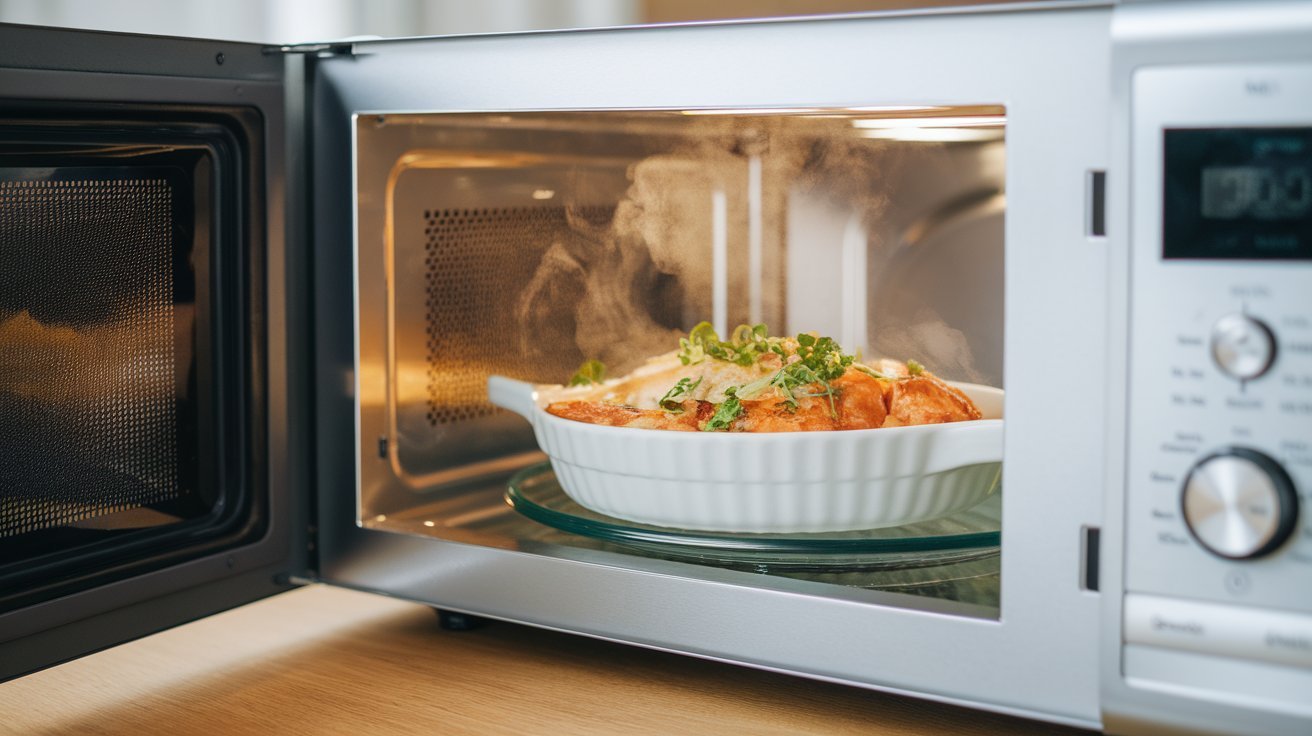
Microwey is an unusual term that has appeared more frequently in online searches and articles during 2026. Because the word looks and sounds very similar to microwave, many people naturally wonder whether Microwey is a new appliance, a technology, a brand, or simply another spelling of a familiar kitchen term.
Based on the information currently available, the safest interpretation is that Microwey is mainly an alternative spelling or search variation associated with microwave ovens and microwave cooking. It is not currently established as a separate appliance category or universally recognized technical standard. Some newer websites use Microwey to describe ideas such as smart cooking, connected appliances, or advanced microwave features, but those descriptions should be separated from the established meaning of a microwave oven.
What Does Microwey Mean?
The simplest answer is that Microwey generally points toward “microwave.” The spelling may appear because of typing mistakes, voice-to-text input, pronunciation-based spelling, or users simply being unsure about the correct spelling. Search engines frequently encounter variations of common words, and an unusual spelling can develop its own search presence when people repeatedly use it online.
Recent publications examining the term do not identify a consistent technical definition for Microwey. Instead, several connect it directly with microwave ovens, microwave cooking, kitchen appliances, and related technology. Another group of websites has attempted to give the term broader meanings, including smart-kitchen concepts and digital technology ideas. Because those definitions are inconsistent, context is important when interpreting the word.
For someone looking for a kitchen appliance, searching for microwave oven will generally provide clearer and more established information than searching only for Microwey.
Is Microwey a Brand or a New Appliance?
One of the most common questions is whether Microwey is a specific brand. Current information does not provide strong evidence that Microwey is a major established appliance manufacturer with a clearly documented product range, model numbers, warranty system, and technical documentation.
Some online articles describe Microwey as a modern or smart microwave concept, but that is different from proving that a particular company sells products under the Microwey name. A genuine appliance brand normally has identifiable manufacturers, official product pages, model specifications, manuals, customer-support information, and safety documentation.
This distinction is particularly important for consumers. If a website claims that a particular product is an official “Microwey,” shoppers should look for the manufacturer, exact model number, warranty information, safety certification, and independent product information rather than relying on the keyword alone. Recent sources similarly caution that the spelling itself does not establish a specific brand or product category.
How Is Microwey Connected to Smart Kitchen Technology?
Although Microwey is not established as a separate technical standard, some recent online discussions use the word in connection with smart microwave technology. This interpretation is understandable because modern microwave ovens have developed well beyond simple manual heating.
Depending on the model, modern appliances may include sensor cooking, automatic programs, variable power levels, convection functions, preset menus, child-lock systems, and connected controls. Some advanced appliances can also integrate with broader smart-home ecosystems.
However, these features belong to particular microwave products and technologies. They should not automatically be attributed to every appliance or website using the word Microwey.
This distinction prevents a common misunderstanding: a smart microwave exists, but that does not prove that “Microwey” is the official name for smart microwave technology. Current sources that describe Microwey as a smart concept generally acknowledge that the term does not have a standardized definition.
What Can a Microwave Do?
If Microwey is being used to refer to a microwave oven, its practical uses are familiar. A microwave uses electromagnetic energy to heat food and beverages. It is particularly useful for reheating leftovers, defrosting suitable foods, warming drinks, and preparing certain meals.
One of its biggest advantages is speed. Instead of preheating a large conventional oven, users can often heat a small or medium portion directly in a microwave. This makes the appliance convenient for busy households, workplaces, students, and anyone who regularly prepares individual portions.
Microwave cooking also has limitations. A standard microwave does not produce the same browning and crisping effect as a conventional oven, grill, or frying pan. Foods can also heat unevenly, particularly when they are thick, dense, frozen, or irregularly shaped. Stirring, rotating, covering food appropriately, and allowing a short standing time can help distribute heat more evenly.
Microwey, Microwave Safety, and Smart Buying
Whether you call it Microwey or microwave, food and appliance safety should remain the priority. Users should follow the manufacturer’s instructions and use containers that are specifically suitable for microwave heating.
Particular care is needed with hot liquids. Water and other liquids can sometimes become superheated, meaning they can become extremely hot without showing obvious signs of boiling. Handling or disturbing such liquids can cause sudden splashing and burns. Recent microwave guidance highlights the importance of following manufacturer instructions when heating liquids.
It is also sensible to avoid putting unsuitable materials into a microwave. Metal objects and containers not designed for microwave use can create safety problems. Food should be heated according to appropriate instructions, and users should take care when removing containers because steam and surfaces can become very hot.
If you are shopping for a microwave that a website calls Microwey, focus on the actual specifications. Check the appliance’s capacity, power level, cooking programs, dimensions, warranty, safety information, and manufacturer. A catchy name should never replace proper product verification.
Why Is Microwey Becoming a Search Term in 2026?
The growing interest in Microwey appears to be connected partly to the way unusual keywords spread online. Once people encounter a strange spelling, they may search for it to determine whether it represents a new product or technology. Publishers then create articles explaining the term, which can give the keyword a larger online presence.
Some recent articles describe Microwey as a spelling variation of microwave, while others expand it into smart cooking or digital technology concepts. One source even discusses Microwey as a broader technology idea unrelated to kitchen appliances. These conflicting definitions demonstrate why readers should examine the evidence behind a claim rather than assuming every online explanation refers to the same thing.
The most consistent connection remains the ordinary word microwave. Until an identifiable company or recognized technical organization establishes Microwey as a distinct product or technology, it is more accurate to treat it as an ambiguous online term.
Final Thoughts on Microwey
Microwey is best understood in 2026 as an unusual online term most closely associated with microwave ovens and microwave cooking. It may simply be an alternative spelling, typing variation, or search expression. Some newer websites use it to describe smart-kitchen concepts, advanced microwave functions, or even unrelated digital ideas, but these meanings are not consistently established.
For consumers, the practical lesson is straightforward: do not assume that Microwey automatically means a specific brand, appliance, or revolutionary technology. If a particular product is being marketed under the name, verify the manufacturer, model, specifications, warranty, and safety documentation before making a purchase.
Frequently Asked Questions About Microwey
Is Microwey the same as microwave?
In most kitchen-related searches, Microwey appears to be a spelling or search variation of microwave rather than a separate cooking technology.
Is Microwey an official appliance brand?
There is currently insufficient reliable evidence to establish Microwey as a widely recognized microwave manufacturer or standardized appliance brand.
Is Microwey a smart microwave?
Some online articles use the term in connection with smart microwave concepts, but there is no established definition requiring a Microwey product to include AI, Wi-Fi, sensors, or automated cooking.
What is a microwave mainly used for?
Microwave ovens are commonly used for heating, reheating, defrosting, and cooking suitable foods quickly.
Why does Microwey appear online?
It can appear as an unusual spelling, search variation, or informal term related to microwave technology. The exact reason depends on the context in which the word is encountered.
Should you buy a product advertised as Microwey?
Before buying, verify the actual manufacturer, model number, specifications, warranty, safety information, and independent product details. The name alone is not enough to establish what a product is.
Is Microwey a new invention?
There is no strong evidence that Microwey itself represents a newly invented cooking technology. The established technology behind microwave ovens has a much longer history, while the Microwey spelling is a newer online phenomenon.

Yukon: A Complete Guide to the GMC Yukon SUV in 2026

How to Brew Pour Over Coffee: A Complete Step-by-Step Guide for 2026

Sosoactive: Meaning, Uses, Features, and What We Know in 2026

Playing Game Site PlayBattleSquare (2026): Complete Guide to Features, Gameplay, Community, and Gaming Experience

Is Mychael Schnell Married? (2026) Everything We Know About the Journalist’s Personal Life, Career, and Background

The #Thriftyevents.net: A Complete Guide to Affordable Event Planning and Budget-Friendly Celebrations in 2026
 Gaming3 months ago
Playing Game Site PlayBattleSquare (2026): Complete Guide to Features, Gameplay, Community, and Gaming Experience
- Celebrity3 months ago
Is Mychael Schnell Married? (2026) Everything We Know About the Journalist’s Personal Life, Career, and Background
- Blog3 months ago
The #Thriftyevents.net: A Complete Guide to Affordable Event Planning and Budget-Friendly Celebrations in 2026
- Celebrity3 months ago
Isaac Ortega: Biography, Career, Achievements, and Growing Influence
- Technology3 months ago
Slylar Box: A Complete Guide to Features, Benefits, Uses, and What You Should Know
- Food3 months ago
Best Calçots with Romesco Near Me: The Ultimate 2026 Guide to Finding Authentic Catalan Grilled Onions
- Entertainment3 months ago
Buffstreams: Everything You Need to Know About the Popular Sports Streaming Platform
- Fashion3 months ago
www.redandwhitemagzcom: A Complete Guide to the Digital Magazine Platform in 2026