Blog
How Accessible Transportation Supports Everyday Independence


Accessible transportation plays a vital role in helping people maintain their independence, participate in their communities, and enjoy a better quality of life. Whether someone is living with a disability, recovering from an injury, or experiencing mobility challenges due to aging, reliable transportation can make everyday activities significantly easier. From attending medical appointments and going to work to shopping for groceries and visiting friends, accessible transportation opens doors that might otherwise remain closed.
Communities around the world are increasingly recognizing the importance of creating transportation systems that are inclusive and easy to use. Public transit agencies, private transportation providers, and local governments are investing in features such as wheelchair-accessible buses, low-floor trains, paratransit services, and ride-sharing options designed for passengers with mobility needs. These improvements not only benefit individuals with disabilities but also support older adults, parents with strollers, and anyone who may require additional accessibility features.
This article explores how accessible transportation supports everyday independence, the benefits it provides, the challenges that remain, and the ways communities can continue improving mobility for everyone.
What Is Accessible Transportation?
Accessible transportation refers to transportation services and infrastructure designed to accommodate people with a wide range of physical, sensory, cognitive, or temporary mobility limitations. The goal is to ensure that everyone can travel safely, comfortably, and with dignity, regardless of their abilities.
Accessible transportation includes many features, such as:
- Wheelchair ramps and lifts
- Low-floor buses
- Elevators at train stations
- Audio and visual stop announcements
- Accessible taxis and ride-sharing vehicles
- Reserved seating
- Wide doorways and accessible pathways
- Paratransit and door-to-door transportation services
These accommodations make it easier for people to navigate public spaces, reducing barriers that might otherwise limit their independence.
Why Transportation Is Essential for Everyday Independence
Transportation is much more than simply getting from one place to another. It provides access to opportunities, services, relationships, and experiences that contribute to a fulfilling life.
For many individuals, the ability to travel independently means they can:
- Attend work or school
- Visit healthcare providers
- Shop for necessities
- Participate in community events
- Spend time with family and friends
- Engage in recreational activities
- Volunteer and contribute to society
Without dependable transportation, even routine tasks can become difficult or impossible. Individuals may have to rely heavily on family members or caregivers, reducing their sense of independence and limiting their ability to make spontaneous decisions about daily life.
Accessible transportation empowers people to manage their own schedules, make personal choices, and remain active participants in their communities.
The Benefits of Accessible Transportation
The advantages of accessible transportation extend well beyond mobility. It positively influences many aspects of daily life.
Greater Personal Freedom
When transportation is accessible, individuals gain the freedom to travel without constantly depending on others. This independence helps build confidence and encourages greater participation in society.
Improved Employment Opportunities
Reliable transportation enables people to commute to work consistently. Employers also benefit from a more diverse workforce when transportation barriers are reduced.
Better Access to Healthcare
Regular medical appointments are essential for maintaining good health. Accessible transportation makes it easier for people to attend checkups, therapy sessions, rehabilitation appointments, and specialist visits without unnecessary stress.
Increased Social Inclusion
Isolation can negatively affect mental and emotional well-being. Accessible transportation allows people to attend social gatherings, community events, religious services, and recreational activities that strengthen personal connections.
Higher Quality of Life
The ability to move freely contributes to greater happiness, self-confidence, and overall life satisfaction. Having transportation options supports independence while promoting dignity and personal choice.
Accessible Transportation and Older Adults
As people age, driving may become more difficult due to changes in vision, reaction time, or physical mobility. Accessible transportation provides older adults with practical alternatives that allow them to remain active and independent.
Senior-friendly transportation services help individuals:
- Continue living independently
- Maintain regular healthcare visits
- Shop for groceries and household items
- Visit family members
- Participate in social and recreational activities
Remaining connected to the community supports both physical and mental health, reducing feelings of loneliness while encouraging continued engagement in everyday life.
Technology Is Improving Accessible Mobility
Advances in technology are making accessible transportation more convenient than ever before. Digital tools and smart transportation systems are helping individuals plan trips, request rides, and receive real-time travel information.
Some notable innovations include:
- Mobile apps that display wheelchair-accessible routes
- GPS tracking for paratransit vehicles
- Voice-guided navigation systems
- Contactless payment options
- Ride-booking applications with accessibility preferences
- Real-time service updates for public transit
Technology also enables transportation providers to improve scheduling, reduce wait times, and deliver more reliable services for passengers with varying accessibility needs.
As innovation continues, accessible transportation is expected to become even more efficient and user-friendly.
Challenges That Still Need to Be Addressed
Despite significant progress, many communities continue to face accessibility challenges.
Common issues include:
- Limited accessible public transit routes
- Inconsistent maintenance of elevators and ramps
- Long wait times for specialized transportation
- Rural areas with few transportation options
- Insufficient driver training regarding accessibility needs
- High transportation costs for some users
Addressing these challenges requires ongoing investment, thoughtful planning, and collaboration among governments, transportation agencies, advocacy organizations, and community members.
Improving accessibility benefits everyone by creating transportation systems that are safer, more convenient, and more inclusive.
Building More Inclusive Communities Through Transportation
Accessible transportation is a key part of creating communities where everyone can participate equally. Inclusive transportation systems support economic growth, increase workforce participation, and improve access to education, healthcare, and social opportunities.
Communities can strengthen accessibility by:
- Investing in modern accessible vehicles
- Maintaining accessible infrastructure
- Expanding paratransit services
- Improving pedestrian pathways
- Providing clear signage and announcements
- Consulting people with disabilities during transportation planning
- Offering ongoing accessibility training for transportation staff
When accessibility is included from the beginning of transportation planning, communities become more welcoming for residents and visitors alike.
Conclusion
Accessible transportation is about much more than mobility—it is about independence, opportunity, and inclusion. By removing transportation barriers, individuals can participate more fully in everyday life, pursue education and employment, maintain their health, and stay connected with family and friends.
While many transportation systems have made meaningful progress, there is still work to be done to ensure that accessibility is available consistently across cities, towns, and rural communities. Continued investment in accessible infrastructure, innovative technology, and inclusive planning will help create transportation networks that serve everyone with dignity and respect.
Ultimately, accessible transportation empowers people to live more independent lives. When individuals have the freedom to travel where they need and want to go, they gain greater control over their daily lives, strengthen their connections to their communities, and enjoy a higher overall quality of life.
Frequently Asked Questions
What is accessible transportation?
Accessible transportation includes vehicles, infrastructure, and services designed to accommodate people with disabilities, mobility limitations, and other accessibility needs.
Who benefits from accessible transportation?
People with disabilities, older adults, individuals recovering from injuries, parents with strollers, and travelers carrying heavy luggage can all benefit from accessible transportation features.
Why is accessible transportation important?
It promotes independence, improves access to employment and healthcare, supports social participation, and enhances overall quality of life.
What are examples of accessible transportation?
Examples include wheelchair-accessible buses, low-floor trains, paratransit services, accessible taxis, ride-sharing vehicles with ramps or lifts, and transit stations equipped with elevators and tactile guidance.
How does technology improve accessible transportation?
Technology helps through trip-planning apps, GPS tracking, real-time transit updates, contactless payments, voice navigation, and accessible ride-booking platforms.
What challenges still exist?
Some communities face limited accessible routes, aging infrastructure, long wait times for specialized services, rural transportation gaps, and affordability concerns. Continued investment and inclusive planning can help address these issues.


The VW Tiguan 2026 is a compact SUV designed for drivers who want a combination of comfort, modern technology, practical space, and everyday driving convenience. Produced by Volkswagen, the Tiguan has become an important model in the brand’s global SUV lineup, appealing to families, commuters, and drivers who prefer a versatile vehicle with a premium feel.
The 2026 Volkswagen Tiguan builds on the latest generation’s focus on improved styling, updated infotainment technology, comfortable seating, and efficient turbocharged performance. Its appeal comes from balancing everyday usability with features commonly associated with more expensive vehicles. Depending on the market and trim level, buyers may find different engines, equipment packages, and drivetrain configurations.
For anyone researching the 2026 VW Tiguan, understanding its design, engine options, interior, safety features, fuel economy, and ownership costs can make it easier to determine whether this SUV fits their needs. Specifications vary between markets, so buyers should confirm the exact features offered in their country before making a purchase.
VW Tiguan 2026: Exterior Design and Styling
The Volkswagen Tiguan 2026 features a contemporary SUV design that combines clean lines with a more confident road presence. Its sculpted bodywork, distinctive front styling, and carefully shaped lighting give it a modern appearance without moving too far away from Volkswagen’s understated design philosophy.
At the front, the Tiguan’s appearance varies according to trim, lighting package, and regional specification. LED headlights, a broad grille treatment, and sculpted bumper details help create a recognizable face. Higher equipment levels may offer additional lighting features and more distinctive exterior finishes.
The side profile emphasizes the SUV’s proportions, with defined wheel arches, a rising shoulder line, and alloy wheels that vary in size depending on the version. At the rear, modern lighting elements and a clean tailgate design give the vehicle a cohesive appearance.
Exterior color choices, wheel designs, roof equipment, and decorative details depend on the market. Buyers should therefore review the official specifications for their local model rather than assume every pictured feature comes standard.
Overall, the Tiguan’s styling is intended to appeal to drivers who want a vehicle that looks sophisticated enough for business use while remaining practical for family journeys, shopping trips, and weekend travel.
VW Tiguan 2026 Engine, Performance, and Driving Experience

Performance is an important part of the Tiguan’s appeal. In the United States, the 2026 model is offered with a turbocharged 2.0-liter four-cylinder gasoline engine. Volkswagen lists output at approximately 201 horsepower, paired with an eight-speed automatic transmission. Front-wheel drive and available 4MOTION all-wheel drive depend on the selected configuration.
The turbocharged engine is designed to deliver useful acceleration for city driving and highway merging. The automatic transmission manages gear changes without requiring the driver to operate a clutch, making the vehicle suitable for daily commuting and longer journeys.
Drivers can expect a balance between responsive performance and everyday comfort rather than the aggressive behavior of a dedicated performance SUV. Steering, suspension, and throttle response are designed to support ordinary road use, although the precise driving character depends on the trim, wheels, tires, and drivetrain.
The available 4MOTION all-wheel-drive system can provide additional traction in appropriate conditions, including wet roads and certain slippery surfaces. However, all-wheel drive does not eliminate the need for suitable tires or careful driving in snow, ice, and heavy rain.
Engine choices differ internationally. Some markets offer different petrol, diesel, mild-hybrid, or plug-in hybrid powertrains, depending on the model year and local lineup. Anyone comparing a European Tiguan with a U.S.-market version should check the relevant Volkswagen website because specifications and equipment are not necessarily interchangeable.
VW Tiguan 2026 Interior, Comfort, and Cargo Space
The 2026 VW Tiguan interior focuses on comfort, modern controls, and practical storage. Its cabin design combines a clean dashboard layout with digital displays and materials that vary by trim. The overall goal is to create a comfortable environment for everyday commuting while providing enough flexibility for family use.
A central infotainment display handles supported entertainment, navigation, and vehicle functions. Depending on equipment, drivers may also benefit from smartphone integration, wireless connectivity, and a digital instrument display. Because screen sizes and individual features can vary by configuration, buyers should check the equipment list for the exact vehicle they intend to purchase.
The seating layout is designed to accommodate five occupants in the U.S. model. Front-seat comfort, rear legroom, and available seat adjustments make the Tiguan suitable for everyday travel and longer road trips. Higher trims may include upgraded upholstery, heated seats, ventilated front seats, or other comfort features.
Cargo capacity is another important consideration. The rear storage area can accommodate groceries, luggage, sports equipment, and everyday family essentials. Folding the rear seats provides additional room for larger items, making the Tiguan more versatile when transporting furniture or travel gear.
Interior practicality also depends on details such as cupholders, door pockets, charging connections, and storage compartments. Families should consider bringing child seats or measuring bulky luggage before buying, especially if they frequently travel with several passengers.
VW Tiguan 2026 Technology, Safety, and Driver Assistance
Modern technology is a major part of the Tiguan’s appeal. Depending on trim and market, the 2026 model can offer a digital cockpit, touchscreen infotainment, smartphone connectivity, and driver-assistance systems intended to make driving more convenient.
Available safety and assistance features may include Forward Collision Warning, Automatic Emergency Braking, Blind Spot Monitoring, Lane Assist, and Adaptive Cruise Control. Exact names, availability, and operating capabilities vary by market and equipment package. Buyers should check the local specification sheet rather than assume every feature is standard.
These systems can help drivers recognize potential hazards, maintain awareness of nearby traffic, or manage speed and distance in certain conditions. Nevertheless, driver-assistance technology does not replace attentive driving. Drivers remain responsible for steering, braking, checking blind spots, and responding to changing road conditions.
Infotainment features can also improve convenience on daily journeys. Compatible smartphone integration provides access to supported apps, music, calls, and navigation. The availability of wireless connections, charging pads, premium audio, and advanced parking assistance depends on the selected version.
When evaluating safety, it is sensible to review the vehicle’s official safety information, check applicable crash-test results, and confirm which systems are included in the actual car. A well-equipped Tiguan can offer a useful combination of technology and driver support, but its overall safety depends on vehicle configuration, road conditions, maintenance, and responsible driving.
VW Tiguan 2026 Fuel Economy, Price, and Ownership Costs
Fuel economy and purchase price are important factors when comparing the VW Tiguan with other compact SUVs. Actual running costs depend on the engine, drivetrain, trim, local fuel prices, insurance, and driving habits.
The U.S. model’s turbocharged gasoline engine is designed to balance useful performance with everyday efficiency. Front-wheel-drive and all-wheel-drive versions may have different fuel-economy ratings. For accurate figures, buyers should consult the official Volkswagen Tiguan website and the applicable government fuel-economy database.
The 2026 VW Tiguan price also varies by market and equipment. Higher trims generally cost more because they may include upgraded seats, larger wheels, additional driver-assistance technology, and enhanced interior features. Taxes, dealer fees, destination charges, and optional packages can increase the final purchase price.
Ownership costs should include more than the initial payment. Consider routine servicing, tires, brakes, insurance, fuel, and potential repair expenses. Before buying a used or new vehicle, compare the warranty terms and scheduled maintenance requirements available in your region.
A sensible approach is to compare the total cost of ownership over several years instead of focusing only on the advertised price. This helps determine whether the Tiguan fits your budget and driving needs.
Is the 2026 Volkswagen Tiguan Worth Buying?
The 2026 Volkswagen Tiguan is worth considering for drivers who want a modern compact SUV with a comfortable cabin, practical cargo space, turbocharged performance, and contemporary technology. It can suit small families, commuters, and drivers who need one vehicle for everyday errands and longer journeys.
Its main advantages include a refined design, flexible interior, useful infotainment features, and available all-wheel drive. However, buyers should also compare its price, fuel economy, warranty, and standard equipment with alternatives such as the Honda CR-V, Toyota RAV4, Hyundai Tucson, and Mazda CX-5.
Before making a decision, take a test drive, check the rear-seat space, test the infotainment controls, and review the exact safety equipment included in your preferred trim. These steps will help you determine whether the Tiguan offers the right balance of comfort, practicality, and value.
Frequently asked questions
Is the VW Tiguan 2026 a five-seater?
The U.S. version is designed to seat five people. Seating configurations may differ by market and model generation.
Does the 2026 Tiguan have all-wheel drive?
Yes, available 4MOTION all-wheel drive is offered on certain configurations, depending on the market.
What engine does the 2026 VW Tiguan use?
The U.S. version uses a turbocharged 2.0-liter four-cylinder gasoline engine. Other countries may offer different powertrains.
Is the VW Tiguan good for families?
Its five-seat layout, flexible cargo area, and available comfort and safety features make it a practical option for many small families.
What is the price of the VW Tiguan 2026?
The price depends on the country, trim, optional equipment, taxes, and dealer charges. Check your local Volkswagen website for current pricing.
Conclusion
The VW Tiguan 2026 combines contemporary styling, comfortable seating, useful technology, and versatile SUV practicality. Its turbocharged performance and available all-wheel drive make it suitable for a variety of everyday driving needs. By comparing trims, checking local specifications, and calculating ownership costs, buyers can decide whether the Tiguan is the right compact SUV for them.
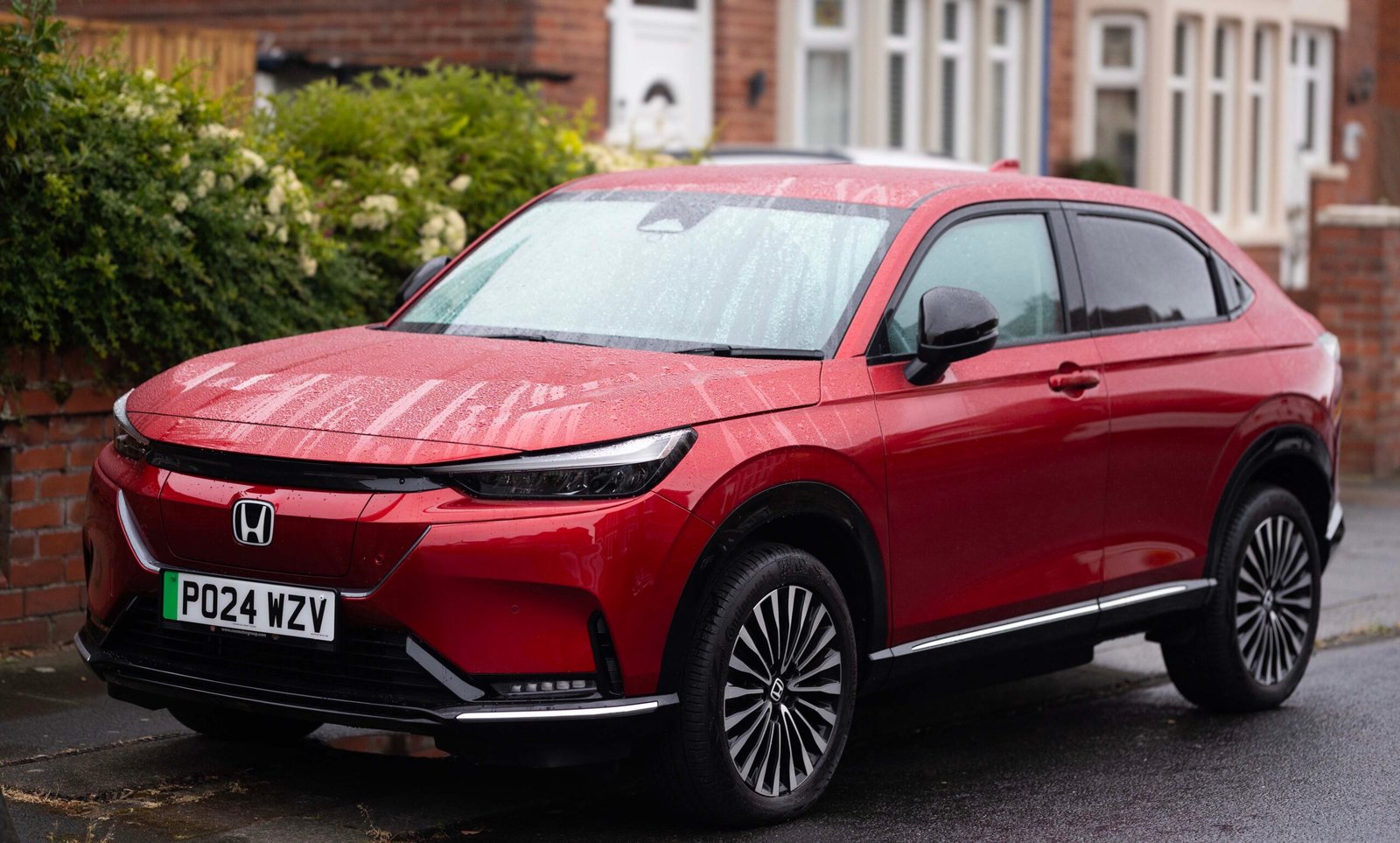
The Honda CR-V Hybrid 2026 is a practical compact SUV that combines fuel-efficient hybrid technology, comfortable seating, versatile cargo space, and everyday driving convenience. Designed for families, commuters, and drivers who want to reduce fuel consumption without sacrificing the usefulness of an SUV, the CR-V Hybrid offers a compelling balance of performance, comfort, and efficiency. Its combination of a gasoline engine and electric motors helps deliver smooth acceleration and improved fuel economy, particularly in city driving.
For buyers researching the 2026 Honda CR-V Hybrid, the most important considerations include fuel efficiency, available trim levels, interior space, safety features, performance, and ownership costs. The model builds on the CR-V’s reputation for practicality while offering a hybrid powertrain that reduces reliance on gasoline. Depending on the trim and drivetrain, buyers can choose features that emphasize affordability, convenience, sporty styling, or premium comfort.
The Honda CR-V Hybrid competes with other popular hybrid SUVs, including the Toyota RAV4 Hybrid and Mazda CX-50 Hybrid. Its strongest appeal is its well-rounded character: it is designed to handle daily commuting, family trips, shopping, and highway travel without making efficiency the only priority. Understanding its specifications and available equipment can help us determine whether this hybrid SUV suits our needs in 2026.
Honda CR-V Hybrid 2026: Overview and Key Specifications
The 2026 Honda CR-V Hybrid combines the familiar CR-V body style with a two-motor hybrid system. In the United States, the hybrid lineup uses a 2.0-liter four-cylinder gasoline engine paired with electric motors and a lithium-ion battery. The system is designed to balance responsive acceleration with fuel-efficient operation.
Here is a general overview of the US-market model. Equipment and specifications can vary by trim, drivetrain, and market.
| Feature | 2026 Honda CR-V Hybrid |
|---|---|
| Vehicle class | Compact hybrid SUV |
| Seating capacity | 5 passengers |
| Gasoline engine | 2.0-liter four-cylinder |
| Total system output | 204 horsepower |
| Transmission | Electronic continuously variable transmission (e-CVT) |
| Drivetrain | Front-wheel drive or available all-wheel drive, depending on trim |
| Hybrid battery | Lithium-ion |
| Main purpose | Efficiency, comfort, and everyday practicality |
| Fuel type | Gasoline and electric hybrid system |
One major advantage of the CR-V Hybrid is that it does not need to be plugged into an external charger. Its battery is recharged through the hybrid system, including regenerative braking. This makes it convenient for drivers who want hybrid efficiency without installing home charging equipment or planning charging stops.
The exact features included in the 2026 model depend on the selected trim. Before purchasing, we should confirm the specifications, equipment, and pricing for the vehicle offered by the local Honda dealer.
2026 Honda CR-V Hybrid Price and Available Trim Levels
The Honda CR-V Hybrid price depends on the trim, drivetrain, optional equipment, destination charges, and dealer pricing. For the US market, Honda lists several hybrid versions, ranging from the value-focused Sport Hybrid to the more premium Sport Touring Hybrid.
| Hybrid trim | Starting MSRP* | Main highlights |
|---|---|---|
| Sport Hybrid | $35,630 | Sport styling, heated front seats, hybrid powertrain |
| TrailSport Hybrid | $38,800 | Standard AWD, all-terrain tires, rugged styling |
| Sport-L Hybrid | $38,725 | Leather-trimmed seats, power tailgate |
| Sport Touring Hybrid | $42,250 | Standard AWD, Bose audio, Google built-in |
*US-market manufacturer pricing before destination charges, taxes, registration, and optional equipment. Verify current pricing with Honda because dealer offers and published prices can change.
The Sport Hybrid is a sensible starting point for buyers who want improved fuel economy and useful everyday features. The Sport-L Hybrid adds a more premium cabin, while the TrailSport Hybrid offers standard all-wheel drive and styling intended for drivers who occasionally travel on rougher roads. The Sport Touring Hybrid sits near the top of the lineup, adding features such as a Bose premium sound system, Google built-in, and a hands-free power tailgate.
When comparing trims, we should consider the complete purchase price rather than just the advertised starting figure. Financing, insurance, maintenance, local taxes, and fuel savings can affect the overall cost of ownership.
Honda CR-V Hybrid MPG and Driving Performance
Fuel economy is one of the strongest reasons to consider the 2026 Honda CR-V Hybrid. According to Honda’s published EPA ratings, the front-wheel-drive Sport Hybrid and Sport-L Hybrid achieve an estimated 43 mpg city, 36 mpg highway, and 40 mpg combined. All-wheel-drive versions of the Sport Hybrid, Sport-L Hybrid, and Sport Touring Hybrid are rated at approximately 40 mpg city, 34 mpg highway, and 37 mpg combined. The TrailSport Hybrid is rated at 38 mpg city, 33 mpg highway, and 35 mpg combined.
The hybrid system combines a 2.0-liter gasoline engine with electric motors to deliver 204 horsepower. Electric assistance helps the SUV accelerate smoothly, while regenerative braking recovers some energy that would otherwise be lost during deceleration. Because the battery recharges while driving, there is no need to plug the vehicle into a charging station.
Actual fuel economy varies with traffic, temperature, terrain, driving habits, tire pressure, and the use of climate control. Drivers who frequently encounter stop-and-go traffic may benefit from hybrid operation, although highway results and individual experiences will differ.
The CR-V Hybrid is designed primarily for everyday road use rather than serious off-roading or heavy towing. Its smooth power delivery and balanced ride make it suitable for commuting, family errands, and longer journeys. Buyers who need to tow substantial loads should check the exact towing limit for their chosen configuration before purchasing.
Interior Comfort, Cargo Space, and Technology
The Honda CR-V Hybrid interior focuses on comfort, practicality, and easy-to-use controls. Its five-passenger cabin provides seating for families and enough flexibility for daily commuting, grocery shopping, and weekend travel. The rear seats fold down to accommodate larger items, while the cargo area makes the SUV useful for luggage, sports equipment, and everyday essentials.
Depending on the trim, features can include heated front seats, a power-adjustable driver’s seat, leather-trimmed upholstery, dual-zone automatic climate control, and a power tailgate. The Sport Touring Hybrid adds premium conveniences, including a Bose audio system and Google built-in. Wireless Apple CarPlay and Android Auto compatibility are also available across the hybrid lineup.
The dashboard combines a central touchscreen with a practical control layout. A digital instrument display on selected trims provides driving information, while USB ports and available wireless phone charging help keep devices connected.
For families, the CR-V Hybrid’s main advantage is its versatility. It offers a comfortable seating arrangement without the size and bulk of a full-size SUV. Before buying, we should test the driver’s seating position, rear-seat access, child-seat installation, and cargo capacity to ensure the vehicle fits our particular needs.
Safety Features and Honda CR-V Hybrid Reliability
Safety is an important consideration when choosing a family SUV. The 2026 Honda CR-V includes Honda Sensing driver-assistance technology, with features such as the Collision Mitigation Braking System, Road Departure Mitigation System, Adaptive Cruise Control with Low-Speed Follow, and Lane Keeping Assist System. Blind Spot Information and Cross Traffic Monitor are also listed among the hybrid model’s features.
These systems can help drivers monitor traffic and respond to certain hazards, but they do not replace attentive driving. Their operation can depend on road conditions, visibility, sensors, and other factors. We should review the owner’s manual to understand their limitations and verify the equipment fitted to the specific vehicle.
Honda has an established reputation for producing practical vehicles, but long-term reliability depends on maintenance, driving conditions, and the individual vehicle. Buyers should follow the recommended service schedule, inspect tires and brakes regularly, and keep up with any applicable software updates or recalls.
For used hybrid CR-V models, it is especially important to review the service history and have the vehicle inspected by a qualified technician. A professional inspection can help identify mechanical issues and assess the condition of hybrid-system components.
Is the 2026 Honda CR-V Hybrid Worth Buying?
The CR-V Hybrid is a strong option for drivers who want a spacious compact SUV with good fuel economy, useful technology, and comfortable road manners. Its principal advantages include an efficient hybrid powertrain, practical interior, flexible cargo space, and a range of trims suited to different budgets and preferences.
However, buyers should also consider the higher starting price compared with some conventional gasoline-powered SUVs. Those who regularly drive long highway distances may experience a smaller fuel-saving advantage than drivers who spend more time in urban traffic. The TrailSport Hybrid’s all-terrain tires and rugged appearance also do not make it a substitute for a dedicated off-road vehicle.
When comparing it with the Toyota RAV4 Hybrid or Mazda CX-50 Hybrid, we should evaluate driving comfort, cabin space, equipment, fuel economy, warranty coverage, and final purchase price. The best choice is the vehicle that meets our daily needs while remaining affordable over the years we intend to own it.
Frequently Asked Questions
1. What is the fuel economy of the 2026 Honda CR-V Hybrid?
EPA estimates range from 35 mpg combined for the TrailSport Hybrid to 40 mpg combined for certain front-wheel-drive versions. AWD hybrid trims generally deliver 35–37 mpg combined, depending on configuration.
2. How much horsepower does the Honda CR-V Hybrid have?
The hybrid powertrain produces a combined system output of 204 horsepower.
3. Does the Honda CR-V Hybrid need to be plugged in?
No. It is a conventional hybrid that recharges its battery through the vehicle’s powertrain and regenerative braking.
4. How many people can the CR-V Hybrid seat?
It accommodates five passengers, with two front seats and a three-person rear bench.
5. Is the 2026 Honda CR-V Hybrid available with AWD?
Yes. All-wheel drive is available on several hybrid trims and is standard on the TrailSport Hybrid and Sport Touring Hybrid in the US lineup. Confirm the specification for the exact vehicle.
Conclusion
The 2026 Honda CR-V Hybrid combines fuel efficiency, 204-horsepower performance, a spacious cabin, and useful driver-assistance features in a versatile compact SUV. Its different trim levels allow buyers to prioritize value, rugged styling, interior comfort, or premium technology.
For commuters and families seeking a hybrid SUV without the need for external charging, the CR-V Hybrid deserves serious consideration. Comparing its fuel economy, features, and complete ownership costs with competing models will help us make a confident decision.

The term Riverfront Rock can evoke the perfect combination of scenic waterfront views, outdoor recreation, live music, community gatherings, and the natural beauty of a river environment. Depending on the location, it may refer to a riverside destination, a rock-themed entertainment event, a venue, or a place associated with distinctive geological features. Understanding the specific location is essential for discovering its attractions, activities, history, and visitor experience.
In 2026, destinations that combine riverside landscapes with entertainment and outdoor activities continue to appeal to travelers, families, music lovers, photographers, and people seeking a refreshing escape from everyday routines. A riverfront setting can provide opportunities to enjoy peaceful scenery during the day and a lively atmosphere during special events. Whether we are exploring a waterfront attraction, looking for a concert venue, or researching a destination named Riverfront Rock, the most useful approach is to understand its identity, location, and available experiences before planning a visit.
This guide explores the possible meanings of Riverfront Rock, the experiences associated with riverside destinations, and the practical details that help visitors plan an enjoyable and responsible outing.
What Is Riverfront Rock?
Riverfront Rock is a name that may be associated with a particular destination, entertainment venue, event, or natural feature near a river. The exact meaning depends on the context in which the name appears. It is therefore important to identify the relevant city, official website, or event listing before treating Riverfront Rock as one specific attraction.
In general, riverfront locations are places situated along the banks of rivers, where natural scenery and human activity come together. Some feature walking trails, public parks, restaurants, performance spaces, and recreational facilities. Others are known for their rock formations, historic structures, outdoor concerts, or cultural events.
When a destination combines the words riverfront and rock, visitors may reasonably look for information about live rock music, riverside entertainment, rocky landscapes, or a named local attraction. However, these possibilities should not be confused with verified details about a particular establishment.
For accurate research, we should first establish the location and the official identity of Riverfront Rock. Once those details are confirmed, it becomes easier to determine its opening hours, admission arrangements, available activities, accessibility, and seasonal schedule.
Riverfront Rock Gym: Indoor Climbing and Fitness
One identifiable business associated with the words Riverfront Rock is Riverfront Rock Gym in Wenatchee, Washington. This facility is described in local recreation information as an indoor climbing center offering lead climbing, top-rope climbing, and bouldering, alongside traditional fitness equipment and climbing-specific training systems.
Indoor climbing offers an engaging way to build physical strength, coordination, flexibility, and confidence in a controlled environment. Unlike outdoor rock climbing, where weather and natural terrain influence each session, an indoor gym provides climbing routes with designed holds, designated climbing areas, and equipment intended for the facility’s activities.
For beginners, indoor climbing can be an approachable introduction to a demanding sport. Participants can learn how to position their feet, maintain balance, distribute their body weight, and plan movements before attempting more advanced routes. Experienced climbers can use climbing walls and training systems to refine technique, improve endurance, and prepare for outdoor adventures.
Before visiting Riverfront Rock Gym, we should confirm its current operating status, opening hours, admission prices, equipment rental options, and available introductory instruction through its official channels. Older local guides can establish a facility’s historical presence, but they should not be treated as proof that every listed service or schedule remains unchanged in 2026.
Top Activities to Explore at Riverfront Rock
The activities available at a destination called Riverfront Rock depend on whether we mean a climbing gym, an outdoor recreation area, or a music and entertainment venue. For an indoor climbing facility, the main attractions generally center on climbing disciplines and complementary fitness activities.
Bouldering involves climbing shorter walls without the use of ropes, with padded flooring designed to help reduce the impact of falls. It emphasizes balance, body positioning, problem-solving, and efficient movement. Climbers often work on individual routes repeatedly, testing different sequences until they find an effective solution.
Top-rope climbing uses a rope that passes through an anchor above the climbing route. A trained belayer manages the rope to help protect the climber in the event of a fall. This discipline can be suitable for people learning rope-climbing fundamentals when appropriate instruction, equipment, and supervision are available.
Lead climbing requires climbers to clip their rope into protection points as they ascend. It involves additional technical skills and demands careful attention to equipment, movement, and fall management. Participants should undertake it only after receiving appropriate instruction and satisfying the facility’s qualification requirements.
Traditional strength training can complement climbing by developing general fitness and muscular endurance. However, an effective routine should balance strength work with mobility, rest, and gradual progression rather than relying on intense sessions every day.
If Riverfront Rock refers instead to a riverside music venue, visitors should look for its published event calendar, performer announcements, ticketing information, and venue policies. We should never assume that a particular concert or activity is available without checking an authoritative, current listing.
Benefits of Visiting Riverfront Rock
A visit to Riverfront Rock can provide different benefits depending on the activity we choose. At a climbing gym, the experience combines physical exercise with mental challenges. At a waterfront destination, it may offer relaxation, outdoor recreation, and opportunities to connect with the local community.
Climbing requires coordinated movement from the hands, feet, and core muscles. Rather than depending on upper-body strength alone, successful climbers learn to use their legs efficiently, maintain balance, and select stable positions before moving upward. These skills can make climbing an engaging full-body activity for people with different fitness goals.
The sport also encourages problem-solving and concentration. Each climbing route presents a sequence of movements that must be understood and adapted to individual ability. Beginners can focus on simple routes, while experienced participants can challenge themselves with more technical problems. Progress often comes from patience, practice, and learning from mistakes rather than simply applying greater force.
For visitors interested in a riverfront park or entertainment destination, the benefits may be more social and recreational. Walking beside a river, attending a live performance, or spending time in a public outdoor space can provide a welcome change from indoor routines. Community events may also bring together local residents, visitors, performers, and businesses.
We should choose activities according to our interests, experience, and physical abilities. A good visit does not require completing the most difficult climbing route or attending the biggest event. The goal is to find an experience that is enjoyable, appropriate, and safe.
How to Prepare for a Riverfront Rock Visit
Good preparation makes a visit more comfortable and helps prevent avoidable problems. The first step is to confirm the exact location. Since Riverfront Rock may refer to different businesses or attractions, we should check the full name, street address, official website, and current visitor information before traveling.
For an indoor climbing session, comfortable athletic clothing and suitable footwear are useful starting points. Climbing shoes may improve grip and precision, while a properly fitted harness and appropriate rope equipment are essential for activities that require them. Visitors should ask whether equipment rental, introductory instruction, and safety briefings are available.
New climbers should begin with an orientation and follow all staff instructions. Before using ropes, harnesses, or belay devices, participants must understand the relevant procedures and demonstrate the required skills. We should never attempt a climbing technique simply because it appears straightforward in a video.
For a riverfront concert or outdoor event, preparation may involve checking ticket requirements, parking arrangements, public transportation, weather forecasts, accessibility provisions, and permitted items. Comfortable shoes, appropriate clothing, and a charged mobile phone can also make the outing easier.
Families should review age restrictions and supervision requirements before arriving. Visitors with accessibility needs should confirm whether entrances, restrooms, seating, pathways, and activity areas meet their requirements. Checking these details in advance helps everyone make informed decisions.
Riverfront Rock in 2026: What Visitors Should Know
In 2026, reliable information is especially important when researching local attractions and recreational facilities online. Business directories, archived guides, social media posts, and unofficial travel articles may contain outdated details. We should prioritize official websites, verified event organizers, and recent announcements when confirming practical information.
For Riverfront Rock Gym in Wenatchee, local recreation documentation identifies climbing and fitness facilities as part of its offering. However, current opening hours, admission fees, membership plans, class schedules, and available amenities should be verified directly before making plans.
Visitors should also distinguish between an individual facility and a broader riverfront destination. A climbing gym may operate independently of nearby parks, restaurants, or entertainment venues, and the policies of one location may not apply to another. Confirming the exact business name prevents confusion when searching for directions or making reservations.
Responsible participation is equally important. Climbers should respect facility rules, inspect equipment as instructed, follow staff guidance, and avoid routes beyond their current ability. Outdoor visitors should respect riverbank conditions, remain on permitted paths, dispose of waste appropriately, and follow local safety notices.
When we prepare carefully, we can spend less time resolving logistical problems and more time enjoying the activity itself.
Frequently Asked Questions About Riverfront Rock
1. What is Riverfront Rock?
Riverfront Rock may refer to a climbing facility, a riverside destination, an entertainment event, or another location using that name. Riverfront Rock Gym in Wenatchee, Washington, is one identifiable example associated with indoor climbing and fitness. The intended location should be confirmed before relying on specific details.
2. Where is Riverfront Rock Gym located?
Local recreation documentation lists Riverfront Rock Gym at 1319 Walla Walla Avenue, Wenatchee, Washington. Because business details can change, visitors should verify the current address and operating status before traveling.
3. Is Riverfront Rock suitable for beginners?
If you are considering an indoor climbing facility, beginners should look for introductory instruction, appropriate beginner routes, equipment guidance, and staff supervision. Confirm the specific facility’s requirements before booking or arriving.
4. What activities can visitors expect?
At a climbing gym, activities may include bouldering, top-rope climbing, lead climbing, and complementary fitness training. At a waterfront entertainment venue, activities may instead include live music, festivals, walking, and other recreational experiences. Available activities depend on the actual location.
5. What should we bring to Riverfront Rock?
For climbing, comfortable athletic clothing and appropriate footwear are useful. Ask about rental equipment and safety instruction before your visit. For outdoor events, check the weather, ticket requirements, venue rules, and permitted items in advance.
6. How can we find current Riverfront Rock opening hours and prices?
The most reliable approach is to consult the official website or contact the relevant business directly. Do not assume that older directory listings or previously published schedules reflect current hours, prices, or availability.
Conclusion
Riverfront Rock is a search term that can lead to different kinds of places and experiences, so identifying the correct destination is the key to planning a successful visit. One documented example is Riverfront Rock Gym in Wenatchee, Washington, which has been described as an indoor climbing and fitness facility. Other interpretations may involve riverside recreation or rock-themed entertainment.
By confirming the location, researching available activities, preparing the appropriate equipment, and following current safety guidance, we can make better decisions and enjoy a more rewarding experience. Whether our interest is climbing, fitness, outdoor exploration, or live entertainment, accurate local information is the foundation of a well-planned outing.

VW Tiguan 2026: Price, Specs, Interior, Engine, and Features

Great Pyrenees Appearance, Size, and Breed Characteristics

Honda CR-V Hybrid 2026: MPG, Price, Specs & Review

Playing Game Site PlayBattleSquare (2026): Complete Guide to Features, Gameplay, Community, and Gaming Experience

Is Mychael Schnell Married? (2026) Everything We Know About the Journalist’s Personal Life, Career, and Background

The #Thriftyevents.net: A Complete Guide to Affordable Event Planning and Budget-Friendly Celebrations in 2026
 Gaming3 months ago
Playing Game Site PlayBattleSquare (2026): Complete Guide to Features, Gameplay, Community, and Gaming Experience
- Celebrity3 months ago
Is Mychael Schnell Married? (2026) Everything We Know About the Journalist’s Personal Life, Career, and Background
- Blog3 months ago
The #Thriftyevents.net: A Complete Guide to Affordable Event Planning and Budget-Friendly Celebrations in 2026
- Celebrity4 months ago
Isaac Ortega: Biography, Career, Achievements, and Growing Influence
- Technology4 months ago
Slylar Box: A Complete Guide to Features, Benefits, Uses, and What You Should Know
- Food3 months ago
Best Calçots with Romesco Near Me: The Ultimate 2026 Guide to Finding Authentic Catalan Grilled Onions
- Fashion3 months ago
www.redandwhitemagzcom: A Complete Guide to the Digital Magazine Platform in 2026
- Entertainment4 months ago
Buffstreams: Everything You Need to Know About the Popular Sports Streaming Platform