Blog
Yukon: A Complete Guide to the GMC Yukon SUV in 2026

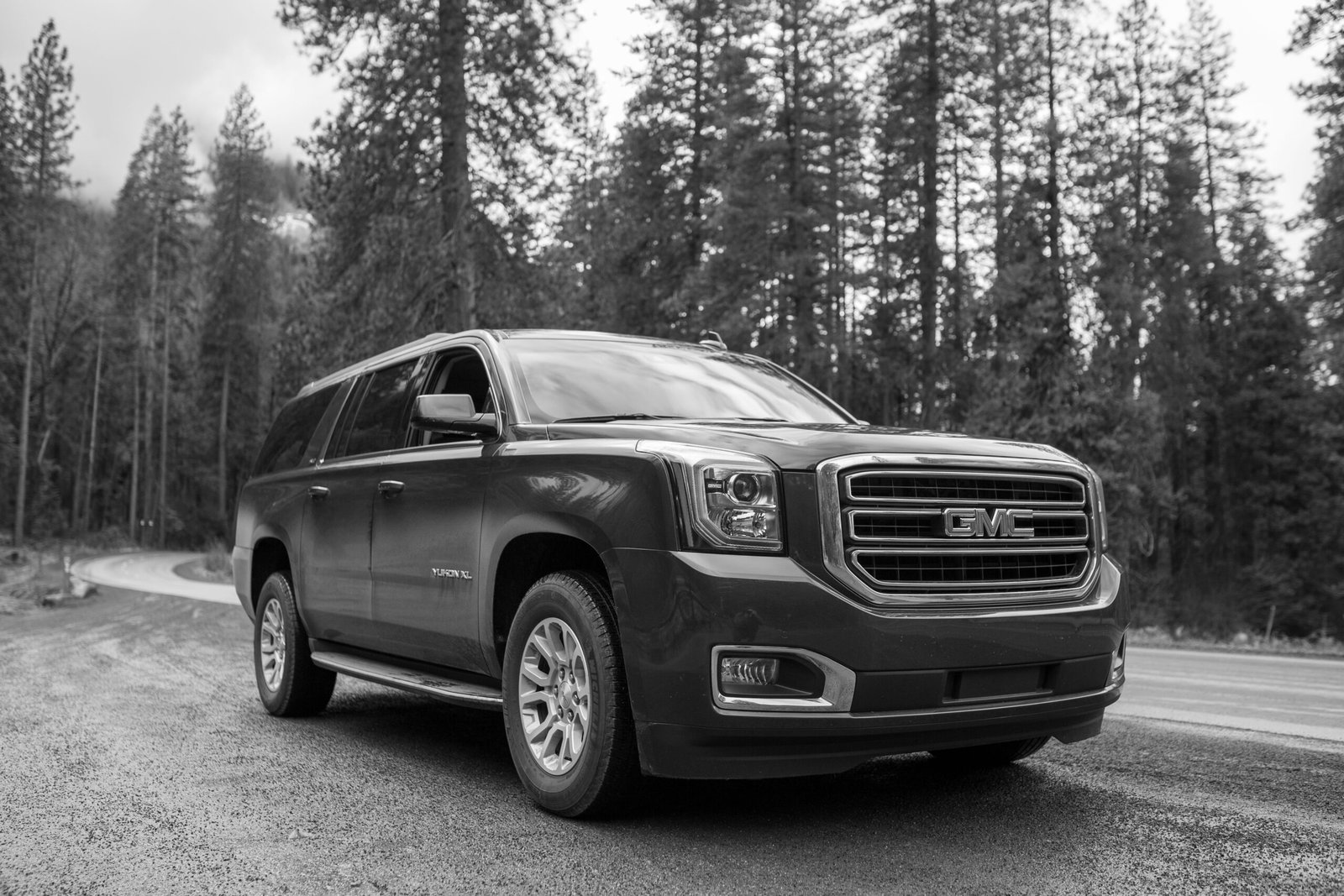
The GMC Yukon is a full-size SUV designed for drivers who need generous passenger space, strong performance, modern technology, and the ability to handle demanding journeys. Known for its commanding road presence and premium interior, the Yukon combines the practicality of a large family vehicle with the comfort and capability expected from a high-end SUV. It is particularly appealing to large families, frequent travelers, and drivers who regularly tow trailers, boats, or recreational equipment.
In 2026, the Yukon remains an important model in GMC’s SUV lineup. Its appeal comes from a combination of powerful engine options, three-row seating, substantial cargo capacity, available four-wheel drive, and advanced driver-assistance technology. Depending on the trim level, buyers can choose a vehicle focused on everyday comfort, off-road capability, or luxury.
When evaluating the 2026 GMC Yukon, we should consider more than its size and appearance. Engine performance, fuel consumption, interior configuration, technology, safety features, maintenance costs, and overall practicality all contribute to the ownership experience. Understanding these features helps buyers determine whether the Yukon is the right full-size SUV for their needs.
What Is the GMC Yukon?
The GMC Yukon is a large, body-on-frame sport utility vehicle manufactured by GMC, a division of General Motors. Its truck-based construction provides a foundation for towing, carrying passengers, and handling heavier loads. Unlike smaller crossover SUVs, the Yukon is built around a traditional frame, a design that supports its substantial size and utility.
The Yukon is closely related to the Chevrolet Tahoe, sharing important mechanical components and an underlying platform. However, GMC positions the Yukon with its own styling, interior presentation, equipment packages, and trim hierarchy. This gives buyers an alternative to the Tahoe when comparing full-size SUVs from the same automotive group.
The Yukon is also available in the Yukon XL configuration. This extended-length version provides additional space behind the third row and greater overall cargo capacity. Drivers who frequently travel with luggage, sports equipment, or several passengers may find the XL more practical than the standard model.
2026 GMC Yukon Design and Exterior Features
The 2026 GMC Yukon features a bold exterior that emphasizes strength, size, and sophistication. Its broad front grille, sculpted bodywork, distinctive lighting, and tall stance create a commanding appearance. The overall design communicates the Yukon’s full-size capabilities while maintaining the upscale character associated with GMC’s higher-end vehicles.
The front fascia is one of the SUV’s most recognizable design elements. Depending on the trim, grille finishes, lighting details, wheels, and exterior accents can vary considerably. These differences allow buyers to select a Yukon with a more traditional premium appearance or a sportier, darker visual style.
Its large dimensions offer practical advantages, including a spacious interior and substantial cargo area. However, the Yukon’s size also requires consideration when driving through narrow streets, entering parking garages, or maneuvering in crowded parking lots. Buyers who regularly drive in dense urban areas should pay attention to the vehicle’s overall length, width, turning requirements, and parking-assistance equipment.
The extended Yukon XL offers a longer body for people who prioritize passenger and luggage space. Although both versions deliver full-size SUV practicality, the XL is particularly useful for extended family trips, airport transportation, and situations where all three seating rows are regularly occupied.
Engine Performance, Towing Capacity, and Fuel Economy
Performance is a major reason buyers consider the GMC Yukon 2026. Its available engine lineup is designed to deliver the power required for a large SUV, whether the vehicle is carrying a full passenger load, traveling on the highway, or towing recreational equipment. Available powertrains vary by market and configuration, so we should always confirm the specifications for the particular model being considered.
The Yukon has traditionally offered V8 gasoline engines, including a 5.3-liter V8 and an available 6.2-liter V8 on selected configurations. A 3.0-liter Duramax turbo-diesel inline-six has also been offered, providing an alternative for drivers who prioritize low-speed torque and long-distance cruising efficiency. Availability can depend on model year, trim, and equipment.
The 5.3-liter V8 is a practical option for buyers seeking a balance of everyday performance and capability. The larger 6.2-liter V8 provides stronger output, making it attractive to drivers who want more acceleration and responsive highway performance. The diesel option appeals to people who regularly cover long distances or value the characteristics of a torque-focused engine.
Fuel economy deserves attention because a full-size SUV consumes more fuel than many smaller vehicles. Actual consumption varies with engine choice, traffic, speed, terrain, weather, and load. The diesel version may be attractive for certain long-distance driving patterns, while gasoline models offer their own performance advantages. Before buying, we recommend comparing official fuel-economy ratings with the expected daily driving routine.
Interior Comfort, Seating, and Cargo Space
The interior is one of the strongest selling points of the 2026 GMC Yukon SUV. Its large cabin is designed to accommodate families, passengers, and luggage without forcing buyers to move to a commercial-style vehicle. Depending on configuration, the Yukon can provide seating for up to eight people, although some layouts accommodate fewer passengers.
The first row is designed around driver and front-passenger comfort, with available power-adjustable seating and premium upholstery on selected trims. Higher equipment levels can add features such as heated and ventilated front seats, memory settings, upgraded interior materials, and additional comfort adjustments. These features are especially valuable when the vehicle is used for extended highway journeys.
Cargo capacity is another key advantage. With the rear seats in use, available luggage space varies between the standard Yukon and the longer Yukon XL. Folding the rear seats expands the cargo area for shopping, suitcases, camping supplies, and larger everyday items. The extended XL model is especially appealing when families need to carry passengers and luggage simultaneously.
Interior practicality also depends on storage compartments, cupholders, charging ports, and the ease of folding seats. Buyers should inspect these details alongside the headline cargo figures because they affect how conveniently the vehicle works in everyday life.
Technology, Infotainment, and Safety Features
Modern technology helps make the GMC Yukon more convenient for daily driving and long-distance travel. Depending on trim and equipment, the SUV can feature a large central infotainment display, digital driver information, smartphone integration, wireless connectivity, and multiple charging options. The precise screen sizes and available functions should be checked against the vehicle’s official specifications.
The infotainment system provides access to navigation, entertainment, vehicle settings, and compatible smartphone applications. Features such as Apple CarPlay and Android Auto availability should be verified for the exact model and market. Connected services may also depend on subscription plans, network coverage, and regional support.
Available premium audio equipment can improve the experience for passengers, while rear-seat entertainment options on selected configurations may help keep children occupied during long journeys. Multiple USB ports and convenient device storage can also be useful when several passengers travel together.
Before completing a purchase, we recommend checking the official safety information for the specific model year and configuration. A test drive should include adjusting the mirrors, checking visibility, testing the parking cameras, and learning how the vehicle’s alerts and assistance systems operate.
GMC Yukon Trims, Pricing, and Ownership Costs
The Yukon is offered in multiple trim levels, allowing buyers to choose different combinations of appearance, comfort, technology, and capability. The exact 2026 lineup and available equipment should be confirmed through GMC’s official configurator or a local dealership because trim names, packages, and specifications may vary by market.
At the more practical end of the range, a lower trim may provide the essential advantages of a large SUV without requiring buyers to pay for every premium feature. Higher trims generally emphasize upgraded cabin materials, additional convenience equipment, distinctive exterior details, and more advanced comfort features. Selected versions may focus on rugged styling or off-road-oriented equipment.
For buyers considering a used Yukon, a thorough inspection is essential. We recommend reviewing maintenance records, checking for accident history, inspecting tires and brakes, testing electronic features, and arranging an independent mechanical inspection. If towing has been a regular part of the vehicle’s previous use, the condition of relevant mechanical components deserves particular attention.
The best trim is the one that matches the owner’s actual needs. Paying for luxury features can make sense for drivers who value them daily, while a more modest configuration may provide better overall value for families primarily seeking space and capability.
Is the 2026 GMC Yukon Worth Buying?
The 2026 GMC Yukon can be an excellent choice for drivers who need a spacious, powerful, and versatile full-size SUV. Its principal strengths include three-row seating, substantial cargo capacity, available high-output engines, towing capability, and a range of comfort and technology features.
Families may appreciate the generous cabin, flexible seating, and ability to carry people and luggage on the same trip. Drivers who tow boats or trailers may value its available engine choices and truck-based construction. Buyers seeking a more premium experience can investigate the higher trims, while the Yukon XL provides an additional option for those who need more room.
Nevertheless, the Yukon is not the ideal vehicle for everyone. Its size can make parking and navigating narrow streets more difficult, and fuel costs can be significant. A smaller SUV may be more economical and easier to manage for drivers who rarely use three seating rows or need substantial towing capacity.
Ultimately, the Yukon is worth considering when space, capability, and comfort are more important than compact dimensions or minimal fuel consumption. A careful comparison of trims and ownership costs can help buyers choose a configuration that delivers the greatest practical value.
Frequently Asked Questions About the GMC Yukon
Is the GMC Yukon a luxury SUV?
The GMC Yukon is a premium full-size SUV. Higher trims, particularly Denali models, offer more luxurious materials, comfort features, and technology. Its positioning combines utility with an upscale driving experience.
How many people can the GMC Yukon seat?
Depending on the seating configuration, the Yukon can accommodate up to eight passengers. Some configurations have fewer seats, so buyers should check the exact interior layout before purchasing.
What is the difference between the Yukon and Yukon XL?
The main difference is body length. The Yukon XL is longer and provides additional cargo capacity, making it useful for families who regularly travel with passengers and luggage. The standard Yukon is easier to accommodate where parking space is limited.
Is the GMC Yukon good for towing?
Yes, properly equipped Yukon models are designed for towing substantial loads. However, the maximum capacity depends on the engine, drivetrain, configuration, and installed equipment. Always consult the official towing guide and stay within all vehicle and trailer weight limits.
Does the 2026 GMC Yukon offer four-wheel drive?
Four-wheel drive is available on selected configurations. Availability depends on the trim and market, so buyers should confirm the drivetrain of the specific vehicle they intend to purchase.
Is the GMC Yukon fuel-efficient?
The Yukon’s fuel consumption reflects its size, weight, and engine options. It generally uses more fuel than smaller crossover SUVs. Driving conditions and configuration affect actual results, so compare official ratings for the engines you are considering.
Should we buy the Yukon or Yukon XL?
Choose the standard Yukon if you want full-size SUV capability with a shorter overall body. Consider the Yukon XL if you regularly carry bulky luggage, travel with a full passenger load, or need additional cargo space behind the third row.
Conclusion
The GMC Yukon 2026 stands out as a versatile full-size SUV that combines passenger space, strong performance, practical cargo capacity, and available premium features. Its multiple configurations allow buyers to prioritize everyday family use, towing, technology, or luxury, while the extended Yukon XL offers even more room for demanding travel needs.
Before making a final decision, we should compare engine options, confirm towing specifications, inspect the available safety equipment, and calculate expected ownership expenses. A thorough test drive can reveal whether the seating, visibility, technology, and driving characteristics suit our requirements.
For buyers who need a capable three-row SUV with a commanding presence and a comfortable interior, the GMC Yukon deserves a place on the shortlist. The best model is ultimately the one that balances space, performance, features, and long-term value with the way we actually drive.

The US Attorney appeal Tony Bailey case has attracted attention because it raises important questions about federal sentencing laws, compassionate release, and second chances after incarceration. Anthony “Tony” Bailey, an Indiana man, was released from federal prison in 2024 after serving approximately 27 years, following a judge’s decision to reduce his sentence.
In June 2026, reports described a new legal challenge by federal prosecutors that could affect Bailey’s freedom. The dispute highlights a broader debate about whether courts can reduce lengthy prison sentences when changes in sentencing law mean that similar conduct might receive a different punishment today.
Who Is Tony Bailey?
Anthony Bailey is an Indiana resident whose criminal case dates back to serious offenses committed in 1997. He received a lengthy federal prison sentence and spent nearly three decades incarcerated before a judge granted a sentence reduction that allowed him to return to his community.
Following his release, Bailey began rebuilding his life outside prison. News reports published in June 2026 described him working as a city bus driver in Indianapolis and spending time with his children and grandchildren. His circumstances have brought public attention to questions about rehabilitation, punishment, and the purpose of long federal sentences.
What Is the US Attorney Appeal Against Tony Bailey?
The phrase US Attorney appeal Tony Bailey refers to the reported legal challenge by federal prosecutors seeking to overturn the sentence-reduction decision that enabled Bailey’s release. Prosecutors questioned whether the original judge had sufficient legal grounds to reduce his sentence under the federal compassionate-release framework.
An appeal or related court challenge asks a court to review a legal decision under the applicable procedural rules. Depending on the case and the court’s authority, the result could preserve the earlier ruling, overturn it, or require further proceedings. The exact legal consequences depend on the court record and any subsequent orders.
Why Was Tony Bailey Released From Prison in 2024?
Bailey’s release followed a federal judge’s decision to reduce his lengthy sentence to time served. Compassionate release is a legal mechanism under which federal courts may reduce an existing prison sentence when statutory requirements are satisfied and extraordinary and compelling reasons justify relief.
In some cases, arguments about the difference between older sentences and punishments imposed under later laws have become part of broader sentencing debates. Bailey’s case drew attention because his original sentence was extremely long and he had spent approximately 27 years in prison before his release. However, compassionate release is not automatic, and every application must be assessed under the governing law.
How Did the Supreme Court Ruling Affect the Case?
On May 28, 2026, the US Supreme Court issued its decision in Rutherford v. United States. The Court held that a sentencing disparity resulting from a change in law that Congress did not make retroactive cannot, by itself, qualify as an extraordinary and compelling reason for compassionate release under the relevant federal statute.
This ruling is relevant to cases in which sentence reductions rely substantially on the fact that a defendant would receive a lower sentence under a later law. It does not automatically decide every compassionate-release case, because courts must consider the applicable law and the specific facts and reasons supporting each request.
For Bailey, the Supreme Court decision became part of the wider legal debate surrounding the basis for his early release. The precise effect on his individual case must be established through the relevant court filings and orders rather than assumed from the Supreme Court ruling alone.
Could Tony Bailey Be Sent Back to Prison?
News reports published on June 23, 2026, stated that Bailey faced the possibility of returning to federal prison following the Supreme Court decision and a legal move by the Justice Department. The reported challenge raised concerns about whether his sentence reduction could remain in effect under the applicable legal standard.
However, the existence of a challenge does not itself establish the final outcome. Readers should distinguish between prosecutors requesting a reversal, a court issuing an order, and a final decision determining Bailey’s legal status. Without a verified, later court order, it would be misleading to claim that Bailey definitely returned to prison or that the challenge was definitively rejected.
Why the Tony Bailey Case Matters for Federal Sentencing
The case illustrates the tension between consistent sentencing rules and the possibility of rehabilitation. Supporters of sentence reductions often argue that people who demonstrate personal growth and successfully reintegrate into society deserve meaningful consideration, particularly after decades in prison.
On the other hand, federal prosecutors may argue that courts must follow statutory restrictions and cannot reduce sentences unless the legal requirements are met. The wider debate concerns the authority of judges, the role of Congress in changing sentencing laws, public safety, and how the justice system should handle exceptionally long sentences.
How to Find Reliable Updates on the Tony Bailey Appeal
Readers looking for the latest information should prioritize official court records and reliable reporting rather than social media summaries or articles that do not provide supporting documents. Court filings can clarify which party submitted a motion, what relief was requested, and whether a judge has issued a ruling.
The US Supreme Court’s official website provides the decision in Rutherford v. United States. Readers can also consult the federal court records associated with Bailey’s case in the Southern District of Indiana and check reputable news organizations for independently reported developments.
Frequently Asked Questions About the US Attorney Appeal Tony Bailey
Who is Tony Bailey?
Anthony “Tony” Bailey is an Indiana man who spent approximately 27 years in federal prison before a judge reduced his sentence in 2024. News coverage has focused on his release, his efforts to rebuild his life, and the subsequent legal challenge.
Why are prosecutors challenging his release?
Reports from June 2026 described a challenge concerning the legal basis for the sentence reduction. The dispute involves federal compassionate-release law and the limits on sentence reductions.
What was the Supreme Court’s decision in Rutherford v. United States?
On May 28, 2026, the Supreme Court held that a nonretroactive change in sentencing law cannot, by itself, establish an extraordinary and compelling reason for compassionate release.
Has Tony Bailey been sent back to prison?
The June 2026 reports described the possibility of his return to prison. A definitive answer requires verification of later court orders and the current status of his case.
Where can readers find official legal information?
The Supreme Court opinion is available on the official Supreme Court website. For Bailey’s individual case, readers should consult the relevant federal court docket and subsequent judicial orders.
Conclusion
The US Attorney appeal Tony Bailey case highlights the complex relationship between federal sentencing law, compassionate release, rehabilitation, and judicial authority. Bailey’s release after decades in prison, followed by a reported prosecutorial challenge in 2026, has made his situation an important example in the wider debate over lengthy federal sentences.
The most responsible way to follow the case is to separate reported developments from confirmed judicial decisions. Checking official court records and reliable news sources will help readers understand the legal issues without confusing a pending challenge with a final outcome.
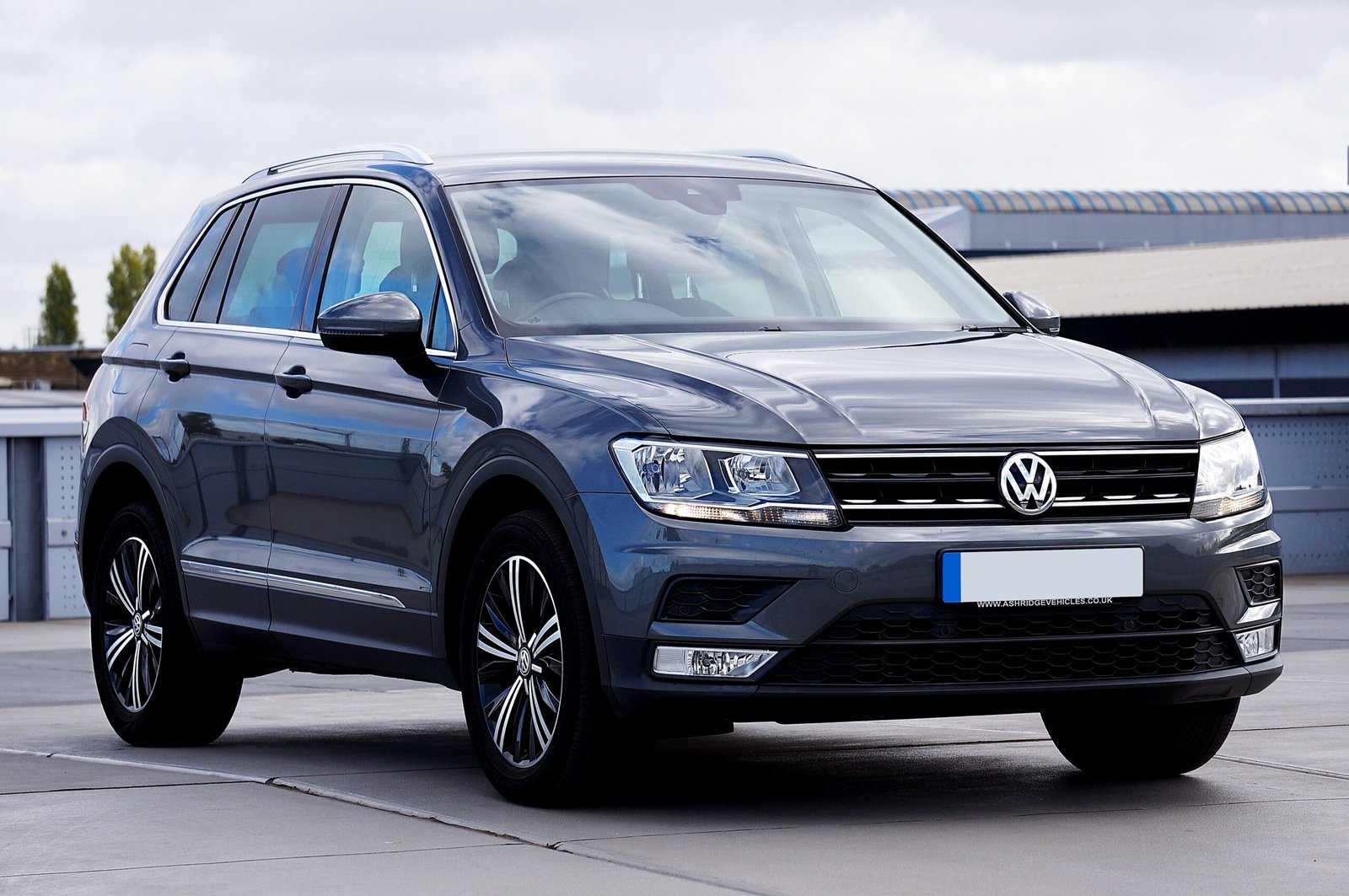
The VW Tiguan 2026 is a compact SUV designed for drivers who want a combination of comfort, modern technology, practical space, and everyday driving convenience. Produced by Volkswagen, the Tiguan has become an important model in the brand’s global SUV lineup, appealing to families, commuters, and drivers who prefer a versatile vehicle with a premium feel.
The 2026 Volkswagen Tiguan builds on the latest generation’s focus on improved styling, updated infotainment technology, comfortable seating, and efficient turbocharged performance. Its appeal comes from balancing everyday usability with features commonly associated with more expensive vehicles. Depending on the market and trim level, buyers may find different engines, equipment packages, and drivetrain configurations.
For anyone researching the 2026 VW Tiguan, understanding its design, engine options, interior, safety features, fuel economy, and ownership costs can make it easier to determine whether this SUV fits their needs. Specifications vary between markets, so buyers should confirm the exact features offered in their country before making a purchase.
VW Tiguan 2026: Exterior Design and Styling
The Volkswagen Tiguan 2026 features a contemporary SUV design that combines clean lines with a more confident road presence. Its sculpted bodywork, distinctive front styling, and carefully shaped lighting give it a modern appearance without moving too far away from Volkswagen’s understated design philosophy.
At the front, the Tiguan’s appearance varies according to trim, lighting package, and regional specification. LED headlights, a broad grille treatment, and sculpted bumper details help create a recognizable face. Higher equipment levels may offer additional lighting features and more distinctive exterior finishes.
The side profile emphasizes the SUV’s proportions, with defined wheel arches, a rising shoulder line, and alloy wheels that vary in size depending on the version. At the rear, modern lighting elements and a clean tailgate design give the vehicle a cohesive appearance.
Exterior color choices, wheel designs, roof equipment, and decorative details depend on the market. Buyers should therefore review the official specifications for their local model rather than assume every pictured feature comes standard.
Overall, the Tiguan’s styling is intended to appeal to drivers who want a vehicle that looks sophisticated enough for business use while remaining practical for family journeys, shopping trips, and weekend travel.
VW Tiguan 2026 Engine, Performance, and Driving Experience

Performance is an important part of the Tiguan’s appeal. In the United States, the 2026 model is offered with a turbocharged 2.0-liter four-cylinder gasoline engine. Volkswagen lists output at approximately 201 horsepower, paired with an eight-speed automatic transmission. Front-wheel drive and available 4MOTION all-wheel drive depend on the selected configuration.
The turbocharged engine is designed to deliver useful acceleration for city driving and highway merging. The automatic transmission manages gear changes without requiring the driver to operate a clutch, making the vehicle suitable for daily commuting and longer journeys.
Drivers can expect a balance between responsive performance and everyday comfort rather than the aggressive behavior of a dedicated performance SUV. Steering, suspension, and throttle response are designed to support ordinary road use, although the precise driving character depends on the trim, wheels, tires, and drivetrain.
The available 4MOTION all-wheel-drive system can provide additional traction in appropriate conditions, including wet roads and certain slippery surfaces. However, all-wheel drive does not eliminate the need for suitable tires or careful driving in snow, ice, and heavy rain.
Engine choices differ internationally. Some markets offer different petrol, diesel, mild-hybrid, or plug-in hybrid powertrains, depending on the model year and local lineup. Anyone comparing a European Tiguan with a U.S.-market version should check the relevant Volkswagen website because specifications and equipment are not necessarily interchangeable.
VW Tiguan 2026 Interior, Comfort, and Cargo Space
The 2026 VW Tiguan interior focuses on comfort, modern controls, and practical storage. Its cabin design combines a clean dashboard layout with digital displays and materials that vary by trim. The overall goal is to create a comfortable environment for everyday commuting while providing enough flexibility for family use.
A central infotainment display handles supported entertainment, navigation, and vehicle functions. Depending on equipment, drivers may also benefit from smartphone integration, wireless connectivity, and a digital instrument display. Because screen sizes and individual features can vary by configuration, buyers should check the equipment list for the exact vehicle they intend to purchase.
The seating layout is designed to accommodate five occupants in the U.S. model. Front-seat comfort, rear legroom, and available seat adjustments make the Tiguan suitable for everyday travel and longer road trips. Higher trims may include upgraded upholstery, heated seats, ventilated front seats, or other comfort features.
Cargo capacity is another important consideration. The rear storage area can accommodate groceries, luggage, sports equipment, and everyday family essentials. Folding the rear seats provides additional room for larger items, making the Tiguan more versatile when transporting furniture or travel gear.
Interior practicality also depends on details such as cupholders, door pockets, charging connections, and storage compartments. Families should consider bringing child seats or measuring bulky luggage before buying, especially if they frequently travel with several passengers.
VW Tiguan 2026 Technology, Safety, and Driver Assistance
Modern technology is a major part of the Tiguan’s appeal. Depending on trim and market, the 2026 model can offer a digital cockpit, touchscreen infotainment, smartphone connectivity, and driver-assistance systems intended to make driving more convenient.
Available safety and assistance features may include Forward Collision Warning, Automatic Emergency Braking, Blind Spot Monitoring, Lane Assist, and Adaptive Cruise Control. Exact names, availability, and operating capabilities vary by market and equipment package. Buyers should check the local specification sheet rather than assume every feature is standard.
These systems can help drivers recognize potential hazards, maintain awareness of nearby traffic, or manage speed and distance in certain conditions. Nevertheless, driver-assistance technology does not replace attentive driving. Drivers remain responsible for steering, braking, checking blind spots, and responding to changing road conditions.
Infotainment features can also improve convenience on daily journeys. Compatible smartphone integration provides access to supported apps, music, calls, and navigation. The availability of wireless connections, charging pads, premium audio, and advanced parking assistance depends on the selected version.
When evaluating safety, it is sensible to review the vehicle’s official safety information, check applicable crash-test results, and confirm which systems are included in the actual car. A well-equipped Tiguan can offer a useful combination of technology and driver support, but its overall safety depends on vehicle configuration, road conditions, maintenance, and responsible driving.
VW Tiguan 2026 Fuel Economy, Price, and Ownership Costs
Fuel economy and purchase price are important factors when comparing the VW Tiguan with other compact SUVs. Actual running costs depend on the engine, drivetrain, trim, local fuel prices, insurance, and driving habits.
The U.S. model’s turbocharged gasoline engine is designed to balance useful performance with everyday efficiency. Front-wheel-drive and all-wheel-drive versions may have different fuel-economy ratings. For accurate figures, buyers should consult the official Volkswagen Tiguan website and the applicable government fuel-economy database.
The 2026 VW Tiguan price also varies by market and equipment. Higher trims generally cost more because they may include upgraded seats, larger wheels, additional driver-assistance technology, and enhanced interior features. Taxes, dealer fees, destination charges, and optional packages can increase the final purchase price.
Ownership costs should include more than the initial payment. Consider routine servicing, tires, brakes, insurance, fuel, and potential repair expenses. Before buying a used or new vehicle, compare the warranty terms and scheduled maintenance requirements available in your region.
A sensible approach is to compare the total cost of ownership over several years instead of focusing only on the advertised price. This helps determine whether the Tiguan fits your budget and driving needs.
Is the 2026 Volkswagen Tiguan Worth Buying?
The 2026 Volkswagen Tiguan is worth considering for drivers who want a modern compact SUV with a comfortable cabin, practical cargo space, turbocharged performance, and contemporary technology. It can suit small families, commuters, and drivers who need one vehicle for everyday errands and longer journeys.
Its main advantages include a refined design, flexible interior, useful infotainment features, and available all-wheel drive. However, buyers should also compare its price, fuel economy, warranty, and standard equipment with alternatives such as the Honda CR-V, Toyota RAV4, Hyundai Tucson, and Mazda CX-5.
Before making a decision, take a test drive, check the rear-seat space, test the infotainment controls, and review the exact safety equipment included in your preferred trim. These steps will help you determine whether the Tiguan offers the right balance of comfort, practicality, and value.
Frequently asked questions
Is the VW Tiguan 2026 a five-seater?
The U.S. version is designed to seat five people. Seating configurations may differ by market and model generation.
Does the 2026 Tiguan have all-wheel drive?
Yes, available 4MOTION all-wheel drive is offered on certain configurations, depending on the market.
What engine does the 2026 VW Tiguan use?
The U.S. version uses a turbocharged 2.0-liter four-cylinder gasoline engine. Other countries may offer different powertrains.
Is the VW Tiguan good for families?
Its five-seat layout, flexible cargo area, and available comfort and safety features make it a practical option for many small families.
What is the price of the VW Tiguan 2026?
The price depends on the country, trim, optional equipment, taxes, and dealer charges. Check your local Volkswagen website for current pricing.
Conclusion
The VW Tiguan 2026 combines contemporary styling, comfortable seating, useful technology, and versatile SUV practicality. Its turbocharged performance and available all-wheel drive make it suitable for a variety of everyday driving needs. By comparing trims, checking local specifications, and calculating ownership costs, buyers can decide whether the Tiguan is the right compact SUV for them.
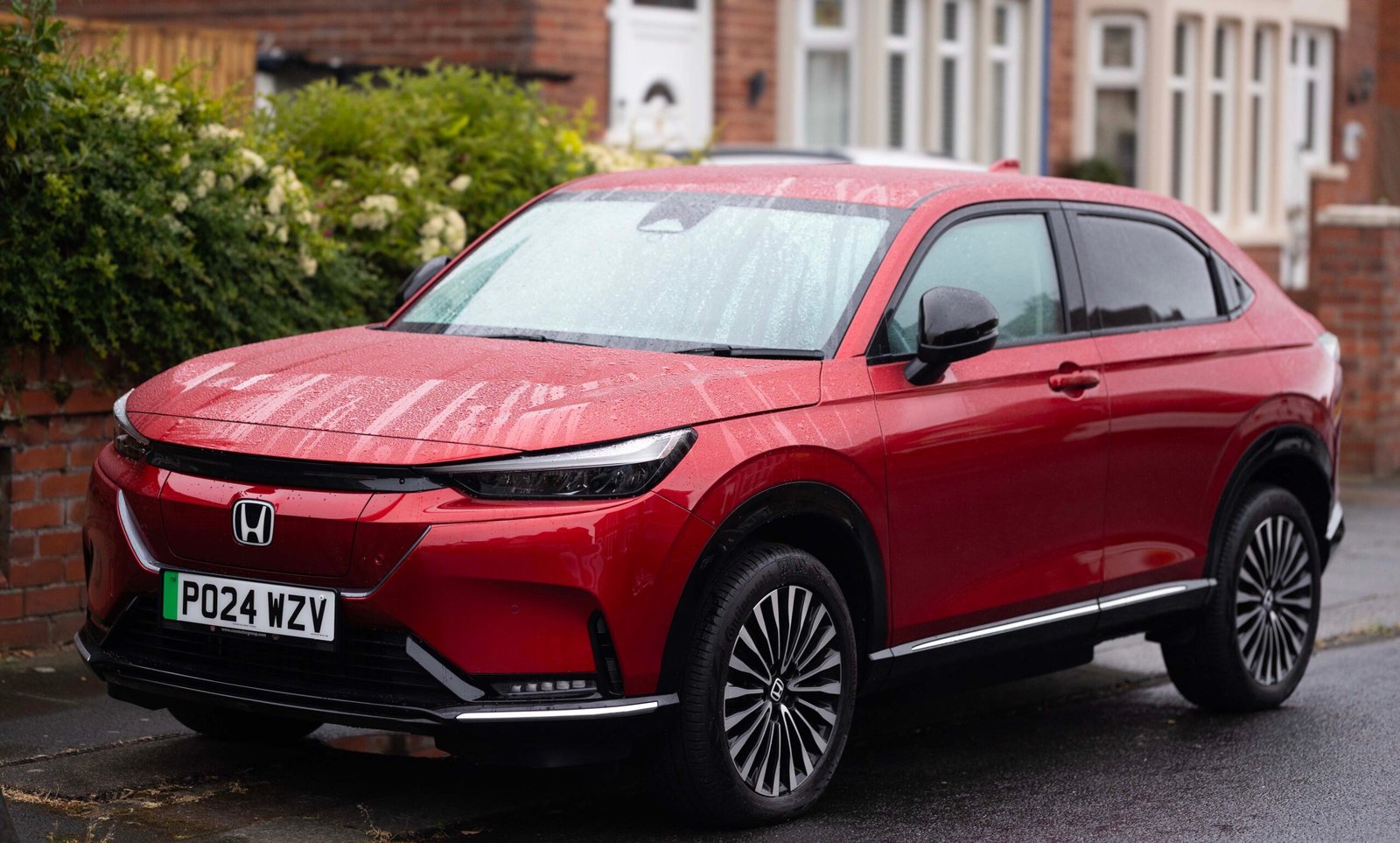
The Honda CR-V Hybrid 2026 is a practical compact SUV that combines fuel-efficient hybrid technology, comfortable seating, versatile cargo space, and everyday driving convenience. Designed for families, commuters, and drivers who want to reduce fuel consumption without sacrificing the usefulness of an SUV, the CR-V Hybrid offers a compelling balance of performance, comfort, and efficiency. Its combination of a gasoline engine and electric motors helps deliver smooth acceleration and improved fuel economy, particularly in city driving.
For buyers researching the 2026 Honda CR-V Hybrid, the most important considerations include fuel efficiency, available trim levels, interior space, safety features, performance, and ownership costs. The model builds on the CR-V’s reputation for practicality while offering a hybrid powertrain that reduces reliance on gasoline. Depending on the trim and drivetrain, buyers can choose features that emphasize affordability, convenience, sporty styling, or premium comfort.
The Honda CR-V Hybrid competes with other popular hybrid SUVs, including the Toyota RAV4 Hybrid and Mazda CX-50 Hybrid. Its strongest appeal is its well-rounded character: it is designed to handle daily commuting, family trips, shopping, and highway travel without making efficiency the only priority. Understanding its specifications and available equipment can help us determine whether this hybrid SUV suits our needs in 2026.
Honda CR-V Hybrid 2026: Overview and Key Specifications
The 2026 Honda CR-V Hybrid combines the familiar CR-V body style with a two-motor hybrid system. In the United States, the hybrid lineup uses a 2.0-liter four-cylinder gasoline engine paired with electric motors and a lithium-ion battery. The system is designed to balance responsive acceleration with fuel-efficient operation.
Here is a general overview of the US-market model. Equipment and specifications can vary by trim, drivetrain, and market.
| Feature | 2026 Honda CR-V Hybrid |
|---|---|
| Vehicle class | Compact hybrid SUV |
| Seating capacity | 5 passengers |
| Gasoline engine | 2.0-liter four-cylinder |
| Total system output | 204 horsepower |
| Transmission | Electronic continuously variable transmission (e-CVT) |
| Drivetrain | Front-wheel drive or available all-wheel drive, depending on trim |
| Hybrid battery | Lithium-ion |
| Main purpose | Efficiency, comfort, and everyday practicality |
| Fuel type | Gasoline and electric hybrid system |
One major advantage of the CR-V Hybrid is that it does not need to be plugged into an external charger. Its battery is recharged through the hybrid system, including regenerative braking. This makes it convenient for drivers who want hybrid efficiency without installing home charging equipment or planning charging stops.
The exact features included in the 2026 model depend on the selected trim. Before purchasing, we should confirm the specifications, equipment, and pricing for the vehicle offered by the local Honda dealer.
2026 Honda CR-V Hybrid Price and Available Trim Levels
The Honda CR-V Hybrid price depends on the trim, drivetrain, optional equipment, destination charges, and dealer pricing. For the US market, Honda lists several hybrid versions, ranging from the value-focused Sport Hybrid to the more premium Sport Touring Hybrid.
| Hybrid trim | Starting MSRP* | Main highlights |
|---|---|---|
| Sport Hybrid | $35,630 | Sport styling, heated front seats, hybrid powertrain |
| TrailSport Hybrid | $38,800 | Standard AWD, all-terrain tires, rugged styling |
| Sport-L Hybrid | $38,725 | Leather-trimmed seats, power tailgate |
| Sport Touring Hybrid | $42,250 | Standard AWD, Bose audio, Google built-in |
*US-market manufacturer pricing before destination charges, taxes, registration, and optional equipment. Verify current pricing with Honda because dealer offers and published prices can change.
The Sport Hybrid is a sensible starting point for buyers who want improved fuel economy and useful everyday features. The Sport-L Hybrid adds a more premium cabin, while the TrailSport Hybrid offers standard all-wheel drive and styling intended for drivers who occasionally travel on rougher roads. The Sport Touring Hybrid sits near the top of the lineup, adding features such as a Bose premium sound system, Google built-in, and a hands-free power tailgate.
When comparing trims, we should consider the complete purchase price rather than just the advertised starting figure. Financing, insurance, maintenance, local taxes, and fuel savings can affect the overall cost of ownership.
Honda CR-V Hybrid MPG and Driving Performance
Fuel economy is one of the strongest reasons to consider the 2026 Honda CR-V Hybrid. According to Honda’s published EPA ratings, the front-wheel-drive Sport Hybrid and Sport-L Hybrid achieve an estimated 43 mpg city, 36 mpg highway, and 40 mpg combined. All-wheel-drive versions of the Sport Hybrid, Sport-L Hybrid, and Sport Touring Hybrid are rated at approximately 40 mpg city, 34 mpg highway, and 37 mpg combined. The TrailSport Hybrid is rated at 38 mpg city, 33 mpg highway, and 35 mpg combined.
The hybrid system combines a 2.0-liter gasoline engine with electric motors to deliver 204 horsepower. Electric assistance helps the SUV accelerate smoothly, while regenerative braking recovers some energy that would otherwise be lost during deceleration. Because the battery recharges while driving, there is no need to plug the vehicle into a charging station.
Actual fuel economy varies with traffic, temperature, terrain, driving habits, tire pressure, and the use of climate control. Drivers who frequently encounter stop-and-go traffic may benefit from hybrid operation, although highway results and individual experiences will differ.
The CR-V Hybrid is designed primarily for everyday road use rather than serious off-roading or heavy towing. Its smooth power delivery and balanced ride make it suitable for commuting, family errands, and longer journeys. Buyers who need to tow substantial loads should check the exact towing limit for their chosen configuration before purchasing.
Interior Comfort, Cargo Space, and Technology
The Honda CR-V Hybrid interior focuses on comfort, practicality, and easy-to-use controls. Its five-passenger cabin provides seating for families and enough flexibility for daily commuting, grocery shopping, and weekend travel. The rear seats fold down to accommodate larger items, while the cargo area makes the SUV useful for luggage, sports equipment, and everyday essentials.
Depending on the trim, features can include heated front seats, a power-adjustable driver’s seat, leather-trimmed upholstery, dual-zone automatic climate control, and a power tailgate. The Sport Touring Hybrid adds premium conveniences, including a Bose audio system and Google built-in. Wireless Apple CarPlay and Android Auto compatibility are also available across the hybrid lineup.
The dashboard combines a central touchscreen with a practical control layout. A digital instrument display on selected trims provides driving information, while USB ports and available wireless phone charging help keep devices connected.
For families, the CR-V Hybrid’s main advantage is its versatility. It offers a comfortable seating arrangement without the size and bulk of a full-size SUV. Before buying, we should test the driver’s seating position, rear-seat access, child-seat installation, and cargo capacity to ensure the vehicle fits our particular needs.
Safety Features and Honda CR-V Hybrid Reliability
Safety is an important consideration when choosing a family SUV. The 2026 Honda CR-V includes Honda Sensing driver-assistance technology, with features such as the Collision Mitigation Braking System, Road Departure Mitigation System, Adaptive Cruise Control with Low-Speed Follow, and Lane Keeping Assist System. Blind Spot Information and Cross Traffic Monitor are also listed among the hybrid model’s features.
These systems can help drivers monitor traffic and respond to certain hazards, but they do not replace attentive driving. Their operation can depend on road conditions, visibility, sensors, and other factors. We should review the owner’s manual to understand their limitations and verify the equipment fitted to the specific vehicle.
Honda has an established reputation for producing practical vehicles, but long-term reliability depends on maintenance, driving conditions, and the individual vehicle. Buyers should follow the recommended service schedule, inspect tires and brakes regularly, and keep up with any applicable software updates or recalls.
For used hybrid CR-V models, it is especially important to review the service history and have the vehicle inspected by a qualified technician. A professional inspection can help identify mechanical issues and assess the condition of hybrid-system components.
Is the 2026 Honda CR-V Hybrid Worth Buying?
The CR-V Hybrid is a strong option for drivers who want a spacious compact SUV with good fuel economy, useful technology, and comfortable road manners. Its principal advantages include an efficient hybrid powertrain, practical interior, flexible cargo space, and a range of trims suited to different budgets and preferences.
However, buyers should also consider the higher starting price compared with some conventional gasoline-powered SUVs. Those who regularly drive long highway distances may experience a smaller fuel-saving advantage than drivers who spend more time in urban traffic. The TrailSport Hybrid’s all-terrain tires and rugged appearance also do not make it a substitute for a dedicated off-road vehicle.
When comparing it with the Toyota RAV4 Hybrid or Mazda CX-50 Hybrid, we should evaluate driving comfort, cabin space, equipment, fuel economy, warranty coverage, and final purchase price. The best choice is the vehicle that meets our daily needs while remaining affordable over the years we intend to own it.
Frequently Asked Questions
1. What is the fuel economy of the 2026 Honda CR-V Hybrid?
EPA estimates range from 35 mpg combined for the TrailSport Hybrid to 40 mpg combined for certain front-wheel-drive versions. AWD hybrid trims generally deliver 35–37 mpg combined, depending on configuration.
2. How much horsepower does the Honda CR-V Hybrid have?
The hybrid powertrain produces a combined system output of 204 horsepower.
3. Does the Honda CR-V Hybrid need to be plugged in?
No. It is a conventional hybrid that recharges its battery through the vehicle’s powertrain and regenerative braking.
4. How many people can the CR-V Hybrid seat?
It accommodates five passengers, with two front seats and a three-person rear bench.
5. Is the 2026 Honda CR-V Hybrid available with AWD?
Yes. All-wheel drive is available on several hybrid trims and is standard on the TrailSport Hybrid and Sport Touring Hybrid in the US lineup. Confirm the specification for the exact vehicle.
Conclusion
The 2026 Honda CR-V Hybrid combines fuel efficiency, 204-horsepower performance, a spacious cabin, and useful driver-assistance features in a versatile compact SUV. Its different trim levels allow buyers to prioritize value, rugged styling, interior comfort, or premium technology.
For commuters and families seeking a hybrid SUV without the need for external charging, the CR-V Hybrid deserves serious consideration. Comparing its fuel economy, features, and complete ownership costs with competing models will help us make a confident decision.

Violin Lessons: A Complete Guide for Beginners, Adults, and Children

Pegula: Jessica Pegula’s Tennis Career, Rankings, Grand Slam Success, and Life in 2026

US Attorney Appeal Tony Bailey: Case Background, Legal Issues, and Latest Updates in 2026

Playing Game Site PlayBattleSquare (2026): Complete Guide to Features, Gameplay, Community, and Gaming Experience

Is Mychael Schnell Married? (2026) Everything We Know About the Journalist’s Personal Life, Career, and Background

The #Thriftyevents.net: A Complete Guide to Affordable Event Planning and Budget-Friendly Celebrations in 2026
 Gaming4 months ago
Playing Game Site PlayBattleSquare (2026): Complete Guide to Features, Gameplay, Community, and Gaming Experience
- Celebrity4 months ago
Is Mychael Schnell Married? (2026) Everything We Know About the Journalist’s Personal Life, Career, and Background
- Blog4 months ago
The #Thriftyevents.net: A Complete Guide to Affordable Event Planning and Budget-Friendly Celebrations in 2026
- Celebrity4 months ago
Isaac Ortega: Biography, Career, Achievements, and Growing Influence
- Technology4 months ago
Slylar Box: A Complete Guide to Features, Benefits, Uses, and What You Should Know
- Food3 months ago
Best Calçots with Romesco Near Me: The Ultimate 2026 Guide to Finding Authentic Catalan Grilled Onions
- Fashion4 months ago
www.redandwhitemagzcom: A Complete Guide to the Digital Magazine Platform in 2026
- Entertainment4 months ago
Buffstreams: Everything You Need to Know About the Popular Sports Streaming Platform