Connect with us

Food

Best Caldereta de Cordero Near Me: The Ultimate 2026 Guide to Finding Authentic Lamb Caldereta

Published

on

Best Caldereta de Cordero Near Me

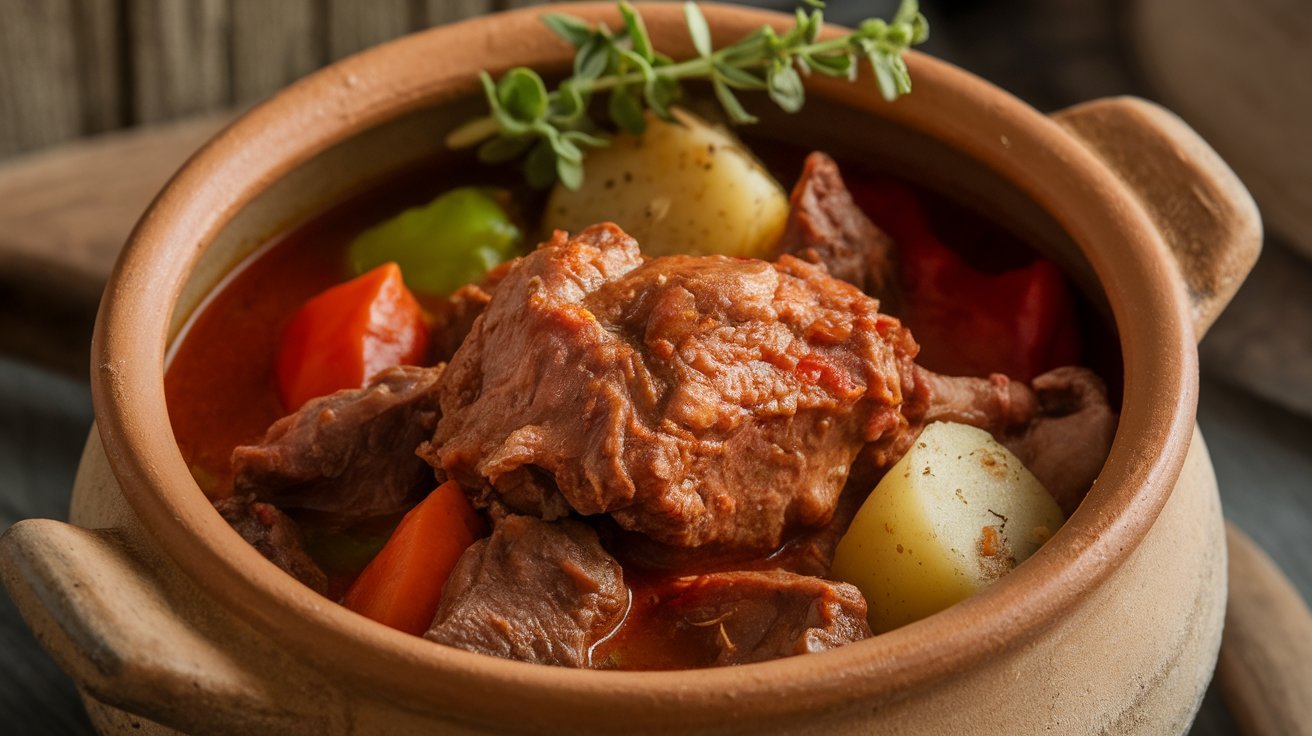
If you’re searching for the best Caldereta de Cordero near me,” you’re likely looking to enjoy one of the most flavorful and comforting dishes in Spanish and Latin-inspired cuisine. Caldereta de Cordero, or Lamb Caldereta, is a traditional slow-cooked lamb stew celebrated for its rich tomato-based sauce, tender meat, aromatic herbs, and hearty vegetables. Known for its deep, savory flavor and rustic preparation, this classic dish is a favorite for family gatherings, festive occasions, and comforting weekend meals.

As authentic regional cuisine continues to gain popularity in 2026, more restaurants, Spanish taverns, and specialty eateries are adding Caldereta de Cordero to their menus. This complete guide explores everything you need to know about this traditional lamb stew, where to find the best versions near you, and how to identify an authentic recipe.

What Is Caldereta de Cordero?

Caldereta de Cordero is a traditional lamb stew prepared by slowly simmering lamb with vegetables, herbs, garlic, wine, and a rich tomato-based sauce. The slow-cooking process allows the meat to become incredibly tender while absorbing the flavors of the broth and seasonings.

Traditional ingredients often include:

  • Lamb shoulder or leg
  • Tomatoes
  • Onions
  • Garlic
  • Bell peppers
  • Potatoes
  • Carrots
  • Extra virgin olive oil
  • White or red wine
  • Bay leaves
  • Paprika
  • Rosemary
  • Thyme
  • Salt and black pepper

Some regional recipes may also include:

  • Green peas
  • Mushrooms
  • Chorizo
  • Red chili peppers
  • Fresh parsley
  • Chicken or beef stock

The finished stew is rich, aromatic, and perfect for serving with crusty bread or rice.

Why Caldereta de Cordero Is So Popular in 2026

The growing appreciation for traditional slow-cooked meals has made Caldereta de Cordero increasingly popular among food enthusiasts.

Its appeal comes from several qualities:

  • Tender, slow-cooked lamb
  • Rich, savory tomato sauce
  • Fresh herbs and vegetables
  • Traditional Spanish cooking techniques
  • Comforting and satisfying flavor
  • Ideal for family dinners and celebrations

Modern diners appreciate dishes that combine authentic recipes with wholesome ingredients, and Caldereta de Cordero perfectly reflects those values.

How to Find the Best Caldereta de Cordero Near Me

Finding an authentic Caldereta de Cordero is easier than ever thanks to the expanding popularity of Spanish and Mediterranean cuisine.

Spanish Restaurants

Traditional Spanish restaurants are the best place to experience authentic Lamb Caldereta.

Look for establishments specializing in:

  • Spanish cuisine
  • Mediterranean cuisine
  • Regional Iberian dishes
  • Traditional family recipes

Mediterranean Restaurants

Many Mediterranean restaurants feature lamb stews inspired by Spanish culinary traditions.

Family-Owned Restaurants

Locally owned restaurants often prepare homemade Caldereta using recipes passed down through generations.

Specialty Catering Services

Some catering companies include Caldereta de Cordero in holiday menus, weddings, and special event packages.

What Makes Authentic Caldereta de Cordero Special?

Authentic Caldereta de Cordero stands apart because of its emphasis on quality ingredients and slow cooking.

Premium Lamb

Traditional recipes use well-marbled lamb that becomes exceptionally tender after slow simmering.

Fresh Vegetables

Ripe tomatoes, onions, peppers, carrots, and potatoes create a naturally rich and balanced sauce.

Slow Cooking

The stew is gently cooked over low heat, allowing the flavors to fully develop.

Traditional Herbs

Fresh rosemary, thyme, bay leaves, and paprika provide aromatic depth without overpowering the lamb.

Balanced Seasoning

Authentic recipes focus on enhancing the natural flavors rather than masking them with excessive spices.

Regional Variations of Caldereta de Cordero

Although the classic version remains the most recognizable, several regional styles exist.

Traditional Spanish Caldereta

This version commonly includes:

  • Lamb
  • Tomatoes
  • Garlic
  • Onions
  • Olive oil
  • White wine
  • Paprika
  • Fresh herbs

It is known for its rustic flavor and rich broth.

Castilian Style

Recipes from central Spain often emphasize:

  • Slow-braised lamb
  • Potatoes
  • Garlic
  • Bay leaves
  • Local herbs

The result is a hearty countryside stew.

Extremadura Variation

Some versions feature:

  • Smoked paprika
  • Peppers
  • Local wines
  • Rustic vegetables

These ingredients create a deeper, smoky flavor profile.

Modern Restaurant Interpretations

Many chefs now serve Caldereta de Cordero with:

  • Creamy mashed potatoes
  • Buttered vegetables
  • Herb-infused rice
  • Artisan bread
  • Seasonal roasted vegetables

These presentations modernize the dish while preserving its traditional essence.

How to Choose the Best Caldereta de Cordero Near You

When searching for the best Caldereta de Cordero near me, consider the following qualities.

Fresh Daily Preparation

Restaurants preparing the stew fresh each day generally offer superior flavor and texture.

Quality Ingredients

Look for menus highlighting:

  • Fresh lamb
  • Seasonal vegetables
  • Extra virgin olive oil
  • Homemade stock
  • Fresh herbs

Excellent Customer Reviews

Positive reviews frequently mention:

  • Tender lamb
  • Rich sauce
  • Authentic Spanish taste
  • Homemade quality
  • Generous portions

Traditional Menu Selection

Restaurants offering classics such as Paella, Pollo al Chilindrón, Gazpacho, Fabada Asturiana, and Croquetas are often committed to authentic Spanish cuisine.

Best Side Dishes to Serve with Caldereta de Cordero

This hearty stew pairs wonderfully with classic accompaniments.

Popular choices include:

  • Crusty artisan bread
  • Spanish rice
  • Roasted potatoes
  • Mashed potatoes
  • Grilled vegetables
  • Green beans
  • Garden salad
  • Buttered carrots
  • Steamed asparagus
  • Roasted peppers

These sides complement the rich flavors of the lamb while creating a complete and satisfying meal.

Tips for Ordering the Best Caldereta de Cordero

For the best dining experience, keep these recommendations in mind:

  • Visit restaurants specializing in authentic Spanish cuisine.
  • Ask whether the stew is slow-cooked in-house.
  • Choose establishments using fresh herbs and seasonal vegetables.
  • Read recent customer reviews before dining.
  • Pair the stew with traditional Spanish side dishes.
  • Reserve ahead during weekends or holidays if the restaurant is popular.
  • Enjoy the dish freshly served while hot for the fullest flavor.

These simple steps can help you experience Caldereta de Cordero at its very best.

Frequently Asked Questions

What is Caldereta de Cordero?

Caldereta de Cordero is a traditional Spanish lamb stew made with slow-cooked lamb, tomatoes, onions, garlic, vegetables, herbs, olive oil, and often wine.

Where can I find the best Caldereta de Cordero near me?

You can typically find it at Spanish restaurants, Mediterranean restaurants, family-owned eateries, specialty catering services, and restaurants serving traditional Iberian cuisine.

Is Caldereta de Cordero spicy?

No. Most traditional recipes are savory and aromatic rather than spicy. Paprika adds warmth and depth without excessive heat.

What side dishes pair well with Caldereta de Cordero?

Popular accompaniments include crusty bread, roasted potatoes, rice, grilled vegetables, green salads, and seasonal vegetables.

Can Caldereta de Cordero be prepared in advance?

Yes. Many chefs believe the stew tastes even better the next day because the flavors continue to develop after resting.

Conclusion

Finding the best Caldereta de Cordero near me is an excellent way to experience one of the most cherished dishes in Spanish culinary tradition. Whether enjoyed at a traditional Spanish restaurant, a Mediterranean bistro, or a family-owned establishment, this hearty stew offers an unforgettable combination of tender slow-cooked lamb, rich tomato sauce, fresh vegetables, aromatic herbs, and premium olive oil. By choosing restaurants that emphasize authentic recipes, high-quality ingredients, and traditional cooking techniques, you can enjoy a meal that reflects the warmth and heritage of Spanish cuisine. In 2026, Caldereta de Cordero remains a timeless comfort food that continues to delight diners with its bold flavors, rustic charm, and satisfying presentation.

Continue Reading

Food

Foodies Corner That-Bites.org: A Complete Guide to Recipes, Food Trends, Global Cuisine, and Healthy Cooking in 2026

Published

on

Foodies Corner That-Bites.org

Food has always been more than something we eat. It connects people with culture, tradition, creativity, travel, health, and everyday life. In 2026, food websites are increasingly becoming digital destinations where readers can discover recipes, learn cooking techniques, explore restaurants, understand culinary traditions, and find practical ideas for healthier meals. Foodies Corner That-Bites.org is designed around this broader food experience.

The official That-Bites.org homepage describes the platform as a guide to food adventures, global cuisines, and healthy cooking tips. Its content is organized into sections including Foodies Corner, Travelling ‘Round the World, What’s Cooking?, Healthy Kitchen, and Tech Chef. Foodies Corner focuses particularly on recipes, food trends, and culinary tips intended to inspire people who enjoy cooking and discovering new flavors.

Rather than treating food as a single subject, the website brings together different aspects of the culinary world. That makes Foodies Corner That-Bites.org relevant to beginners looking for simple ideas as well as experienced food lovers searching for new inspiration.

What Is Foodies Corner That-Bites.org?

Foodies Corner is one of the principal content categories on That-Bites.org. The official website describes the section as a destination for people who “live to eat,” with content covering recipes, food trends, and culinary tips.

The broader website explains its purpose as combining the art of cooking with the excitement of exploration. Readers can move from an individual recipe to a discussion about a particular cuisine, discover a food-related travel story, or learn a healthier approach to preparing familiar dishes.

This broad approach gives Foodies Corner a useful position within the site’s overall structure. Someone searching for a specific cooking idea may find a recipe, while someone interested in the story behind a dish can explore the site’s international cuisine material.

The website’s current Foodies Corner listings include subjects such as holiday hosting, breakfast recommendations, rice texture and sushi preparation, and coffee for espresso, showing that the category covers both practical cooking questions and broader food interests.

Recipes, Cooking Tips, and Everyday Kitchen Inspiration

One of the most useful aspects of Foodies Corner That-Bites.org is its emphasis on practical food information. Cooking successfully often depends on details that go beyond simply following a list of ingredients. Temperature, timing, texture, preparation methods, ingredient quality, and equipment can all affect the final result.

Articles focused on these subjects can help home cooks develop a better understanding of why recipes work rather than merely copying instructions. For example, the site’s Foodies Corner listings include an article examining how rice texture affects maki consistency, as well as a guide addressing whether different coffee varieties can be used for espresso.

This type of content can be valuable for both beginners and experienced cooks. A beginner may learn a new technique, while an experienced home chef may discover a small adjustment that improves an existing recipe.

Food content can also make everyday meal planning easier. Readers can use recipes and cooking tips as starting points, then adapt them according to available ingredients, dietary preferences, cooking equipment, or the number of people being served.

Exploring Global Cuisine Through That-Bites.org

Food is one of the easiest ways to explore another culture without physically traveling. That-Bites.org recognizes this through its Travelling ‘Round the World section, which explores global cuisines and the traditions and stories behind different culinary cultures.

The site’s current content includes topics such as different culinary cultures, Vietnamese food in New York City, ancient grains, and international foodie gifts.

This international perspective adds depth to the Foodies Corner experience. A dish is rarely just a combination of ingredients. Its preparation may reflect geography, history, family traditions, religious customs, local agriculture, and migration.

Learning about these connections can make cooking more meaningful. Instead of viewing an unfamiliar ingredient as simply something to add to a recipe, readers can understand how it is traditionally used and why particular combinations of flavors have developed.

For adventurous food lovers, this creates an opportunity to experiment with new cuisines while developing greater appreciation for culinary diversity.

Healthy Kitchen and Better Food Choices

Foodies Corner is also connected to a broader Healthy Kitchen section. The official website describes Healthy Kitchen as a place for wholesome recipes and practical cooking advice aimed at balancing nutrition with enjoyment.

Healthy cooking does not necessarily mean abandoning flavor. Good food can be nutritious and satisfying at the same time. Simple changes such as increasing vegetables, choosing appropriate cooking methods, managing portion sizes, and paying attention to ingredients can make everyday meals more balanced.

The website currently includes material about cross-contamination in home kitchens, demonstrating that healthy food content can involve both nutrition and food safety.

Food safety is especially important because even a nutritious recipe can become problematic if ingredients are stored incorrectly or prepared in a way that allows harmful microorganisms to spread. Understanding cross-contamination, hygiene, storage, and safe preparation is therefore an essential part of responsible home cooking.

What Makes Foodies Corner Useful in 2026?

The food landscape in 2026 is influenced by several major trends. Consumers are increasingly interested in international cuisine, healthier ingredients, convenient cooking, restaurant discovery, sustainability, kitchen technology, and personalized food experiences.

That-Bites.org reflects several of these interests through its different content categories. Alongside Foodies Corner and Healthy Kitchen, the site includes Tech Chef, which focuses on cooking technology such as kitchen gadgets, cooking applications, and smart appliances.

The combination is particularly relevant to modern home cooks. Technology can make cooking easier through recipe applications, smart appliances, digital timers, temperature monitoring, and automated cooking functions. However, technology works best when combined with fundamental culinary knowledge.

Foodies Corner can therefore be viewed as part of a wider food-information ecosystem in which recipes, culinary education, travel, health, and technology intersect.

How to Get the Most From Foodies Corner That-Bites.org

Readers can use Foodies Corner That-Bites.org in several ways. Someone who wants immediate meal inspiration can begin with the recipe and cooking content. A reader interested in restaurants can explore food-related destination articles. Someone trying to improve their diet can move toward Healthy Kitchen, while technology enthusiasts can investigate Tech Chef.

The best approach is to treat online food information as inspiration and education, rather than assuming every recommendation will work identically in every kitchen. Cooking equipment varies, ingredient brands differ, and environmental factors such as altitude can affect certain recipes.

When preparing food for people with allergies or dietary restrictions, ingredient labels and reliable food-safety information should always take priority over general online advice.

The site also encourages readers to stay connected through its newsletter, which the homepage describes as a way to receive articles, recipes, foodie travel tips, and healthy kitchen hacks.

Frequently Asked Questions About Foodies Corner That-Bites.org

What is Foodies Corner That-Bites.org?

Foodies Corner is a content section of That-Bites.org focused on recipes, food trends, culinary tips, and food-related inspiration.

What type of content can readers find there?

Readers can find material covering recipes, cooking techniques, restaurant and food topics, culinary trends, ingredients, and practical kitchen information. The current homepage features subjects ranging from breakfast and coffee to sushi preparation and holiday cooking.

Does That-Bites.org cover international food?

Yes. Its Travelling ‘Round the World section explores global cuisines, culinary traditions, and food cultures from different parts of the world.

Does That-Bites.org include healthy cooking information?

Yes. Healthy Kitchen is one of the site’s main categories and focuses on wholesome recipes, smart cooking practices, and food-safety subjects.

Is Foodies Corner suitable for beginners?

The site’s practical cooking focus can be useful for beginner and experienced home cooks alike. Readers should still adapt recipes to their own equipment, ingredients, and dietary requirements.

Does That-Bites.org cover food technology?

Yes. The site’s Tech Chef section covers kitchen technology, including cooking apps, gadgets, and smart appliances.

Conclusion

Foodies Corner That-Bites.org offers a broad approach to modern food content by bringing together recipes, cooking advice, culinary trends, international cuisine, healthy eating, and kitchen innovation. Its position within That-Bites.org gives readers access to more than individual recipes; it creates a wider journey through the many ways people discover, prepare, understand, and enjoy food.

The site’s current homepage demonstrates this range through Foodies Corner, Travelling ‘Round the World, What’s Cooking?, Healthy Kitchen, and Tech Chef. For food lovers in 2026, that combination is particularly relevant because today’s culinary interests extend beyond the kitchen to include global culture, nutrition, technology, sustainability, and dining experiences.

Whether someone is learning to cook, searching for a new recipe, exploring an unfamiliar cuisine, improving kitchen habits, or simply looking for the next interesting food idea, Foodies Corner That-Bites.org provides a starting point for culinary exploration. The most valuable food content ultimately does more than tell us what to eat—it helps us understand how food is prepared, where it comes from, why it matters, and how we can enjoy it more thoughtfully.

Continue Reading

Food

Fufu and Egusi: The Ultimate Guide to West Africa’s Most Beloved Traditional Meal in 2026

Published

on

Fufu and Egusi

Fufu and Egusi is one of the most famous and cherished dishes in West African cuisine. Known for its rich flavors, satisfying texture, and deep cultural significance, this meal has gained international recognition among food lovers seeking authentic African dishes. From family gatherings and celebrations to everyday meals, fufu and egusi remain a staple in millions of households across countries such as Nigeria, Ghana, Cameroon, and other parts of West Africa.

The combination of soft, stretchy fufu and flavorful egusi soup creates a unique dining experience that reflects centuries of culinary tradition. As African cuisine continues to gain popularity worldwide in 2026, more people are discovering why this iconic dish has become a symbol of comfort, heritage, and community.

This comprehensive guide explores everything you need to know about fufu and egusi, including its history, ingredients, preparation methods, nutritional benefits, cultural importance, and growing global popularity.


What Is Fufu and Egusi?

Fufu and Egusi consists of two essential components that complement each other perfectly.

Fufu is a soft, dough-like food made from starchy ingredients such as cassava, yam, plantain, cocoyam, or a combination of these ingredients. It serves as the primary accompaniment to soups and stews throughout many African countries.

Egusi soup is a rich and hearty soup prepared using ground melon seeds, commonly known as egusi seeds. The soup often contains vegetables, meat, fish, stockfish, crayfish, palm oil, seasonings, and various traditional spices that create its distinctive flavor.

When eaten together, fufu acts as a vehicle for enjoying the thick and flavorful egusi soup. The combination provides a balanced meal that is both filling and nutritious.


The History and Cultural Significance of Fufu and Egusi

The origins of fufu and egusi can be traced back hundreds of years within West African communities. Traditional cooking methods and locally available ingredients contributed to the development of this iconic meal.

Historically, fufu was prepared by pounding boiled cassava, yam, or plantain using a mortar and pestle until a smooth texture was achieved. This labor-intensive process often involved family members working together, turning meal preparation into a communal activity.

Egusi soup also has deep historical roots. Melon seeds have long been cultivated throughout West Africa and became an important ingredient due to their nutritional value and versatility.

Today, fufu and egusi continue to represent family unity, hospitality, and cultural identity. The meal is commonly served during weddings, festivals, religious celebrations, and family gatherings. Sharing a bowl of egusi soup with freshly prepared fufu symbolizes togetherness and tradition across many African cultures.


Main Ingredients Used in Fufu and Egusi

One reason for the enduring popularity of fufu and egusi is the accessibility of its ingredients and the flexibility of its preparation.

Ingredients for Fufu

The most common ingredients used to prepare fufu include:

  • Cassava
  • Yam
  • Plantain
  • Cocoyam
  • Semolina
  • Pounded yam flour
  • Cassava flour

Different regions use different starches depending on local availability and culinary traditions.

Ingredients for Egusi Soup

Traditional egusi soup often contains:

  • Ground egusi (melon) seeds
  • Palm oil
  • Spinach or bitter leaf
  • Meat such as beef or goat meat
  • Fish or stockfish
  • Crayfish
  • Onions
  • Pepper
  • Seasoning cubes
  • Traditional spices

The combination of these ingredients creates a rich, nutty, and deeply satisfying flavor profile that makes egusi soup unique.


How Fufu and Egusi Are Prepared

Preparing fufu and egusi requires attention to detail, but the process rewards cooks with exceptional flavor and texture.

Preparing Fufu

Traditional fufu preparation involves boiling cassava, yam, or plantain until soft. The cooked ingredients are then pounded repeatedly until they become smooth and elastic.

Modern kitchens often use instant fufu flour products that simplify the process while maintaining a similar texture. The flour is mixed with hot water and stirred continuously until a smooth consistency is achieved.

Preparing Egusi Soup

The preparation of egusi soup begins by blending melon seeds into a fine powder. Palm oil is heated, and onions are sautéed before adding meat, fish, seasonings, and stock.

The ground egusi is then incorporated into the mixture and cooked until it thickens. Vegetables such as spinach or bitter leaf are added near the end of the cooking process to preserve their nutrients and vibrant color.

The finished soup is thick, aromatic, and packed with layers of flavor.


Nutritional Benefits of Fufu and Egusi

Beyond its delicious taste, fufu and egusi offers several nutritional benefits.

Rich Source of Energy

Fufu contains complex carbohydrates that provide sustained energy throughout the day. This makes it a popular meal among individuals with active lifestyles.

High in Protein

Egusi seeds are naturally rich in protein, making them an excellent addition to a balanced diet. The inclusion of meat, fish, or seafood further enhances the protein content.

Healthy Fats

The melon seeds used in egusi soup contain beneficial fats that support overall health. Palm oil also contributes essential nutrients when used in moderation.

Vitamins and Minerals

Vegetables added to egusi soup provide vitamins A, C, E, and K, along with important minerals such as calcium, potassium, and magnesium.

Dietary Fiber

Vegetables and plant-based ingredients contribute dietary fiber, supporting digestive health and helping maintain a feeling of fullness.


Why Fufu and Egusi Is Becoming Popular Worldwide

In recent years, fufu and egusi has gained recognition far beyond Africa. The globalization of food culture and the rise of social media have introduced millions of people to traditional African cuisine.

Food influencers, travel bloggers, and culinary enthusiasts frequently showcase fufu and egusi in videos and restaurant reviews. Viral food challenges and cultural cooking demonstrations have further increased interest in the dish.

African restaurants across Europe, North America, Asia, and the Middle East now proudly feature fufu and egusi on their menus. Many first-time diners are attracted by the unique eating experience, which often involves using hands rather than utensils.

The growing appreciation for authentic global cuisines has also encouraged people to explore traditional African recipes at home, contributing to the meal’s international popularity.


Different Variations of Fufu and Egusi Across Africa

One fascinating aspect of fufu and egusi is the variety of regional interpretations.

Nigerian Style

Nigerian egusi soup is often prepared with spinach, bitter leaf, assorted meats, stockfish, and palm oil. It is typically served with pounded yam, eba, or cassava fufu.

Ghanaian Style

In Ghana, fufu is frequently made from cassava and plantain. The texture tends to be lighter, and it is commonly paired with a variety of soups, including egusi-based recipes.

Cameroonian Style

Cameroonian versions often incorporate local vegetables and seasonings that create distinctive flavors while preserving the essence of the dish.

Modern Variations

Contemporary chefs have introduced healthier and vegetarian adaptations using mushrooms, tofu, seafood, and alternative vegetables while maintaining traditional flavor profiles.


Conclusion

Fufu and Egusi remains one of the most iconic and celebrated dishes in African cuisine. Its combination of soft, satisfying fufu and rich, flavorful egusi soup has delighted generations and continues to attract new admirers around the world.

Beyond its delicious taste, the meal represents history, culture, family traditions, and community values that have been passed down through generations. Whether enjoyed in a village home in West Africa or at an international restaurant in a major city, fufu and egusi offers a memorable culinary experience that connects people to one of the world’s richest food traditions.

As African cuisine continues gaining global recognition in 2026, fufu and egusi stands proudly as a symbol of authentic flavor, cultural heritage, and timeless comfort food.

Frequently Asked Questions About Fufu and Egusi

What is fufu made from?

Fufu is commonly made from cassava, yam, plantain, cocoyam, or specially processed flour blends.

What is egusi soup made of?

Egusi soup is primarily prepared from ground melon seeds, palm oil, vegetables, meat, fish, and traditional seasonings.

How do people eat fufu and egusi?

Traditionally, small portions of fufu are pinched by hand, dipped into the soup, and swallowed without chewing extensively.

Is fufu and egusi healthy?

Yes. The meal provides carbohydrates, protein, healthy fats, vitamins, minerals, and dietary fiber when prepared with nutritious ingredients.

Which country is famous for fufu and egusi?

Nigeria is particularly famous for fufu and egusi, although the dish is widely enjoyed throughout West and Central Africa.

Why is fufu and egusi so popular?

Its rich flavor, satisfying texture, nutritional value, and cultural significance make it one of Africa’s most beloved traditional meals.

Continue Reading

Food

Best Juane Near Me: Where to Find Authentic Peruvian Juane in 2026

Published

on

Best Juane Near Me

If you’ve been searching for the best Juane near me, you’re about to discover one of Peru’s most iconic and culturally significant traditional dishes. Originating in the lush Amazon rainforest region of Peru, Juane is a flavorful rice dish wrapped in aromatic bijao leaves and filled with seasoned chicken, eggs, olives, and spices. It has long been associated with celebrations, family gatherings, and Peru’s rich culinary heritage.

As Peruvian cuisine continues to earn global recognition in 2026, more restaurants and Latin American eateries are introducing authentic Juane to their menus. Whether you’re experiencing this Amazonian specialty for the first time or searching for the most authentic version in your area, this complete guide explains everything you need to know about Juane, how to find the best restaurants, what makes it authentic, nutritional benefits, popular varieties, and frequently asked questions.


What Is Juane?

Juane is a traditional Peruvian Amazon dish made by wrapping seasoned rice, chicken, hard-boiled eggs, olives, and aromatic spices inside bijao leaves, which are then carefully tied and cooked until all the flavors blend together.

Although chicken is the most common filling, regional variations may include pork, fish, or other local ingredients. The bijao leaves not only help hold the ingredients together but also infuse the dish with a subtle earthy aroma that makes Juane unique.

Traditional Juane commonly includes:

  • Rice
  • Chicken
  • Hard-boiled eggs
  • Black olives
  • Garlic
  • Onions
  • Turmeric or saffron
  • Cumin
  • Black pepper
  • Bijao leaves

The result is a satisfying meal that is rich in flavor, portable, and deeply rooted in Peruvian culture.


Why Juane Is So Popular in 2026

The popularity of Juane continues to grow as more people explore authentic South American cuisine beyond well-known dishes like ceviche and lomo saltado.

Several reasons contribute to its enduring appeal:

  • Authentic Amazonian recipe
  • Rich combination of rice, chicken, and spices
  • Unique presentation in fragrant bijao leaves
  • Excellent balance of protein and carbohydrates
  • Ideal for celebrations and family meals
  • Increasing availability in Peruvian restaurants worldwide

Juane is especially associated with the Feast of Saint John (Fiesta de San Juan), celebrated each year in Peru’s Amazon region, where it is considered the traditional festive meal.


How to Find the Best Juane Near You

Searching online for the best Juane near me may produce numerous restaurant listings, but choosing an authentic establishment can greatly improve your dining experience.

Visit Authentic Peruvian Restaurants

Restaurants specializing in Peruvian cuisine, especially those featuring Amazonian specialties, are the best places to enjoy traditional Juane.

Read Customer Reviews

Look for reviews mentioning:

  • Authentic flavor
  • Fresh ingredients
  • Traditional preparation
  • Fragrant bijao leaves
  • Tender chicken
  • Perfectly seasoned rice
  • Generous portions

Positive comments about authenticity and freshness are excellent indicators of quality.

Check the Restaurant Menu

Restaurants serving traditional Peruvian dishes such as:

  • Ceviche
  • Lomo Saltado
  • Ají de Gallina
  • Tacacho con Cecina
  • Inchicapi
  • Anticuchos
  • Papa a la Huancaína

are more likely to prepare Juane using authentic techniques.

Choose Freshly Prepared Juane

Because Juane requires careful wrapping and cooking, restaurants that prepare it fresh often deliver superior flavor and texture.


What Makes Authentic Juane Special?

Authentic Juane stands out because of its careful preparation and use of traditional ingredients.

Aromatic Bijao Leaves

Bijao leaves impart a subtle herbal fragrance while keeping the rice moist throughout cooking.

Perfectly Seasoned Rice

The rice should absorb the flavors of garlic, onions, turmeric, cumin, and chicken broth without becoming overly oily.

Tender Chicken

Quality Juane contains juicy, well-seasoned chicken that remains moist after cooking.

Traditional Fillings

A hard-boiled egg and olives are classic additions that enhance both flavor and authenticity.

Balanced Texture

Excellent Juane should be firm enough to hold its shape while remaining soft, moist, and easy to cut.


Health and Nutritional Benefits of Juane

Juane is more than a delicious comfort food—it also provides several nutritional benefits when prepared with fresh ingredients.

High-Quality Protein

Chicken and eggs provide protein, which supports muscle maintenance and overall health.

Energy-Rich Carbohydrates

Rice supplies complex carbohydrates that provide sustained energy.

Essential Vitamins and Minerals

Ingredients such as onions, garlic, olives, and spices contribute valuable nutrients and antioxidants.

Naturally Filling

The combination of rice, lean protein, and healthy fats creates a satisfying meal that can keep you full for hours.

For a more balanced plate, many people enjoy Juane with a fresh salad or lightly cooked vegetables.


Popular Types of Juane

Although the traditional chicken version remains the most widely enjoyed, several regional variations showcase Peru’s culinary diversity.

Juane de Gallina

Prepared with seasoned chicken, this is the classic version served throughout much of Peru.

Juane de Arroz

A rice-based variation featuring traditional seasonings and regional ingredients.

Juane de Yuca

Made with cassava instead of rice, offering a distinctive texture and flavor.

Fish Juane

Popular in Amazonian communities, this version uses fresh local fish wrapped in bijao leaves.

Vegetarian Juane

Modern restaurants sometimes prepare vegetarian versions using mushrooms, vegetables, beans, or plant-based proteins while maintaining traditional spices.


Can You Make Juane at Home?

Absolutely. Preparing Juane at home allows you to recreate authentic Peruvian flavors while customizing ingredients to your preferences.

Typical ingredients include:

For the Filling

  • Rice
  • Chicken pieces
  • Hard-boiled eggs
  • Black olives
  • Garlic
  • Onion
  • Turmeric
  • Cumin
  • Chicken broth
  • Salt
  • Black pepper

For Wrapping

  • Bijao leaves (or banana leaves if bijao leaves are unavailable)
  • Kitchen twine

After cooking the seasoned rice, the ingredients are assembled inside the leaves, securely wrapped, tied, and steamed or boiled until fully cooked. The leaf wrapping helps lock in moisture and flavor while giving Juane its signature presentation.


Frequently Asked Questions About Juane

What is Juane made of?

Traditional Juane consists of rice, chicken, hard-boiled eggs, olives, spices, and bijao leaves.

Where did Juane originate?

Juane comes from the Peruvian Amazon, particularly regions such as San Martín, where it remains one of the area’s signature dishes.

Why is Juane wrapped in leaves?

The bijao leaves protect the ingredients during cooking, preserve moisture, and add a distinctive natural aroma.

Is Juane spicy?

Traditional Juane is generally mildly seasoned, focusing more on aromatic spices than heat.

Can Juane be prepared in advance?

Yes. Juane is often made ahead of time for festivals, travel, and family gatherings because it stores and transports well.

Is Juane gluten-free?

Traditional Juane is generally gluten-free, but it’s always advisable to confirm ingredients when dining at restaurants.


Conclusion

Searching for the best Juane near me is an excellent way to experience one of Peru’s most treasured Amazonian dishes. Combining fragrant seasoned rice, tender chicken, hard-boiled eggs, olives, and aromatic spices, all wrapped in traditional bijao leaves, Juane delivers a rich and memorable culinary experience.

Whether you enjoy it at an authentic Peruvian restaurant, a Latin American food festival, or prepare it at home, Juane represents the warmth, history, and diversity of Peru’s Amazon region. As international appreciation for Peruvian cuisine continues to grow in 2026, Juane remains a must-try dish for anyone interested in authentic South American flavors.

Continue Reading

Trending