Food
Fufu and Egusi: The Ultimate Guide to West Africa’s Most Beloved Traditional Meal in 2026

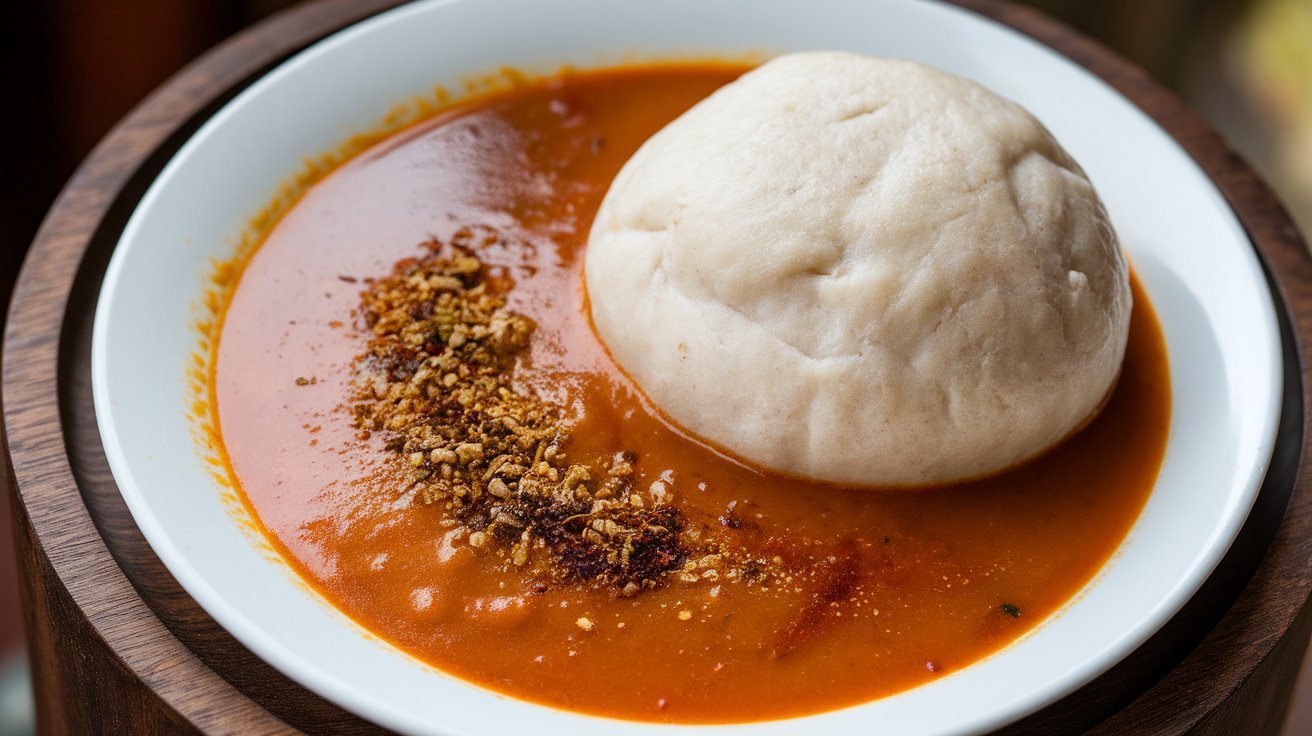
Fufu and Egusi is one of the most famous and cherished dishes in West African cuisine. Known for its rich flavors, satisfying texture, and deep cultural significance, this meal has gained international recognition among food lovers seeking authentic African dishes. From family gatherings and celebrations to everyday meals, fufu and egusi remain a staple in millions of households across countries such as Nigeria, Ghana, Cameroon, and other parts of West Africa.
The combination of soft, stretchy fufu and flavorful egusi soup creates a unique dining experience that reflects centuries of culinary tradition. As African cuisine continues to gain popularity worldwide in 2026, more people are discovering why this iconic dish has become a symbol of comfort, heritage, and community.
This comprehensive guide explores everything you need to know about fufu and egusi, including its history, ingredients, preparation methods, nutritional benefits, cultural importance, and growing global popularity.
What Is Fufu and Egusi?
Fufu and Egusi consists of two essential components that complement each other perfectly.
Fufu is a soft, dough-like food made from starchy ingredients such as cassava, yam, plantain, cocoyam, or a combination of these ingredients. It serves as the primary accompaniment to soups and stews throughout many African countries.
Egusi soup is a rich and hearty soup prepared using ground melon seeds, commonly known as egusi seeds. The soup often contains vegetables, meat, fish, stockfish, crayfish, palm oil, seasonings, and various traditional spices that create its distinctive flavor.
When eaten together, fufu acts as a vehicle for enjoying the thick and flavorful egusi soup. The combination provides a balanced meal that is both filling and nutritious.
The History and Cultural Significance of Fufu and Egusi
The origins of fufu and egusi can be traced back hundreds of years within West African communities. Traditional cooking methods and locally available ingredients contributed to the development of this iconic meal.
Historically, fufu was prepared by pounding boiled cassava, yam, or plantain using a mortar and pestle until a smooth texture was achieved. This labor-intensive process often involved family members working together, turning meal preparation into a communal activity.
Egusi soup also has deep historical roots. Melon seeds have long been cultivated throughout West Africa and became an important ingredient due to their nutritional value and versatility.
Today, fufu and egusi continue to represent family unity, hospitality, and cultural identity. The meal is commonly served during weddings, festivals, religious celebrations, and family gatherings. Sharing a bowl of egusi soup with freshly prepared fufu symbolizes togetherness and tradition across many African cultures.
Main Ingredients Used in Fufu and Egusi
One reason for the enduring popularity of fufu and egusi is the accessibility of its ingredients and the flexibility of its preparation.
Ingredients for Fufu
The most common ingredients used to prepare fufu include:
- Cassava
- Yam
- Plantain
- Cocoyam
- Semolina
- Pounded yam flour
- Cassava flour
Different regions use different starches depending on local availability and culinary traditions.
Ingredients for Egusi Soup
Traditional egusi soup often contains:
- Ground egusi (melon) seeds
- Palm oil
- Spinach or bitter leaf
- Meat such as beef or goat meat
- Fish or stockfish
- Crayfish
- Onions
- Pepper
- Seasoning cubes
- Traditional spices
The combination of these ingredients creates a rich, nutty, and deeply satisfying flavor profile that makes egusi soup unique.
How Fufu and Egusi Are Prepared
Preparing fufu and egusi requires attention to detail, but the process rewards cooks with exceptional flavor and texture.
Preparing Fufu
Traditional fufu preparation involves boiling cassava, yam, or plantain until soft. The cooked ingredients are then pounded repeatedly until they become smooth and elastic.
Modern kitchens often use instant fufu flour products that simplify the process while maintaining a similar texture. The flour is mixed with hot water and stirred continuously until a smooth consistency is achieved.
Preparing Egusi Soup
The preparation of egusi soup begins by blending melon seeds into a fine powder. Palm oil is heated, and onions are sautéed before adding meat, fish, seasonings, and stock.
The ground egusi is then incorporated into the mixture and cooked until it thickens. Vegetables such as spinach or bitter leaf are added near the end of the cooking process to preserve their nutrients and vibrant color.
The finished soup is thick, aromatic, and packed with layers of flavor.
Nutritional Benefits of Fufu and Egusi
Beyond its delicious taste, fufu and egusi offers several nutritional benefits.
Rich Source of Energy
Fufu contains complex carbohydrates that provide sustained energy throughout the day. This makes it a popular meal among individuals with active lifestyles.
High in Protein
Egusi seeds are naturally rich in protein, making them an excellent addition to a balanced diet. The inclusion of meat, fish, or seafood further enhances the protein content.
Healthy Fats
The melon seeds used in egusi soup contain beneficial fats that support overall health. Palm oil also contributes essential nutrients when used in moderation.
Vitamins and Minerals
Vegetables added to egusi soup provide vitamins A, C, E, and K, along with important minerals such as calcium, potassium, and magnesium.
Dietary Fiber
Vegetables and plant-based ingredients contribute dietary fiber, supporting digestive health and helping maintain a feeling of fullness.
Why Fufu and Egusi Is Becoming Popular Worldwide
In recent years, fufu and egusi has gained recognition far beyond Africa. The globalization of food culture and the rise of social media have introduced millions of people to traditional African cuisine.
Food influencers, travel bloggers, and culinary enthusiasts frequently showcase fufu and egusi in videos and restaurant reviews. Viral food challenges and cultural cooking demonstrations have further increased interest in the dish.
African restaurants across Europe, North America, Asia, and the Middle East now proudly feature fufu and egusi on their menus. Many first-time diners are attracted by the unique eating experience, which often involves using hands rather than utensils.
The growing appreciation for authentic global cuisines has also encouraged people to explore traditional African recipes at home, contributing to the meal’s international popularity.
Different Variations of Fufu and Egusi Across Africa
One fascinating aspect of fufu and egusi is the variety of regional interpretations.
Nigerian Style
Nigerian egusi soup is often prepared with spinach, bitter leaf, assorted meats, stockfish, and palm oil. It is typically served with pounded yam, eba, or cassava fufu.
Ghanaian Style
In Ghana, fufu is frequently made from cassava and plantain. The texture tends to be lighter, and it is commonly paired with a variety of soups, including egusi-based recipes.
Cameroonian Style
Cameroonian versions often incorporate local vegetables and seasonings that create distinctive flavors while preserving the essence of the dish.
Modern Variations
Contemporary chefs have introduced healthier and vegetarian adaptations using mushrooms, tofu, seafood, and alternative vegetables while maintaining traditional flavor profiles.
Conclusion
Fufu and Egusi remains one of the most iconic and celebrated dishes in African cuisine. Its combination of soft, satisfying fufu and rich, flavorful egusi soup has delighted generations and continues to attract new admirers around the world.
Beyond its delicious taste, the meal represents history, culture, family traditions, and community values that have been passed down through generations. Whether enjoyed in a village home in West Africa or at an international restaurant in a major city, fufu and egusi offers a memorable culinary experience that connects people to one of the world’s richest food traditions.
As African cuisine continues gaining global recognition in 2026, fufu and egusi stands proudly as a symbol of authentic flavor, cultural heritage, and timeless comfort food.
Frequently Asked Questions About Fufu and Egusi
What is fufu made from?
Fufu is commonly made from cassava, yam, plantain, cocoyam, or specially processed flour blends.
What is egusi soup made of?
Egusi soup is primarily prepared from ground melon seeds, palm oil, vegetables, meat, fish, and traditional seasonings.
How do people eat fufu and egusi?
Traditionally, small portions of fufu are pinched by hand, dipped into the soup, and swallowed without chewing extensively.
Is fufu and egusi healthy?
Yes. The meal provides carbohydrates, protein, healthy fats, vitamins, minerals, and dietary fiber when prepared with nutritious ingredients.
Which country is famous for fufu and egusi?
Nigeria is particularly famous for fufu and egusi, although the dish is widely enjoyed throughout West and Central Africa.
Why is fufu and egusi so popular?
Its rich flavor, satisfying texture, nutritional value, and cultural significance make it one of Africa’s most beloved traditional meals.
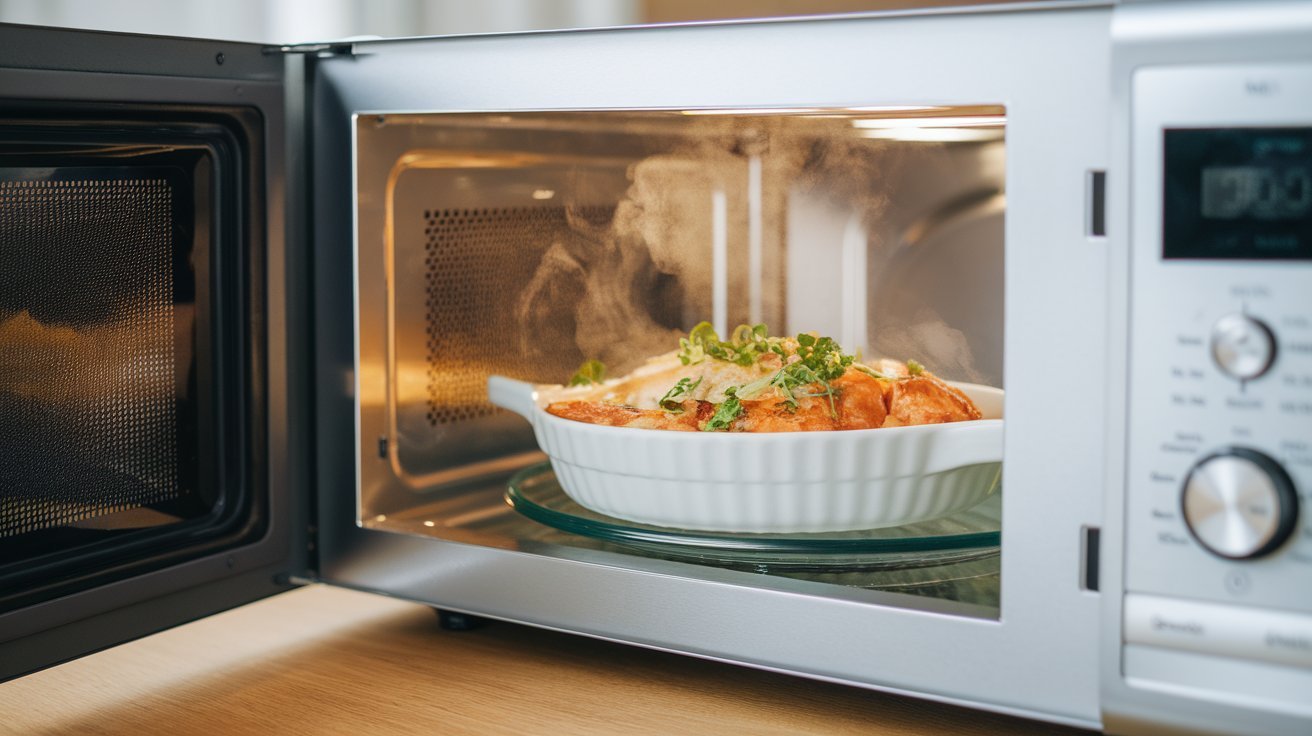
Microwey is an unusual term that has appeared more frequently in online searches and articles during 2026. Because the word looks and sounds very similar to microwave, many people naturally wonder whether Microwey is a new appliance, a technology, a brand, or simply another spelling of a familiar kitchen term.
Based on the information currently available, the safest interpretation is that Microwey is mainly an alternative spelling or search variation associated with microwave ovens and microwave cooking. It is not currently established as a separate appliance category or universally recognized technical standard. Some newer websites use Microwey to describe ideas such as smart cooking, connected appliances, or advanced microwave features, but those descriptions should be separated from the established meaning of a microwave oven.
What Does Microwey Mean?
The simplest answer is that Microwey generally points toward “microwave.” The spelling may appear because of typing mistakes, voice-to-text input, pronunciation-based spelling, or users simply being unsure about the correct spelling. Search engines frequently encounter variations of common words, and an unusual spelling can develop its own search presence when people repeatedly use it online.
Recent publications examining the term do not identify a consistent technical definition for Microwey. Instead, several connect it directly with microwave ovens, microwave cooking, kitchen appliances, and related technology. Another group of websites has attempted to give the term broader meanings, including smart-kitchen concepts and digital technology ideas. Because those definitions are inconsistent, context is important when interpreting the word.
For someone looking for a kitchen appliance, searching for microwave oven will generally provide clearer and more established information than searching only for Microwey.
Is Microwey a Brand or a New Appliance?
One of the most common questions is whether Microwey is a specific brand. Current information does not provide strong evidence that Microwey is a major established appliance manufacturer with a clearly documented product range, model numbers, warranty system, and technical documentation.
Some online articles describe Microwey as a modern or smart microwave concept, but that is different from proving that a particular company sells products under the Microwey name. A genuine appliance brand normally has identifiable manufacturers, official product pages, model specifications, manuals, customer-support information, and safety documentation.
This distinction is particularly important for consumers. If a website claims that a particular product is an official “Microwey,” shoppers should look for the manufacturer, exact model number, warranty information, safety certification, and independent product information rather than relying on the keyword alone. Recent sources similarly caution that the spelling itself does not establish a specific brand or product category.
How Is Microwey Connected to Smart Kitchen Technology?
Although Microwey is not established as a separate technical standard, some recent online discussions use the word in connection with smart microwave technology. This interpretation is understandable because modern microwave ovens have developed well beyond simple manual heating.
Depending on the model, modern appliances may include sensor cooking, automatic programs, variable power levels, convection functions, preset menus, child-lock systems, and connected controls. Some advanced appliances can also integrate with broader smart-home ecosystems.
However, these features belong to particular microwave products and technologies. They should not automatically be attributed to every appliance or website using the word Microwey.
This distinction prevents a common misunderstanding: a smart microwave exists, but that does not prove that “Microwey” is the official name for smart microwave technology. Current sources that describe Microwey as a smart concept generally acknowledge that the term does not have a standardized definition.
What Can a Microwave Do?
If Microwey is being used to refer to a microwave oven, its practical uses are familiar. A microwave uses electromagnetic energy to heat food and beverages. It is particularly useful for reheating leftovers, defrosting suitable foods, warming drinks, and preparing certain meals.
One of its biggest advantages is speed. Instead of preheating a large conventional oven, users can often heat a small or medium portion directly in a microwave. This makes the appliance convenient for busy households, workplaces, students, and anyone who regularly prepares individual portions.
Microwave cooking also has limitations. A standard microwave does not produce the same browning and crisping effect as a conventional oven, grill, or frying pan. Foods can also heat unevenly, particularly when they are thick, dense, frozen, or irregularly shaped. Stirring, rotating, covering food appropriately, and allowing a short standing time can help distribute heat more evenly.
Microwey, Microwave Safety, and Smart Buying
Whether you call it Microwey or microwave, food and appliance safety should remain the priority. Users should follow the manufacturer’s instructions and use containers that are specifically suitable for microwave heating.
Particular care is needed with hot liquids. Water and other liquids can sometimes become superheated, meaning they can become extremely hot without showing obvious signs of boiling. Handling or disturbing such liquids can cause sudden splashing and burns. Recent microwave guidance highlights the importance of following manufacturer instructions when heating liquids.
It is also sensible to avoid putting unsuitable materials into a microwave. Metal objects and containers not designed for microwave use can create safety problems. Food should be heated according to appropriate instructions, and users should take care when removing containers because steam and surfaces can become very hot.
If you are shopping for a microwave that a website calls Microwey, focus on the actual specifications. Check the appliance’s capacity, power level, cooking programs, dimensions, warranty, safety information, and manufacturer. A catchy name should never replace proper product verification.
Why Is Microwey Becoming a Search Term in 2026?
The growing interest in Microwey appears to be connected partly to the way unusual keywords spread online. Once people encounter a strange spelling, they may search for it to determine whether it represents a new product or technology. Publishers then create articles explaining the term, which can give the keyword a larger online presence.
Some recent articles describe Microwey as a spelling variation of microwave, while others expand it into smart cooking or digital technology concepts. One source even discusses Microwey as a broader technology idea unrelated to kitchen appliances. These conflicting definitions demonstrate why readers should examine the evidence behind a claim rather than assuming every online explanation refers to the same thing.
The most consistent connection remains the ordinary word microwave. Until an identifiable company or recognized technical organization establishes Microwey as a distinct product or technology, it is more accurate to treat it as an ambiguous online term.
Final Thoughts on Microwey
Microwey is best understood in 2026 as an unusual online term most closely associated with microwave ovens and microwave cooking. It may simply be an alternative spelling, typing variation, or search expression. Some newer websites use it to describe smart-kitchen concepts, advanced microwave functions, or even unrelated digital ideas, but these meanings are not consistently established.
For consumers, the practical lesson is straightforward: do not assume that Microwey automatically means a specific brand, appliance, or revolutionary technology. If a particular product is being marketed under the name, verify the manufacturer, model, specifications, warranty, and safety documentation before making a purchase.
Frequently Asked Questions About Microwey
Is Microwey the same as microwave?
In most kitchen-related searches, Microwey appears to be a spelling or search variation of microwave rather than a separate cooking technology.
Is Microwey an official appliance brand?
There is currently insufficient reliable evidence to establish Microwey as a widely recognized microwave manufacturer or standardized appliance brand.
Is Microwey a smart microwave?
Some online articles use the term in connection with smart microwave concepts, but there is no established definition requiring a Microwey product to include AI, Wi-Fi, sensors, or automated cooking.
What is a microwave mainly used for?
Microwave ovens are commonly used for heating, reheating, defrosting, and cooking suitable foods quickly.
Why does Microwey appear online?
It can appear as an unusual spelling, search variation, or informal term related to microwave technology. The exact reason depends on the context in which the word is encountered.
Should you buy a product advertised as Microwey?
Before buying, verify the actual manufacturer, model number, specifications, warranty, safety information, and independent product details. The name alone is not enough to establish what a product is.
Is Microwey a new invention?
There is no strong evidence that Microwey itself represents a newly invented cooking technology. The established technology behind microwave ovens has a much longer history, while the Microwey spelling is a newer online phenomenon.


How Many of Me Are There? A Complete Guide to Finding People Who Share Your Name in 2026

Lakiha Spicer: Biography, Age, Family, Mike Tyson, Career and Life in 2026

Thomas Boone Quaid: Biography, Family, Medical History, Education, and Life in 2026

Playing Game Site PlayBattleSquare (2026): Complete Guide to Features, Gameplay, Community, and Gaming Experience

Is Mychael Schnell Married? (2026) Everything We Know About the Journalist’s Personal Life, Career, and Background

Isaac Ortega: Biography, Career, Achievements, and Growing Influence
 Gaming3 months ago
Playing Game Site PlayBattleSquare (2026): Complete Guide to Features, Gameplay, Community, and Gaming Experience
- Celebrity3 months ago
Is Mychael Schnell Married? (2026) Everything We Know About the Journalist’s Personal Life, Career, and Background
- Celebrity3 months ago
Isaac Ortega: Biography, Career, Achievements, and Growing Influence
- Blog3 months ago
The #Thriftyevents.net: A Complete Guide to Affordable Event Planning and Budget-Friendly Celebrations in 2026
- Technology3 months ago
Slylar Box: A Complete Guide to Features, Benefits, Uses, and What You Should Know
- Entertainment3 months ago
Buffstreams: Everything You Need to Know About the Popular Sports Streaming Platform
- Food2 months ago
Best Calçots with Romesco Near Me: The Ultimate 2026 Guide to Finding Authentic Catalan Grilled Onions
- Fashion3 months ago
www.redandwhitemagzcom: A Complete Guide to the Digital Magazine Platform in 2026