Health
KT Tape Elbow: How to Apply It, Benefits, Uses, and Best Practices in 2026

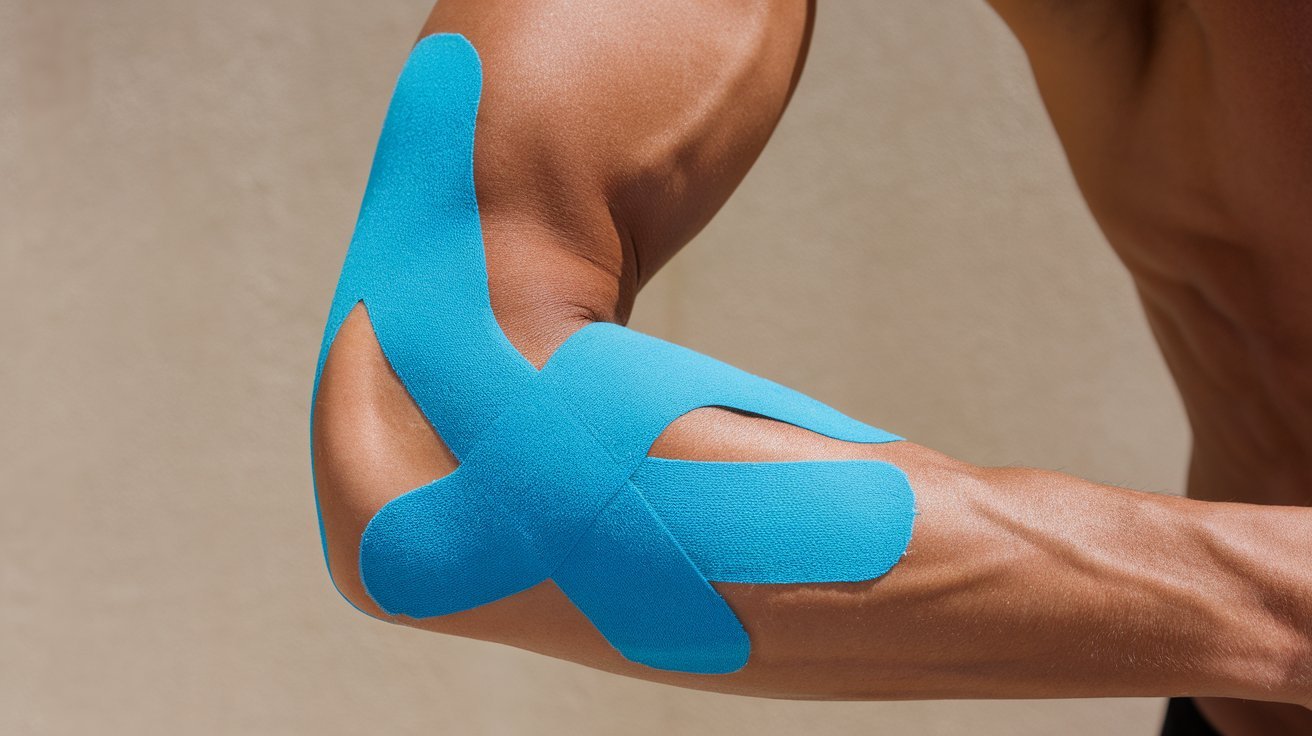
KT Tape for the elbow is a popular method of providing temporary support and sensory feedback around the elbow during exercise, work, sports, and everyday activities. Kinesiology tape is an elastic adhesive tape that can be placed over or around muscles and joints without substantially restricting normal movement.
People commonly search for KT Tape elbow when dealing with discomfort associated with activities such as tennis, weightlifting, repetitive computer work, throwing, or other movements involving repeated elbow use. Depending on where the discomfort originates, taping techniques may be used around the forearm muscles, outside or inside of the elbow, or along the upper arm.
However, tape should be viewed as a supportive tool rather than a cure. Persistent, severe, or worsening elbow symptoms may require assessment by a qualified healthcare professional. Correct application also matters because excessive tension, poor placement, or application to irritated skin can cause problems.
What Is KT Tape for the Elbow?
KT Tape is a brand of kinesiology tape, and the term is also commonly used informally to describe kinesiology-taping techniques. Unlike rigid athletic tape, kinesiology tape is designed to stretch and move with the body.
When applied around the elbow, the tape can provide proprioceptive feedback, meaning it gives the wearer greater awareness of movement and the taped area. It may also provide a feeling of support without immobilizing the elbow.
Elbow taping techniques vary depending on the purpose. A technique for discomfort on the outside of the elbow can differ substantially from one intended for symptoms around the inside of the elbow.
This distinction is important because elbow pain is not a single condition. Different problems can involve tendons, muscles, ligaments, nerves, joints, or referred symptoms from elsewhere.
For that reason, the best taping pattern depends on the location of symptoms, activity that aggravates them, and the underlying cause.
What Can KT Tape Elbow Taping Be Used For?
Kinesiology tape is frequently used around the elbow during activities involving repetitive gripping, lifting, throwing, or wrist movement. Common examples include tennis, golf, baseball, climbing, weight training, manual work, and repetitive computer use.
One frequently searched application is for tennis elbow, medically known as lateral elbow tendinopathy. This condition typically involves pain around the outside of the elbow and is associated with loading of the wrist-extensor tendon structures.
Another commonly discussed application is golfer’s elbow, or medial elbow tendinopathy, which involves discomfort around the inside of the elbow.
Tape may also be used as part of a broader rehabilitation program when an individual experiences muscular fatigue or wants additional awareness around the joint.
Importantly, kinesiology tape should not be assumed to correct the underlying tendon problem. Evidence regarding kinesiology tape varies depending on the condition and outcome being measured. It may provide short-term symptom relief or perceived support, but exercise rehabilitation and appropriate activity modification are often more important for persistent tendon problems.
How to Apply KT Tape to the Elbow
A general elbow taping process begins with clean, dry skin. Oils, lotions, and sweat can reduce adhesion, so the area should be clean before application.
For many elbow applications, we first identify the area where support or sensory feedback is desired. The tape is then measured and rounded at the corners to reduce premature peeling.
A commonly used approach for lateral elbow discomfort involves placing strips along the forearm extensor muscle region, with the tape extending toward or around the outside of the elbow. The exact tension and direction depend on the specific taping technique.
The basic process is:
- Clean and dry the skin.
- Measure the required tape length.
- Round the tape corners.
- Apply the anchor with little or no stretch.
- Position the elbow and forearm according to the chosen technique.
- Apply the working portion of the tape with the recommended tension.
- Rub the tape gently to activate the adhesive.
- Check that the tape does not create excessive pulling, numbness, tingling, or skin irritation.
We should remember that more stretch does not necessarily mean more support. Excessive tension can make the tape uncomfortable and may increase the risk of skin irritation.
The exact application should be matched to the condition being addressed rather than using one universal elbow taping pattern.
KT Tape for Tennis Elbow
Tennis elbow is one of the most common reasons people search for elbow kinesiology-taping instructions. Despite its name, it can occur in people who have never played tennis.
The condition is generally associated with pain and tenderness around the outer elbow, particularly when gripping, lifting, or repeatedly extending the wrist.
A taping strategy may focus on the muscles and tendons of the forearm rather than attempting to immobilize the elbow itself. This allows the wearer to maintain normal movement while receiving additional sensory feedback.
For sports or exercise, tape may be applied before activity and removed afterward. However, if pain consistently returns whenever the tape is removed, that is a reason to consider whether the underlying problem needs proper rehabilitation.
A comprehensive approach can include load management, progressive strengthening, technique modification, and gradual return to activity rather than depending solely on tape.
KT Tape for Golfer’s Elbow and Inside-Elbow Pain
Golfer’s elbow affects structures around the inside of the elbow and can be associated with repetitive gripping, wrist flexion, throwing, or other activities.
Because the symptomatic structures are located differently from tennis elbow, the taping direction is different as well. Applying a lateral-elbow technique to medial elbow symptoms may not provide the intended effect.
Before taping, we should identify whether discomfort is truly localized to the inner elbow. Symptoms such as numbness or tingling into the ring and little fingers can indicate irritation involving the ulnar nerve rather than a straightforward tendon problem.
In such situations, taping should not replace professional assessment, particularly when neurological symptoms persist or worsen.
Benefits and Limitations of KT Tape Elbow Support
One reason kinesiology tape remains popular is that it allows movement while providing a sensation of support. Rigid braces and athletic tape can restrict motion, whereas elastic kinesiology tape is designed to move with the body.
Potential advantages include:
- Lightweight support
- Greater awareness of the taped area
- Freedom of movement
- Convenient application during sports
- Potential short-term symptom relief
- Compatibility with exercise and rehabilitation programs
However, there are limitations. KT Tape does not automatically repair damaged tendons, restore strength, or correct poor movement mechanics.
The scientific evidence for kinesiology tape varies by condition and application. We should therefore regard it as a complementary strategy, not a substitute for appropriate diagnosis and rehabilitation.
People with adhesive allergies, sensitive skin, open wounds, infections, or significant skin irritation should avoid applying tape over affected areas.
Common KT Tape Elbow Mistakes to Avoid
Several simple mistakes can make an elbow taping application ineffective or uncomfortable.
The first is applying tape to wet, oily, or lotion-covered skin. This reduces adhesion and causes the tape to peel prematurely.
Another mistake is applying excessive tension. Kinesiology tape is elastic, but stretching every section aggressively can create unnecessary skin stress.
We should also avoid wrapping tape so tightly that it causes numbness, tingling, color changes, swelling, or increased discomfort.
Applying tape directly over irritated skin is another common problem. If significant itching, burning, redness, blistering, or rash develops, the tape should be removed.
Finally, we should not use tape to ignore serious symptoms. Increasing pain, substantial swelling, weakness, loss of motion, deformity, persistent numbness, or an injury caused by significant trauma deserves appropriate medical evaluation.
How Long Should KT Tape Stay on the Elbow?
The exact wear time depends on the product, skin sensitivity, activity, and application. Many kinesiology tapes are designed to remain in place for several days, but there is no requirement to keep tape on for a fixed period if the skin becomes irritated.
After showering or sweating, the tape should generally be dried rather than aggressively rubbed. Removing it slowly can help minimize skin irritation.
We should monitor the skin throughout the time the tape is worn. Comfort and skin health are more important than keeping the tape attached for a particular number of hours.
If the tape repeatedly causes irritation, another support strategy may be more appropriate.
Final Verdict: Is KT Tape for the Elbow Worth Using?
KT Tape elbow applications can be useful as a temporary supportive tool, particularly when we want lightweight support and freedom of movement during exercise or everyday activity. It may provide sensory feedback and, for some people, short-term relief from discomfort.
The key is to match the technique to the location and suspected cause of the symptoms. Tennis elbow and golfer’s elbow require different approaches, while nerve-related symptoms or significant injuries may require professional evaluation rather than taping.
For the best results, kinesiology tape should generally be considered part of a broader strategy that may include appropriate activity modification, progressive strengthening, mobility work, technique changes, and professional guidance when necessary.
Used correctly and comfortably, KT Tape can be a convenient addition to an elbow-support routine—but it should never be treated as a replacement for diagnosing and addressing the underlying problem.
Frequently Asked Questions
Does KT Tape help elbow pain?
It may provide temporary support, sensory feedback, or symptom relief for some people, although results vary and it does not necessarily correct the underlying cause.
Can we use KT Tape for tennis elbow?
Yes, kinesiology tape is commonly used around the outer elbow and forearm for tennis-elbow symptoms. It should be combined with appropriate rehabilitation rather than used as the only treatment.
Can KT Tape be used for golfer’s elbow?
Yes. The application is different because golfer’s elbow involves structures around the inside of the elbow.
How tight should KT Tape be?
It should generally feel supportive rather than painfully tight. Excessive tension can cause discomfort and skin irritation.
Can we sleep with KT Tape on the elbow?
If the tape is comfortable and the skin is healthy, some products can remain on for extended periods. However, it should be removed if it causes itching, burning, rash, numbness, or other irritation.
Can KT Tape cure tennis elbow?
No. Tape may help manage symptoms, but persistent tennis elbow generally requires attention to load management and progressive rehabilitation.
When should elbow pain be checked by a professional?
Professional assessment is appropriate for severe or persistent pain, major swelling, weakness, restricted movement, deformity, significant trauma, or persistent numbness and tingling.


Mono symptoms can range from a mild sore throat and fever to extreme fatigue that interferes with everyday life. Mono, short for infectious mononucleosis, is a contagious illness most commonly caused by the Epstein-Barr virus (EBV). It frequently affects teenagers and young adults, although people of any age can develop the infection.
Understanding the early signs of mono can help people recognize when to seek medical advice, manage symptoms safely, and avoid activities that could cause complications. In 2026, mono remains an important health topic because its symptoms can resemble those of strep throat, the flu, and other viral infections.
This guide explains the most common mono symptoms, how long they last, how the infection spreads, when medical testing may be needed, and what you can do to support recovery.
What Is Mono and What Causes It?
Infectious mononucleosis, also called mono or sometimes the “kissing disease,” is a viral illness most commonly associated with the Epstein-Barr virus. EBV is widespread, and many people become infected during childhood without developing recognizable symptoms. Teenagers and young adults are more likely to experience the typical symptoms of mono.
Mono usually spreads through saliva, including through kissing or sharing drinks, utensils, and toothbrushes. Less commonly, the viruses involved can spread through other bodily fluids.
Symptoms often appear around four to six weeks after EBV infection, although the timing can vary. They may develop gradually rather than appearing all at once.
Not everyone infected with EBV develops mono. Other infections, including cytomegalovirus (CMV), can also cause a mononucleosis-like illness. Because several conditions produce similar symptoms, a healthcare professional may need to assess the person before confirming the cause.
What Are the Most Common Mono Symptoms?
The most recognizable signs of mono include extreme fatigue, fever, sore throat, and swollen lymph nodes. Symptoms vary from person to person, and some people experience only a few of them.
Common mono symptoms include:
- Extreme tiredness: Fatigue can be intense and make school, work, exercise, or routine tasks difficult.
- Sore throat: The throat may feel painful, raw, or inflamed. The discomfort can sometimes resemble strep throat.
- Fever: A raised temperature may occur alongside tiredness, throat pain, and body aches.
- Swollen lymph nodes: Glands, particularly in the neck and armpits, may become enlarged or tender.
- Headaches: Some people experience persistent or recurring headaches during the illness.
- Muscle aches: General body aches and weakness may accompany the infection.
- Swollen tonsils: The tonsils may become enlarged and make swallowing uncomfortable.
- Skin rash: A rash can develop in some people, including after taking certain antibiotics.
- Reduced appetite: Feeling unwell or having a painful throat may make eating less appealing.
A person does not need to experience every symptom to have mono. In particular, fatigue that persists alongside a sore throat and swollen neck glands can be a reason to seek medical evaluation. However, these symptoms alone cannot confirm the diagnosis.
The early symptoms of mono may feel similar to a common cold or flu. Some people first notice unusual tiredness, a mild fever, headaches, or a scratchy throat. Over the following days, the throat pain may become more severe, and lymph nodes in the neck may swell.
Symptoms do not always follow the same pattern. One person may experience a high fever and painful tonsils, while another may mainly struggle with fatigue and weakness.
The illness can also affect the liver or spleen. These changes may not cause obvious symptoms, which is why medical guidance about physical activity is important when mono is suspected or confirmed.
Pay attention to symptoms that are severe, persistent, or getting worse. If you have a sore throat that does not improve, ongoing fever, or marked fatigue that interferes with normal activities, arrange a medical assessment. Do not assume that every sore throat is mono, because conditions such as strep throat may require different treatment.
How Long Do Mono Symptoms Last?
For many people, the main symptoms of mono begin to improve within two to four weeks. However, recovery varies, and fatigue can last several additional weeks or, occasionally, months. Some people also experience lingering swollen lymph nodes or an enlarged spleen after their fever and throat pain have improved.
The following timeline is a general guide, not a prediction for every patient:
- Early stage: Tiredness, headaches, and a general feeling of being unwell may appear first.
- Main illness: Fever, sore throat, swollen lymph nodes, and body aches may become more noticeable.
- Recovery stage: Fever and throat discomfort often improve before energy levels return to normal.
- Extended recovery: Some people need extra time to regain their usual stamina and should increase activity gradually.
There is no exact number of days that guarantees recovery. Returning to school or work may be possible as symptoms improve, depending on how the person feels and any advice from their healthcare professional. However, strenuous exercise, heavy lifting, and contact sports require special caution because mono can enlarge the spleen.
Seek emergency medical attention if you develop sudden, severe pain in the upper left abdomen or pain near the left shoulder, particularly if accompanied by dizziness or fainting. These can be warning signs of a ruptured spleen, a rare but potentially life-threatening complication.
How Are Mono Symptoms Diagnosed and Treated?
A healthcare professional usually evaluates possible mono by reviewing symptoms, asking about their duration, and performing a physical examination. They may check the throat, tonsils, lymph nodes, and abdomen for signs of swelling.
Blood tests may be recommended when the diagnosis is uncertain. Depending on the circumstances, testing may include a screening test for mono, EBV-specific antibody tests, a blood count, or liver-function tests. Some tests may be less reliable early in the illness, so a clinician may interpret results alongside symptoms or recommend further testing.
There is no specific routine cure for uncomplicated EBV-related mono. Treatment focuses on relieving symptoms while the body recovers.
Helpful steps include:
- Rest: Allow yourself enough sleep and reduce demanding activities while you feel unwell.
- Hydration: Drink water and other suitable fluids regularly, especially if you have a fever.
- Comfortable foods: Choose soft foods and soothing drinks if swallowing hurts.
- Pain and fever relief: Ask a healthcare professional or pharmacist which over-the-counter medicine is appropriate for your age and health circumstances.
- Gradual recovery: Return to normal routines as your symptoms and energy levels improve, following medical advice.
Antibiotics do not treat the virus that causes mono. Avoid taking antibiotics without medical advice, particularly amoxicillin or ampicillin, which can trigger a rash in people with mono. Antibiotics may still be needed if a healthcare professional confirms a separate bacterial infection. Never give aspirin to children or teenagers with a viral illness unless specifically directed by a specialist, because of the risk of Reye syndrome.
When Should You Seek Medical Help for Mono Symptoms?
Most people recover without serious complications, but some symptoms need prompt medical attention.
Seek emergency care immediately if you experience:
- Sudden or severe abdominal pain, especially on the upper left side.
- Difficulty breathing.
- Inability to swallow fluids or saliva.
- Fainting or severe dizziness, particularly with abdominal pain.
Contact a healthcare professional promptly if you have persistent high fever, worsening throat pain, yellowing of the skin or eyes, significant weakness, or symptoms that are not improving as expected. People with weakened immune systems or other significant medical conditions may need additional assessment.
Because mono can cause an enlarged spleen, avoid contact sports and strenuous physical activity until a healthcare professional advises that it is safe to resume them. Feeling better does not necessarily mean the spleen has returned to normal size. Follow individualized advice about when to return to exercise.
Frequently Asked Questions About Mono Symptoms
What is the first symptom of mono?
Extreme tiredness may be one of the first noticeable symptoms, sometimes followed by fever, sore throat, headaches, and swollen lymph nodes. The order and severity vary.
Can you have mono without a fever?
Yes. Symptoms differ between people, and not everyone experiences every typical sign. A lack of fever does not rule out mono.
Are mono symptoms contagious?
The infection can spread through saliva, including through kissing and sharing drinks or utensils. EBV may remain in saliva for an extended period, so the exact period of contagiousness varies. Avoid sharing items that contact saliva and follow medical advice.
Can mono symptoms last for months?
Yes. Although many people improve within two to four weeks, fatigue can continue for several weeks or occasionally six months or longer. Persistent or worsening symptoms deserve medical review.
Is mono the same as strep throat?
No. Mono is usually caused by a virus, while strep throat is caused by bacteria. Both can cause sore throats and fever, so testing may be needed to distinguish them.
Conclusion
Recognizing mono symptoms can help you understand when a viral illness may need medical evaluation. The most common signs include extreme fatigue, sore throat, fever, headaches, and swollen lymph nodes. Some people also develop a rash or swelling of the liver or spleen.
Most people improve within a few weeks, although tiredness can last much longer. Rest, hydration, appropriate symptom relief, and avoiding risky physical activity are important parts of recovery. Seek urgent medical care for breathing or swallowing difficulties, sudden severe abdominal pain, or other serious warning signs.
This article provides general health information and does not replace a diagnosis or personalized medical advice from a qualified healthcare professional.

Learning how to improve posture can make everyday activities more comfortable, whether we spend hours working at a desk, using a smartphone, driving, studying, or standing for long periods. Posture affects how we position our head, shoulders, spine, hips, and feet while sitting, standing, walking, and exercising. Although there is no single perfect posture for everyone, developing healthy movement habits can help reduce unnecessary strain and improve body awareness.
Many people associate good posture with sitting perfectly straight all day. However, healthy posture is not about holding the body rigidly or constantly pulling the shoulders backward. Instead, it involves maintaining comfortable alignment, strengthening supporting muscles, and changing positions regularly. With consistent practice, we can build habits that support better posture and make daily movement feel more natural.
What Is Good Posture and Why Does It Matter?
Good posture describes how we position our bodies while resting and moving. Our spine has natural curves in the neck, upper back, and lower back. Healthy alignment supports these curves without forcing the body into an uncomfortable or unnatural position.
There are two main types of posture. Static posture refers to how we hold our bodies while sitting, standing, or lying down. Dynamic posture describes how we maintain balance and alignment while walking, running, lifting, or performing other activities.
Improving posture may help reduce muscle fatigue, support comfortable movement, and ease some aches associated with remaining in one position for too long. It can also help us become more aware of habits such as leaning forward, slouching, or placing too much weight on one leg.
However, poor posture is not always the cause of pain. Back pain, neck discomfort, and headaches can have several contributing factors, including stress, injuries, reduced activity, and medical conditions. We should therefore focus on comfortable movement rather than worrying about achieving a flawless position.
How to Improve Posture While Sitting
Sitting for extended periods can encourage slouching, especially when a chair, desk, or computer is poorly positioned. A few practical adjustments can make our workspace more comfortable and help us maintain a more natural position.
Keep your feet supported: Place both feet flat on the floor or use a footrest if necessary.
Support your back: Sit with your back supported by the chair, allowing your spine to maintain its natural curves.
Relax your shoulders: Keep your shoulders relaxed rather than lifting or forcing them backward.
Position your screen correctly: Place your monitor directly in front of you, at a height that lets you look ahead without constantly bending your neck.
Keep your arms comfortable: Adjust your keyboard and mouse so your elbows remain near your sides and your wrists are not unnecessarily strained.
Change positions regularly: Stand, stretch, or walk briefly throughout the day instead of remaining seated for hours.
An ergonomic chair can help, but expensive equipment is not essential for everyone. Small changes to chair height, screen position, and desk arrangement may improve comfort. Even with a well-designed workspace, movement breaks are important because no single sitting position is ideal to maintain indefinitely.
How to Improve Posture While Standing and Walking
Good standing posture does not mean making the body stiff. Instead, we should aim for a balanced, relaxed position that allows us to move naturally.
When standing, keep your feet approximately hip-width apart and distribute your weight comfortably between them. Allow your knees to remain relaxed rather than locking them. Keep your head balanced above your shoulders and your shoulders generally aligned above your hips.
Avoid pushing your chest excessively forward, arching your lower back, or pulling your shoulders backward with force. These habits can create tension instead of improving alignment. If you regularly stand for work, changing your stance and taking short walking breaks can help reduce fatigue.
While walking, look ahead rather than continuously staring at the ground or a phone. Let your arms swing naturally, keep your steps comfortable, and avoid deliberately exaggerating your stride. Comfortable footwear that fits properly may also help you maintain a stable position.
If you spend long periods standing, try alternating which foot carries slightly more weight or briefly resting one foot on a low footrest when appropriate. The goal is not to freeze your body in one position but to maintain comfortable alignment while moving naturally.
Best Exercises to Improve Posture
Regular exercise can strengthen the muscles that support the spine, shoulders, abdomen, and hips. The following movements may be useful for a general posture routine, provided they feel comfortable and are suitable for your fitness level.
1. Wall angels
Stand with your back against a wall, keeping your head and upper back comfortably aligned. Raise your arms slowly and slide them upward, then lower them. Move only as far as you can without pain or forcing your shoulders.
2. Chin tucks
Sit or stand upright and gently draw your chin backward, as though creating a small double chin. Keep your eyes level rather than looking up or down. Hold briefly, relax, and repeat several times.
3. Shoulder blade squeezes
Sit or stand with your arms relaxed. Gently draw your shoulder blades toward one another without shrugging your shoulders or arching your back. Hold for a few seconds before releasing.
4. Resistance-band rows
If you have a suitable resistance band, hold it with both hands and pull your elbows backward while keeping them near your sides. Squeeze your shoulder blades gently, then return to the starting position with control.
5. Core-strengthening exercises
Exercises such as modified planks, bird dogs, and dead bugs can help develop trunk strength and control. Start with an easy variation and focus on steady breathing and controlled movement rather than completing as many repetitions as possible.
6. Chest stretches
Stand in a doorway with your forearms resting gently against the frame. Step forward slightly until you feel a mild stretch across your chest. Avoid pushing into pain or forcing your shoulders backward.
Start gradually and prioritize proper technique. Stop an exercise if it causes sharp pain, numbness, dizziness, or symptoms that travel into an arm or leg. People with existing injuries or medical conditions should seek professional advice before beginning a new exercise routine.
Daily Habits That Help Correct Poor Posture
Improving posture is easier when we make small adjustments throughout the day instead of relying on one exercise session. Consistency matters more than trying to maintain a perfect position every minute.
Take movement breaks. Set a reminder to stand, stretch, or walk periodically, especially during long work or study sessions. A brief change in position can be more useful than forcing yourself to sit rigidly.
Use your phone at a comfortable height. Bring the screen closer to eye level when practical instead of bending your neck downward for long periods. Switch hands or take breaks during extended use.
Stay physically active. Walking, swimming, strength training, and other enjoyable activities can improve general fitness and help maintain the strength and mobility needed for daily movement.
Build a manageable exercise routine. Choose a few suitable strengthening and stretching exercises and practice them consistently. Increase difficulty gradually rather than pushing through discomfort.
Pay attention to sleep comfort. Choose a mattress and pillow arrangement that allows you to rest comfortably. There is no single sleeping position that works best for every person, so prioritize comfort and adequate sleep.
Avoid relying entirely on posture braces. Some devices may provide reminders or temporary support, but they do not replace movement, muscle strengthening, or an individualized treatment plan when one is needed.
These habits can help us develop better body awareness without becoming anxious about every small change in position.
Common Posture Mistakes to Avoid
When learning how to improve posture, it is helpful to recognize habits that may create unnecessary tension.
One common mistake is forcing the shoulders backward all day. This can make the upper body feel stiff. Instead, allow the shoulders to rest naturally and use exercises to develop strength and control.
Another mistake is sitting completely still for too long. Even an upright position can become uncomfortable if maintained for hours. Regular movement and position changes are important parts of a healthy routine.
We should also avoid looking down at screens continuously, working at a desk that does not fit our bodies, or carrying heavy bags unevenly for long periods. When carrying a backpack, use both shoulder straps and adjust them so the load sits comfortably.
Finally, do not assume that posture alone explains every ache. Persistent pain may require an assessment rather than more stretching or repeated attempts to straighten the back. A physical therapist can help identify movement limitations, muscle weaknesses, and exercises appropriate to individual needs.
How Long Does It Take to Improve Posture?
The time required to improve posture depends on our starting point, daily habits, physical strength, flexibility, and whether an underlying condition affects movement. Some people notice improved comfort or awareness after making simple workspace adjustments, while building strength and changing long-standing habits can take several weeks or longer.
A practical starting plan is to check your sitting and standing position occasionally, take regular movement breaks, and practice a short selection of comfortable exercises several times per week. Increase the routine gradually and pay attention to how your body responds.
There is no universal deadline for achieving better posture. Progress may mean sitting more comfortably, experiencing less stiffness after work, moving with greater confidence, or finding it easier to maintain a balanced position during daily activities.
Seek advice from a healthcare professional if neck, shoulder, or back pain persists for several weeks, worsens, or interferes with normal activities. New weakness, significant numbness, or severe pain warrants prompt medical assessment. Sudden back pain accompanied by loss of bladder or bowel control or numbness around the groin requires emergency medical care.
Conclusion
Learning how to improve posture is about developing comfortable, sustainable habits rather than holding the body perfectly straight all day. We can start by adjusting our workspace, supporting our feet, relaxing our shoulders, and keeping screens at a comfortable height. Regular movement breaks, appropriate strengthening exercises, stretching, and everyday physical activity can also support better posture.
The most effective approach is one we can maintain consistently. By making small adjustments, staying active, and responding sensibly to discomfort, we can improve body awareness and support comfortable movement throughout 2026 and beyond. If pain or movement difficulties persist, professional guidance can help us choose the right next steps.

The phrase “do you want pain” can mean different things depending on where it appears. It may be a straightforward question about physical discomfort, a dramatic line in music or entertainment, a phrase used in gaming, or a figurative expression about deliberately accepting difficult experiences. Because the wording is short and context-dependent, understanding the surrounding conversation is essential.
Search results show the phrase appearing in several unrelated contexts. For example, a translated song passage uses “Do you want pain?” as a dramatic lyrical expression, while a Marvel Rivals mod uses the phrase in connection with Winter Soldier’s ultimate voice lines.
In everyday English, however, the meaning is much simpler: someone may be asking whether another person wants something intended to relieve pain or whether that person is willing to experience pain. The exact interpretation depends on the words surrounding the phrase.
What Does “Do You Want Pain?” Mean?
At its most literal level, “Do you want pain?” asks whether someone wants to experience physical or emotional discomfort.
The phrase can sound unusual in ordinary conversation because people generally do not ask whether another person wants pain. More natural expressions might be “Are you in pain?”, “Do you want pain relief?”, or “Do you want pain medication?” when discussing a medical situation.
For example:
- “Are you in pain?” asks whether someone is experiencing discomfort.
- “Do you want pain medication?” asks whether someone wants medicine to reduce discomfort.
- “Do you want pain?” literally asks whether someone wants the painful experience itself.
The distinction is important. A medical question such as “Do you want pain medication?” has an entirely different meaning from the shorter phrase “Do you want pain?”. Translation resources likewise treat “do you want pain medication” as a question concerning medication rather than the desire to experience pain.
“Do You Want Pain?” in Music and Lyrics
One reason people may search for “do you want pain” is because the phrase appears in songs and translated lyrics.
A translation of Nikki Jamal’s “Herhalde (Probably)” includes a passage rendered in English as a question about whether someone wants tears or pain.
In a musical context, the phrase does not necessarily represent a literal desire for physical suffering. Songwriters often use words such as pain, tears, heartbreak, and suffering metaphorically to describe emotional conflict, relationship problems, revenge, or dramatic confrontation.
That makes context especially important when searching for an exact lyric. A phrase may appear in multiple songs, fan translations, lyric websites, edits, or social-media posts. A translated lyric may also differ from the original wording because literal translations do not always preserve the exact meaning, rhythm, or emotional tone of the source language.
Therefore, when “do you want pain” appears in lyrics, it is useful to identify the artist, song title, language, or surrounding lyric before assuming its meaning.
The Phrase in Gaming and Internet Culture
The wording also appears in gaming-related content. A notable example is a Marvel Rivals mod titled “Do you want pain – Winter Soldier Ultimate,” which modifies Winter Soldier’s ultimate voice content. The mod was originally uploaded in February 2025 and updated in March 2025.
In this setting, the phrase is best understood as part of a character’s dramatic presentation rather than an ordinary conversation about physical pain. Video games frequently use intimidating or theatrical dialogue to reinforce a character’s identity and make abilities more memorable.
This demonstrates why searches for short phrases can produce very different results. “Do you want pain” may be connected to a song in one search and a gaming modification in another. The words alone do not identify one specific source.
Physical Pain Versus Emotional Pain
Another important distinction is between physical pain and emotional pain.
Physical pain is generally associated with injury, illness, inflammation, or another bodily condition. It serves an important warning function because the sensation can indicate that something in the body needs attention. Emotional pain, meanwhile, can describe experiences such as grief, rejection, loneliness, disappointment, or heartbreak.
When someone says “I don’t want pain,” they may be speaking about either kind.
In everyday writing, the word “pain” can therefore carry a broader meaning than its medical definition. A person might say that they want to avoid the “pain” of a breakup, the “pain” of failure, or the “pain” associated with losing someone. In these cases, the word describes emotional suffering rather than a physical sensation.
The surrounding words usually reveal which meaning is intended.
Why Context Matters When Searching “Do You Want Pain”
Short search phrases often have multiple possible interpretations. This is particularly true when the phrase contains common words.
For “do you want pain,” useful context can include:
- Where you saw the phrase
- The name of a song or artist
- A movie, television show, or game
- The complete sentence surrounding it
- The original language if it was translated
- Whether the phrase appeared in a meme or social-media video
- Whether it referred to medical treatment
For example, if the phrase appeared beside a character image, it may be associated with a game or movie. If it appeared underneath a song title, it may be a lyric. If a healthcare professional said something similar, the intended meaning could concern pain relief.
Translation can create another layer of ambiguity. A foreign-language phrase may be translated into several natural English versions, and the most literal translation may not be the most idiomatic one. Discussions of Bulgarian translation, for example, demonstrate how grammatical particles and contextual meaning can make direct word-for-word translations misleading.
Is “Do You Want Pain?” Natural English?
From a grammatical perspective, “Do you want pain?” is understandable. However, it is not a common neutral expression in everyday English.
Native speakers are more likely to say:
- “Are you in pain?”
- “Do you feel pain?”
- “Do you want pain relief?”
- “Do you need pain medication?”
- “Do you want to experience pain?”
The shorter construction becomes more natural when it is deliberately dramatic, poetic, fictional, or confrontational.
This explains why the phrase can sound particularly strong in songs, movies, games, memes, and fictional dialogue. Its unusual construction gives it a sharper emotional effect than a routine question such as “Are you in pain?”
Pain, Choice, and the Meaning Behind the Phrase
The phrase can also be interpreted figuratively as a question about whether someone is willing to accept difficulty.
People sometimes use pain as shorthand for hardship, sacrifice, struggle, or consequences. Discussions about personal goals, sports, exercise, work, and discipline may describe difficult experiences as “pain,” although that usage should not be confused with medical pain.
There is an important distinction between voluntarily accepting an ordinary challenge and deliberately causing physical injury. Pain can be a warning signal from the body, and persistent, severe, or unexplained pain deserves appropriate medical attention rather than being treated as something a person simply needs to endure.
For that reason, the phrase “do you want pain” should not automatically be interpreted as encouragement to seek suffering. Its meaning depends on the context in which it is being used.
Final Thoughts on “Do You Want Pain?”
“Do you want pain?” is a short but highly context-dependent phrase. In ordinary English, it literally asks whether someone wants to experience pain, but it can sound unusual outside a dramatic or specialized setting.
Online, the phrase can refer to music lyrics, translations, gaming content, fictional dialogue, or figurative discussions of hardship. Search results demonstrate that it does not point to one universally recognized meaning or source.
The best way to understand the phrase is therefore to examine where it appeared and what surrounded it. If it is a medical conversation, the intended wording may actually be “Do you want pain medication?” If it appears in entertainment, it may be dramatic dialogue or a lyric. If it appears in motivational or figurative writing, “pain” may represent struggle rather than physical suffering.
Ultimately, context determines the meaning. A few additional words can transform “do you want pain” from a literal question into a lyric, a fictional threat, a gaming reference, or a metaphor for difficult experiences.

VW Tiguan 2026: Price, Specs, Interior, Engine, and Features

Great Pyrenees Appearance, Size, and Breed Characteristics

Honda CR-V Hybrid 2026: MPG, Price, Specs & Review

Playing Game Site PlayBattleSquare (2026): Complete Guide to Features, Gameplay, Community, and Gaming Experience

Is Mychael Schnell Married? (2026) Everything We Know About the Journalist’s Personal Life, Career, and Background

The #Thriftyevents.net: A Complete Guide to Affordable Event Planning and Budget-Friendly Celebrations in 2026
 Gaming3 months ago
Playing Game Site PlayBattleSquare (2026): Complete Guide to Features, Gameplay, Community, and Gaming Experience
- Celebrity3 months ago
Is Mychael Schnell Married? (2026) Everything We Know About the Journalist’s Personal Life, Career, and Background
- Blog3 months ago
The #Thriftyevents.net: A Complete Guide to Affordable Event Planning and Budget-Friendly Celebrations in 2026
- Celebrity4 months ago
Isaac Ortega: Biography, Career, Achievements, and Growing Influence
- Technology4 months ago
Slylar Box: A Complete Guide to Features, Benefits, Uses, and What You Should Know
- Food3 months ago
Best Calçots with Romesco Near Me: The Ultimate 2026 Guide to Finding Authentic Catalan Grilled Onions
- Fashion3 months ago
www.redandwhitemagzcom: A Complete Guide to the Digital Magazine Platform in 2026
- Entertainment4 months ago
Buffstreams: Everything You Need to Know About the Popular Sports Streaming Platform