Blog
Monster Can Size: Complete Guide to Monster Energy Can Dimensions in 2026


When we buy an energy drink, the can size can be just as important as the flavor, ingredients, and caffeine content. Monster Energy is sold in several can sizes and formats, and the exact size can vary depending on the product, country, and edition. That can make a simple question such as “What size is a Monster can?” surprisingly difficult to answer.
The most familiar Monster Energy can in many markets is the 16 fl oz (473 mL) can, but Monster products can also be found in smaller and larger formats. Some markets commonly sell 12 fl oz (355 mL) cans, while larger formats may include 19.2 fl oz (568 mL) or other market-specific sizes.
Understanding Monster can size helps us compare drinks, estimate how much liquid we are getting, check refrigerator or cup compatibility, and understand serving information. Below, we explore the most common Monster can sizes, their approximate dimensions, conversions, and differences.
What Is the Standard Monster Can Size?
For many Monster Energy products, one of the most recognizable sizes is the 16 fl oz can, which contains approximately 473 milliliters. This size has become strongly associated with the classic Monster Energy format in the United States and several other markets.
A 16 fl oz Monster can contains:
- 16 U.S. fluid ounces
- Approximately 473 mL
- Approximately 0.473 liters
- About 1.0 U.S. pint
However, we should not assume that every Monster can is 16 oz. Monster produces numerous beverages, and packaging varies by country, product line, flavor, and market.
The exact liquid volume should therefore always be checked on the can itself. Product packaging can also change over time, so the size printed on the current container is the most reliable source.
Common Monster Can Sizes and Conversions
Monster Energy products are available in several different formats. The following conversions help us understand the approximate volume represented by common can sizes.
| Monster Can Size | Milliliters | Approximate Liters |
|---|---|---|
| 8.4 fl oz | 248 mL | 0.248 L |
| 12 fl oz | 355 mL | 0.355 L |
| 16 fl oz | 473 mL | 0.473 L |
| 19.2 fl oz | 568 mL | 0.568 L |
| 24 fl oz | 710 mL | 0.710 L |
Not every Monster product or market offers every size shown above. Some sizes are associated with particular products or regional packaging.
For everyday comparison, the 16 oz / 473 mL format is one of the easiest reference points. It contains substantially more liquid than a typical 250 mL can while remaining smaller than many 568 mL or 710 mL formats.
When shopping internationally, we should pay attention to milliliters as well as fluid ounces, because U.S. fluid ounces and imperial fluid ounces are not identical measurements.
How Big Is a Monster Energy Can?
Can volume and physical dimensions are two different things. A can may contain a certain number of milliliters, but its height and diameter depend on the can design.
A typical 16 oz Monster can uses a tall, relatively narrow beverage-can shape. Exact measurements can vary slightly depending on the packaging format, manufacturer, market, and product.
For a rough visualization, a standard 16 oz energy-drink can is commonly around 6 to 7 inches tall, although exact dimensions should not be assumed for every Monster product. Its diameter is generally around the range associated with standard slim or beverage cans.
This distinction matters when we are trying to determine whether a Monster can will fit into a cup holder, refrigerator shelf, backpack pocket, lunch bag, or bottle sleeve.
The best approach for a precise physical measurement is to measure the actual can using a ruler or measuring tape. The printed volume tells us how much liquid it contains, but it does not necessarily reveal its exact physical dimensions.
How Many Milliliters Are in a Monster Can?
One of the most common questions about Monster can size is the metric conversion. If we are referring to the widely recognized 16 fl oz Monster can, the answer is approximately 473 mL.
The conversion is:
16 U.S. fluid ounces × 29.5735 mL = 473.176 mL
This is generally rounded to 473 mL.
That means a 16 oz Monster can contains just under half a liter of liquid. For comparison, a standard 500 mL bottle contains slightly more liquid than a 473 mL can.
A 12 oz can, by comparison, contains approximately 355 mL, while a 19.2 oz can contains approximately 568 mL.
This makes milliliters particularly useful when comparing Monster products with beverages sold in metric-sized bottles and cans.
Monster Can Size Compared With Other Drinks
Understanding Monster can size becomes easier when we compare it with familiar beverage containers.
A 473 mL Monster can is slightly smaller than a 500 mL bottle. It is also considerably larger than a typical 250 mL or 330 mL beverage can.
For example:
- 250 mL is roughly half the volume of a 473 mL can.
- 330 mL is smaller than a 473 mL can.
- 473 mL is just below 500 mL.
- 568 mL is larger than a 473 mL can.
- 710 mL provides substantially more liquid than the standard 473 mL format.
These comparisons are useful when we are choosing between different drink sizes. A larger can does not necessarily mean the same formulation or serving information as a smaller can, so we should always check the nutrition and ingredient label.
Why Monster Can Size Matters
Can size affects more than just how much liquid we receive. It can also affect the amount of caffeine, sugar, calories, and other ingredients consumed if the formulation is consistent per unit of volume.
However, Monster products differ considerably. Some are sugar-free, some contain sugar, and different product lines can have different nutritional profiles. Therefore, we should never calculate nutritional intake based solely on the can’s physical size.
The label should be checked for information such as serving size, caffeine content, sugar, calories, and recommended consumption information.
Can size is also important for storage and transportation. A large can may not fit comfortably into every cup holder or refrigerator compartment, while a smaller can may be more convenient for carrying.
For consumers comparing products, the best approach is to consider volume and nutritional information together rather than choosing solely by the size of the container.
Frequently Asked Questions About Monster Can Size
How many ounces is a regular Monster can?
A commonly recognized Monster Energy format is 16 fl oz, equivalent to approximately 473 mL. However, Monster products are available in different sizes depending on the product and market.
How many mL is a 16 oz Monster can?
A 16 U.S. fl oz can contains approximately 473 mL.
Is a Monster can 500 mL?
Not exactly if we are referring to the common 16 U.S. fl oz format. It contains approximately 473 mL, which is slightly less than 500 mL. Some Monster products in certain markets may be packaged in 500 mL cans, so checking the label is important.
How tall is a Monster can?
The physical height depends on the particular Monster can format. A typical 16 oz can is generally around 6 to 7 inches tall, but exact dimensions can vary. For precise measurements, we should measure the actual can.
What is the largest Monster can size?
Monster products can be sold in larger formats, including cans around 24 fl oz (710 mL) in some markets and product lines. Availability varies by country and product.
Are all Monster cans the same size?
No. Monster cans come in multiple sizes, and the available formats depend on the beverage, market, and region.
Final Thoughts on Monster Can Size
The answer to “What is the Monster can size?” depends on which Monster product and market we are discussing. The familiar 16 fl oz Monster can is approximately 473 mL, making it slightly smaller than a 500 mL bottle.
Other formats can include 12 oz, 19.2 oz, and 24 oz, although availability varies. Physical dimensions also differ between can formats, so the volume printed on the package should not be confused with the can’s height or diameter.
For the most accurate information, we should always check the current can label, particularly when comparing products sold in different countries. Understanding both the volume and nutritional information allows us to make a more informed comparison between Monster Energy products and other beverages.
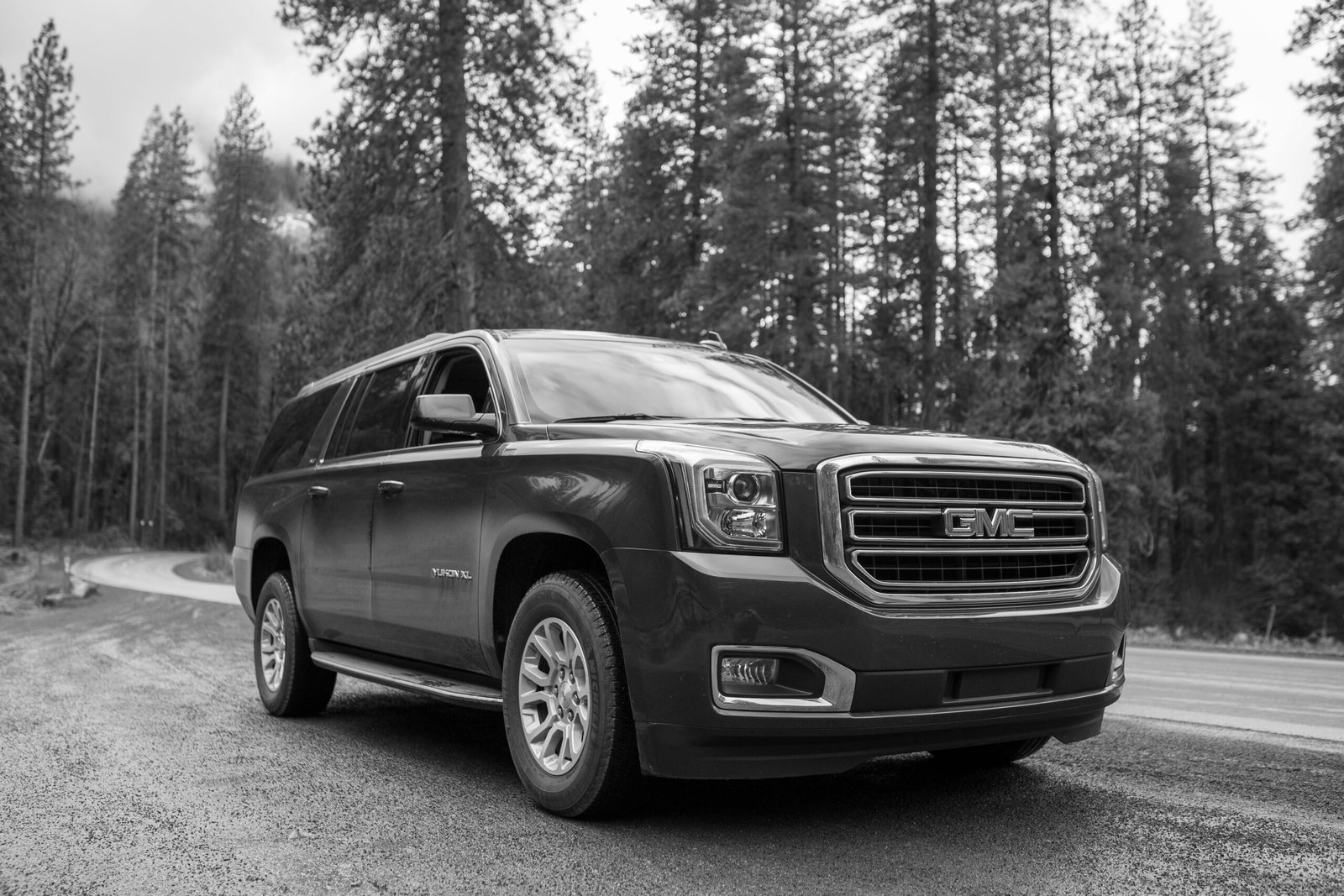
The GMC Yukon is a full-size SUV designed for drivers who need generous passenger space, strong performance, modern technology, and the ability to handle demanding journeys. Known for its commanding road presence and premium interior, the Yukon combines the practicality of a large family vehicle with the comfort and capability expected from a high-end SUV. It is particularly appealing to large families, frequent travelers, and drivers who regularly tow trailers, boats, or recreational equipment.
In 2026, the Yukon remains an important model in GMC’s SUV lineup. Its appeal comes from a combination of powerful engine options, three-row seating, substantial cargo capacity, available four-wheel drive, and advanced driver-assistance technology. Depending on the trim level, buyers can choose a vehicle focused on everyday comfort, off-road capability, or luxury.
When evaluating the 2026 GMC Yukon, we should consider more than its size and appearance. Engine performance, fuel consumption, interior configuration, technology, safety features, maintenance costs, and overall practicality all contribute to the ownership experience. Understanding these features helps buyers determine whether the Yukon is the right full-size SUV for their needs.
What Is the GMC Yukon?
The GMC Yukon is a large, body-on-frame sport utility vehicle manufactured by GMC, a division of General Motors. Its truck-based construction provides a foundation for towing, carrying passengers, and handling heavier loads. Unlike smaller crossover SUVs, the Yukon is built around a traditional frame, a design that supports its substantial size and utility.
The Yukon is closely related to the Chevrolet Tahoe, sharing important mechanical components and an underlying platform. However, GMC positions the Yukon with its own styling, interior presentation, equipment packages, and trim hierarchy. This gives buyers an alternative to the Tahoe when comparing full-size SUVs from the same automotive group.
The Yukon is also available in the Yukon XL configuration. This extended-length version provides additional space behind the third row and greater overall cargo capacity. Drivers who frequently travel with luggage, sports equipment, or several passengers may find the XL more practical than the standard model.
2026 GMC Yukon Design and Exterior Features
The 2026 GMC Yukon features a bold exterior that emphasizes strength, size, and sophistication. Its broad front grille, sculpted bodywork, distinctive lighting, and tall stance create a commanding appearance. The overall design communicates the Yukon’s full-size capabilities while maintaining the upscale character associated with GMC’s higher-end vehicles.
The front fascia is one of the SUV’s most recognizable design elements. Depending on the trim, grille finishes, lighting details, wheels, and exterior accents can vary considerably. These differences allow buyers to select a Yukon with a more traditional premium appearance or a sportier, darker visual style.
Its large dimensions offer practical advantages, including a spacious interior and substantial cargo area. However, the Yukon’s size also requires consideration when driving through narrow streets, entering parking garages, or maneuvering in crowded parking lots. Buyers who regularly drive in dense urban areas should pay attention to the vehicle’s overall length, width, turning requirements, and parking-assistance equipment.
The extended Yukon XL offers a longer body for people who prioritize passenger and luggage space. Although both versions deliver full-size SUV practicality, the XL is particularly useful for extended family trips, airport transportation, and situations where all three seating rows are regularly occupied.
Engine Performance, Towing Capacity, and Fuel Economy
Performance is a major reason buyers consider the GMC Yukon 2026. Its available engine lineup is designed to deliver the power required for a large SUV, whether the vehicle is carrying a full passenger load, traveling on the highway, or towing recreational equipment. Available powertrains vary by market and configuration, so we should always confirm the specifications for the particular model being considered.
The Yukon has traditionally offered V8 gasoline engines, including a 5.3-liter V8 and an available 6.2-liter V8 on selected configurations. A 3.0-liter Duramax turbo-diesel inline-six has also been offered, providing an alternative for drivers who prioritize low-speed torque and long-distance cruising efficiency. Availability can depend on model year, trim, and equipment.
The 5.3-liter V8 is a practical option for buyers seeking a balance of everyday performance and capability. The larger 6.2-liter V8 provides stronger output, making it attractive to drivers who want more acceleration and responsive highway performance. The diesel option appeals to people who regularly cover long distances or value the characteristics of a torque-focused engine.
Fuel economy deserves attention because a full-size SUV consumes more fuel than many smaller vehicles. Actual consumption varies with engine choice, traffic, speed, terrain, weather, and load. The diesel version may be attractive for certain long-distance driving patterns, while gasoline models offer their own performance advantages. Before buying, we recommend comparing official fuel-economy ratings with the expected daily driving routine.
Interior Comfort, Seating, and Cargo Space
The interior is one of the strongest selling points of the 2026 GMC Yukon SUV. Its large cabin is designed to accommodate families, passengers, and luggage without forcing buyers to move to a commercial-style vehicle. Depending on configuration, the Yukon can provide seating for up to eight people, although some layouts accommodate fewer passengers.
The first row is designed around driver and front-passenger comfort, with available power-adjustable seating and premium upholstery on selected trims. Higher equipment levels can add features such as heated and ventilated front seats, memory settings, upgraded interior materials, and additional comfort adjustments. These features are especially valuable when the vehicle is used for extended highway journeys.
Cargo capacity is another key advantage. With the rear seats in use, available luggage space varies between the standard Yukon and the longer Yukon XL. Folding the rear seats expands the cargo area for shopping, suitcases, camping supplies, and larger everyday items. The extended XL model is especially appealing when families need to carry passengers and luggage simultaneously.
Interior practicality also depends on storage compartments, cupholders, charging ports, and the ease of folding seats. Buyers should inspect these details alongside the headline cargo figures because they affect how conveniently the vehicle works in everyday life.
Technology, Infotainment, and Safety Features
Modern technology helps make the GMC Yukon more convenient for daily driving and long-distance travel. Depending on trim and equipment, the SUV can feature a large central infotainment display, digital driver information, smartphone integration, wireless connectivity, and multiple charging options. The precise screen sizes and available functions should be checked against the vehicle’s official specifications.
The infotainment system provides access to navigation, entertainment, vehicle settings, and compatible smartphone applications. Features such as Apple CarPlay and Android Auto availability should be verified for the exact model and market. Connected services may also depend on subscription plans, network coverage, and regional support.
Available premium audio equipment can improve the experience for passengers, while rear-seat entertainment options on selected configurations may help keep children occupied during long journeys. Multiple USB ports and convenient device storage can also be useful when several passengers travel together.
Before completing a purchase, we recommend checking the official safety information for the specific model year and configuration. A test drive should include adjusting the mirrors, checking visibility, testing the parking cameras, and learning how the vehicle’s alerts and assistance systems operate.
GMC Yukon Trims, Pricing, and Ownership Costs
The Yukon is offered in multiple trim levels, allowing buyers to choose different combinations of appearance, comfort, technology, and capability. The exact 2026 lineup and available equipment should be confirmed through GMC’s official configurator or a local dealership because trim names, packages, and specifications may vary by market.
At the more practical end of the range, a lower trim may provide the essential advantages of a large SUV without requiring buyers to pay for every premium feature. Higher trims generally emphasize upgraded cabin materials, additional convenience equipment, distinctive exterior details, and more advanced comfort features. Selected versions may focus on rugged styling or off-road-oriented equipment.
For buyers considering a used Yukon, a thorough inspection is essential. We recommend reviewing maintenance records, checking for accident history, inspecting tires and brakes, testing electronic features, and arranging an independent mechanical inspection. If towing has been a regular part of the vehicle’s previous use, the condition of relevant mechanical components deserves particular attention.
The best trim is the one that matches the owner’s actual needs. Paying for luxury features can make sense for drivers who value them daily, while a more modest configuration may provide better overall value for families primarily seeking space and capability.
Is the 2026 GMC Yukon Worth Buying?
The 2026 GMC Yukon can be an excellent choice for drivers who need a spacious, powerful, and versatile full-size SUV. Its principal strengths include three-row seating, substantial cargo capacity, available high-output engines, towing capability, and a range of comfort and technology features.
Families may appreciate the generous cabin, flexible seating, and ability to carry people and luggage on the same trip. Drivers who tow boats or trailers may value its available engine choices and truck-based construction. Buyers seeking a more premium experience can investigate the higher trims, while the Yukon XL provides an additional option for those who need more room.
Nevertheless, the Yukon is not the ideal vehicle for everyone. Its size can make parking and navigating narrow streets more difficult, and fuel costs can be significant. A smaller SUV may be more economical and easier to manage for drivers who rarely use three seating rows or need substantial towing capacity.
Ultimately, the Yukon is worth considering when space, capability, and comfort are more important than compact dimensions or minimal fuel consumption. A careful comparison of trims and ownership costs can help buyers choose a configuration that delivers the greatest practical value.
Frequently Asked Questions About the GMC Yukon
Is the GMC Yukon a luxury SUV?
The GMC Yukon is a premium full-size SUV. Higher trims, particularly Denali models, offer more luxurious materials, comfort features, and technology. Its positioning combines utility with an upscale driving experience.
How many people can the GMC Yukon seat?
Depending on the seating configuration, the Yukon can accommodate up to eight passengers. Some configurations have fewer seats, so buyers should check the exact interior layout before purchasing.
What is the difference between the Yukon and Yukon XL?
The main difference is body length. The Yukon XL is longer and provides additional cargo capacity, making it useful for families who regularly travel with passengers and luggage. The standard Yukon is easier to accommodate where parking space is limited.
Is the GMC Yukon good for towing?
Yes, properly equipped Yukon models are designed for towing substantial loads. However, the maximum capacity depends on the engine, drivetrain, configuration, and installed equipment. Always consult the official towing guide and stay within all vehicle and trailer weight limits.
Does the 2026 GMC Yukon offer four-wheel drive?
Four-wheel drive is available on selected configurations. Availability depends on the trim and market, so buyers should confirm the drivetrain of the specific vehicle they intend to purchase.
Is the GMC Yukon fuel-efficient?
The Yukon’s fuel consumption reflects its size, weight, and engine options. It generally uses more fuel than smaller crossover SUVs. Driving conditions and configuration affect actual results, so compare official ratings for the engines you are considering.
Should we buy the Yukon or Yukon XL?
Choose the standard Yukon if you want full-size SUV capability with a shorter overall body. Consider the Yukon XL if you regularly carry bulky luggage, travel with a full passenger load, or need additional cargo space behind the third row.
Conclusion
The GMC Yukon 2026 stands out as a versatile full-size SUV that combines passenger space, strong performance, practical cargo capacity, and available premium features. Its multiple configurations allow buyers to prioritize everyday family use, towing, technology, or luxury, while the extended Yukon XL offers even more room for demanding travel needs.
Before making a final decision, we should compare engine options, confirm towing specifications, inspect the available safety equipment, and calculate expected ownership expenses. A thorough test drive can reveal whether the seating, visibility, technology, and driving characteristics suit our requirements.
For buyers who need a capable three-row SUV with a commanding presence and a comfortable interior, the GMC Yukon deserves a place on the shortlist. The best model is ultimately the one that balances space, performance, features, and long-term value with the way we actually drive.

Learning how to brew pour over coffee is one of the best ways to enjoy a fresh, flavorful cup at home. This manual brewing method gives us control over the water temperature, coffee-to-water ratio, pouring technique, and brewing time, allowing us to bring out the unique characteristics of different coffee beans. Whether we prefer a bright, fruity coffee or a smooth, chocolatey cup, pour over brewing helps us adjust each part of the process to suit our taste.
Unlike automatic drip coffee makers, pour over coffee requires us to pour hot water manually over ground coffee held in a filter. The water extracts soluble compounds from the grounds and carries them into the cup below. By controlling how quickly and evenly the water flows through the coffee bed, we can influence the final flavor, strength, and balance.
The good news is that we do not need expensive equipment or professional barista training to get started. With a simple dripper, paper filter, freshly ground coffee, clean water, and a reliable scale, we can prepare excellent pour over coffee in our own kitchen.
In this guide, we will cover the equipment, ideal measurements, water temperature, grinding techniques, pouring steps, common mistakes, and practical tips needed to make consistently delicious pour over coffee at home.
What Is Pour Over Coffee and Why Is It Popular?
Pour over coffee is a manual brewing method in which hot water is poured over ground coffee placed inside a filter. Gravity draws the water through the grounds, extracting flavor before the brewed coffee flows into a mug or serving vessel.
Popular pour over devices include the Hario V60, Chemex, Kalita Wave, and other cone-shaped or flat-bottom drippers. Each design influences water flow and extraction in slightly different ways. Paper filters generally produce a cleaner cup by retaining much of the coffee’s fine particles and oils, while other filter materials can allow more oils and body into the finished drink.
One of the biggest advantages of this method is control over the brewing process. We can change the grind size, water temperature, pouring speed, and coffee-to-water ratio to create a cup that matches our preferences. This makes pour over brewing particularly appealing to coffee enthusiasts who enjoy exploring different beans and flavor profiles.
The method also encourages consistency. When we measure our ingredients and repeat the same technique, we can identify which changes improve the taste rather than guessing what went wrong.
Pour over coffee is not automatically better than espresso, French press, or automatic drip coffee. Instead, it offers a different experience: a hands-on brewing process that can highlight delicate aromas, acidity, sweetness, and flavor distinctions.
Equipment and Ingredients Needed to Brew Pour Over Coffee
Before we begin, we should prepare the right equipment. A simple setup is enough to make excellent coffee, but a few useful tools make it easier to control the brewing process and achieve consistent results.
Pour over coffee dripper
A V60-style cone, flat-bottom dripper, or Chemex allows hot water to pass through the coffee grounds and filter. Choose a design that suits your preferred brewing style.
Fresh coffee beans and a grinder
Whole beans generally retain their aroma better than pre-ground coffee. A burr grinder produces relatively uniform particles, helping us extract flavor more evenly.
Gooseneck kettle
A gooseneck kettle provides better control over the direction and flow of water. A standard kettle can also work if we pour carefully.
Digital scale, timer, and filter
A scale helps us measure coffee and water accurately, while a timer keeps brewing consistent. Use the filter designed for your dripper.
We also need clean drinking water and a mug or carafe to collect the finished coffee. If we do not have a digital scale, we can start with approximate measurements, but weighing ingredients in grams usually produces more repeatable results.
The Best Coffee-to-Water Ratio for Pour Over Coffee
The coffee-to-water ratio is one of the most important factors when learning how to brew pour over coffee. It determines how much coffee we use relative to the water passing through it.
A reliable starting point is a 1:16 ratio, meaning one gram of coffee for every 16 grams of water. We can adjust this ratio depending on whether we prefer a stronger or lighter cup.
| Ground coffee | Water | Approximate servings |
|---|---|---|
| 15 g | 240 g | 1 small-to-medium cup |
| 20 g | 320 g | 1 large cup |
| 25 g | 400 g | 2 smaller cups |
These measurements refer to the weight of the water, which is approximately equivalent to its volume in milliliters for everyday brewing purposes.
For a stronger cup, we can try a 1:15 ratio. For a lighter cup, a 1:17 ratio may work well. However, strength and extraction are not identical: adding more coffee generally increases concentration, while grind size, water temperature, and brewing time influence how effectively flavors are extracted.
For our first brew, we can use 20 grams of freshly ground coffee and 320 grams of water. Once we establish a baseline, we should change one variable at a time so that we can understand how each adjustment affects the taste.
How to Brew Pour Over Coffee Step by Step
Now we can prepare our first cup. The following method works as a general starting point for many cone-shaped and flat-bottom pour over brewers. Exact brewing times may vary depending on the dripper, filter, coffee, and grind size.
Step 1: Prepare and rinse the filter
Place the paper filter inside the dripper and rinse it with hot water. This helps the filter sit against the brewer, reduces possible paper flavors, and preheats the brewing equipment. Discard the rinse water before adding coffee.
Step 2: Grind the coffee
Weigh 20 grams of coffee beans and grind them to a medium-fine consistency, similar to granulated sugar. Start here, then adjust the grind according to the flow rate and flavor of the finished cup. Add the grounds to the filter and gently level the coffee bed.
Step 3: Bloom the coffee
Start the timer and pour approximately 40–60 grams of hot water over the grounds, making sure they are evenly wet. Wait about 30–45 seconds. This stage allows trapped gases to escape, which can help water contact the grounds more evenly.
Step 4: Pour the remaining water
Continue pouring slowly in controlled circles, starting near the center and moving outward without pouring directly against the filter walls. Bring the total water weight to 320 grams. You can split the remaining water into two or three pours to maintain an even coffee bed.
Step 5: Let the coffee drain
Allow the water to pass through the grounds naturally. A total brew time of around 2½–4 minutes is a useful initial target for many brewers, not a strict rule. Once dripping is nearly complete, remove the dripper and serve the coffee.
Before drinking, gently swirl the coffee in the carafe or mug if you have brewed into a server. This helps distribute the liquid evenly. Let the coffee cool slightly so that its sweetness, aroma, and other flavor characteristics become easier to notice.
Best Water Temperature and Grind Size for Pour Over Coffee
Water temperature and grind size strongly influence the flavor of pour over coffee. Even when we use the correct coffee-to-water ratio, these two variables can change whether the cup tastes balanced, sour, bitter, weak, or overly intense.
What Is the Best Water Temperature?
For most coffees, a useful starting range is 195–205°F (90–96°C). Water near the upper end of this range can be especially helpful for lighter roasts, while slightly cooler water may suit some darker roasts that extract readily.
We do not always need a specialized kettle with precise temperature controls. After boiling water, we can let it cool briefly before brewing. However, the cooling rate depends on the kettle, room temperature, and amount of water, so a thermometer provides more reliable control.
Water that is too cool may produce a cup that tastes thin or sour, particularly if the grind is also too coarse. Water that is very hot can still make excellent coffee, but when combined with an unsuitable grind and pouring technique, it may contribute to harsh or unbalanced flavors.
How Fine Should We Grind the Coffee?
A medium-fine grind is a sensible starting point for many cone-shaped pour over brewers. The grounds should be fine enough to provide adequate contact with water but not so fine that the brewer drains excessively slowly.
Coarse grind: Water passes through quickly, which can lead to weak or sour coffee if extraction is insufficient.
Medium grind: Often works well in flat-bottom brewers and some cone-shaped drippers.
Medium-fine grind: A common starting point for V60-style brewing.
Very fine grind: Can slow water flow considerably and may produce excessive bitterness or astringency if the brewing process is not adjusted accordingly.
These are general guidelines rather than universal rules. Different brewers, filters, coffee varieties, and roast levels behave differently. We should use the taste of the finished coffee, along with the drawdown time, to guide adjustments.
Common Pour Over Coffee Mistakes and How to Fix Them
Even experienced coffee drinkers sometimes brew disappointing cups. The best way to improve is to identify the likely cause and make a controlled adjustment instead of changing every variable at once.
| Common problem | Possible cause | What to try |
|---|---|---|
| Sour or sharp taste | Insufficient extraction | Grind slightly finer or use hotter water |
| Bitter or harsh taste | Excessive extraction or roast bitterness | Try a slightly coarser grind or cooler water |
| Weak, watery coffee | Too little coffee or an overly high water ratio | Increase the coffee dose slightly |
| Slow draining | Grind too fine or filter clogging | Grind coarser and pour more gently |
| Uneven flavor | Uneven wetting or inconsistent pouring | Improve the bloom and pour more evenly |
| Inconsistent results | Changing several variables between brews | Measure ingredients and standardize your technique |
Avoid Pouring Too Quickly
Pouring a large amount of water too quickly can disturb the coffee bed and make extraction less consistent. We should use a controlled stream and distribute water across the grounds without repeatedly splashing the filter walls.
Do Not Ignore the Bloom
Fresh coffee releases carbon dioxide when hot water first contacts the grounds. If parts of the coffee bed remain dry during the bloom, extraction may become uneven. Pour enough water to wet all the grounds, and gently adjust the pour if dry patches remain.
Keep the Brewing Equipment Clean
Coffee oils and old residue can affect flavor over time. Rinse the dripper and server after use, wash reusable equipment regularly, and follow the manufacturer’s cleaning instructions. Clean equipment helps us taste the coffee rather than lingering residue from previous brews.
How to Make Pour Over Coffee Taste Better Every Time
Once we understand the basic method, we can refine our brewing technique to bring out the best characteristics of different beans. The key is to develop a repeatable routine and make small adjustments based on the result.
Start with freshly roasted, good-quality beans. Coffee loses aroma over time, especially after grinding. Buying whole beans and grinding them shortly before brewing usually produces a more expressive cup. Store beans in an airtight container away from heat, light, and moisture.
Use clean, good-tasting water. Since coffee is mostly water, the water’s flavor and mineral content affect the result. Water with an unpleasant smell or taste can undermine even excellent beans. Extremely soft or highly mineralized water can also change extraction, so a suitable drinking-water source is a worthwhile investment.
Choose a ratio that matches your taste. A 1:16 ratio is an excellent starting point, but we can experiment with 1:15 for a more concentrated cup or 1:17 for a lighter one. Record the amounts so that we can reproduce successful brews.
Pour consistently. Use a steady stream and avoid aggressive movements that disturb the grounds unnecessarily. For many brewers, two or three pours after the bloom provide a useful balance between control and simplicity.
Keep a short brewing journal. Note the coffee’s origin, roast level, grind setting, water temperature, ratio, total brewing time, and taste. If one cup is particularly sweet and balanced, these notes help us recreate it.
Most importantly, we should avoid assuming that a single recipe works perfectly for every coffee. A light-roasted Ethiopian coffee may benefit from hotter water and a finer grind, while a darker-roasted Brazilian coffee may taste better with a somewhat coarser grind or cooler water.
Experimentation is part of the enjoyment. When we adjust one variable at a time and pay attention to flavor, pour over brewing becomes easier, more predictable, and more rewarding.
Frequently Asked Questions About How to Brew Pour Over Coffee
What is the best ratio for pour over coffee?
A 1:16 coffee-to-water ratio is a reliable starting point. We can use 20 grams of ground coffee with 320 grams of water, then adjust the ratio according to our preferred strength and flavor.
How long should pour over coffee take?
Many pour over recipes finish in approximately 2½–4 minutes, including the bloom. The ideal time depends on the brewer, filter, grind size, coffee roast, and pouring technique. Flavor should guide our adjustments rather than time alone.
Should we use boiling water for pour over coffee?
We can use water just off the boil, but a starting temperature of 195–205°F (90–96°C) works well for many coffees. Lighter roasts may benefit from hotter water, while some darker roasts taste better when brewed at a lower temperature.
Why does our pour over coffee taste sour?
Sour coffee can indicate insufficient extraction, although some coffees naturally have bright acidity. We can try grinding slightly finer, increasing the water temperature, or improving how evenly we wet the grounds. Make one change at a time and taste the result.
Can we make pour over coffee without a gooseneck kettle?
Yes. A gooseneck kettle makes controlled pouring easier, but a regular kettle works too. We should pour slowly and carefully to wet the grounds evenly without overflowing the filter.
Is pour over coffee stronger than regular drip coffee?
It depends on the coffee-to-water ratio and brewing method. Pour over coffee can be more concentrated or more delicate than automatic drip coffee. The technique itself does not automatically determine strength; the amount of coffee and water plays a major role.
Do we need a coffee grinder to make pour over coffee?
A grinder is not essential because pre-ground coffee can work well. However, grinding whole beans shortly before brewing generally preserves more aroma and allows us to adjust the grind size for better extraction.
Conclusion: Master How to Brew Pour Over Coffee at Home
Learning how to brew pour over coffee becomes much easier when we understand the relationship between coffee measurements, grind size, water temperature, and pouring technique. With a suitable dripper, a paper filter, fresh coffee, and clean water, we can make an excellent cup without complicated equipment.
A practical starting recipe is 20 grams of coffee to 320 grams of water, brewed at approximately 195–205°F (90–96°C), with a 30–45-second bloom and a total brewing time of around 2½–4 minutes. These guidelines give us a reliable foundation that we can adjust to suit different beans and personal preferences.
Ultimately, the best pour over coffee is the cup that tastes right to us. By practicing regularly and experimenting with different beans, ratios, and techniques, we can turn a simple morning routine into a rewarding coffee experience.

The word Uncuymaza has become an increasingly curious search term in 2026. People encountering it online may find explanations connecting it with Andean culture, Quechua language, art, spirituality, food, creativity, technology, or digital culture. The difficulty is that these explanations do not consistently agree with one another.
When we investigate an unfamiliar term, we need to distinguish between what can actually be established and what has simply been repeated online. Current search results show that Uncuymaza does not have one universally accepted definition or firmly documented historical origin. Several websites acknowledge this uncertainty, while others present specific cultural explanations without providing enough evidence to establish them as fact.
At the same time, Uncuymaza has a clearly identifiable modern online use: uncuymaza.com presents itself as a general digital publishing platform covering technology, lifestyle, entertainment, guides, trends, and general information.
What Is Uncuymaza?
The safest description of Uncuymaza in 2026 is that it is an uncommon and emerging online term with an uncertain broader meaning.
Unlike an established English word, Uncuymaza does not currently have a definition that can be confidently applied in every context. Different websites use the term in different ways. Some describe it as a symbolic or creative concept, while others associate it with cultural traditions or modern digital media.
This makes the word unusual but also explains why so many people are searching for it. When readers encounter an unfamiliar expression, they naturally want to know whether it is a place, cultural term, philosophy, brand, website, artistic movement, or newly coined word.
In practical online usage, one of the clearest current references is the Uncuymaza website, which describes itself as a digital destination offering informative content across multiple subjects. Its stated focus includes useful guides, trending topics, entertainment, technology, lifestyle, and online trends.
Therefore, when we encounter the word today, context matters considerably.
Does Uncuymaza Have a Confirmed Historical Origin?
One of the most important questions surrounding Uncuymaza is its origin. At present, there is insufficient reliable evidence to establish a single historical explanation.
Some online articles suggest that the word has an Andean or Quechua connection and associate it with concepts such as harmony, nature, community, and balance. Other pages suggest artistic, spiritual, culinary, or technological interpretations. However, the existence of multiple competing explanations does not prove that any particular interpretation is historically authentic.
We should therefore avoid presenting an uncertain etymology as established history.
A genuine historical linguistic claim normally benefits from evidence such as dictionary records, historical texts, academic linguistic research, archival material, documented usage, or testimony from relevant language communities. Without that type of evidence, an attractive explanation remains a possibility rather than a confirmed fact.
This distinction is particularly important for Uncuymaza because some recent pages confidently assign the term a cultural history while other investigations conclude that its origin cannot currently be verified.
Why Are There So Many Different Meanings of Uncuymaza?
The unusual number of interpretations is one of the most interesting aspects of the Uncuymaza phenomenon.
A search can produce descriptions involving culture, nature, community, spirituality, art, design, food, technology, artificial intelligence, and digital publishing. These subjects are so different that they cannot all represent one established definition.
One explanation is that the term is new or poorly documented, allowing writers to interpret it freely. Another possibility is that different websites have repeated or expanded upon earlier online claims without independently verifying their sources.
There is also a broader digital phenomenon involved. Unfamiliar keywords can attract attention precisely because people want an explanation. Once several articles begin discussing the same term, additional pages may appear, each attempting to provide a more detailed definition.
Some 2026 investigations have even characterized Uncuymaza as a possible internet-created or AI-associated term, but this remains an unconfirmed theory rather than an established origin. No definitive creation record, original prompt, or documented creator has been publicly established in the sources reviewed.
For that reason, we should treat both the cultural-origin theory and the AI-origin theory cautiously.
Uncuymaza as a Modern Digital Platform
One aspect of Uncuymaza that can be described more directly is its use as a website and digital publishing identity.
The official Uncuymaza website describes itself as an online platform intended to provide informative, accessible, and engaging content. Its stated categories span subjects such as technology, lifestyle, entertainment, guides, business, and current online trends.
Its About Us page further describes Uncuymaza as a growing platform involving writers, researchers, and content creators, with an emphasis on practical and user-friendly information.
This modern use is important because it gives the word a concrete contemporary identity even though its deeper etymology remains uncertain.
We can therefore distinguish between two questions:
- What is Uncuymaza used for online today? It is associated with a digital publishing platform and online content.
- What did the word originally mean? That remains uncertain and should not be presented as settled history.
This distinction provides a much clearer understanding of the term.
Is Uncuymaza a Quechua or Andean Word?
Claims connecting Uncuymaza with Quechua or Andean culture should be approached carefully.
Several online articles make cultural associations, sometimes describing Uncuymaza as a concept involving balance, community, nature, identity, or harmony. Such descriptions may sound plausible because they resemble themes found in discussions of Andean cultures, but plausibility is not the same as linguistic evidence.
Some other investigations specifically report that they could not verify the word through commonly available linguistic and cultural references.
Consequently, we should not state categorically that Uncuymaza is an ancient Quechua word unless stronger primary evidence becomes available.
It is entirely possible for a newly created term to resemble the sound or structure of an existing language. It is also possible for an informal expression to circulate without appearing in major reference works. Neither possibility, however, provides sufficient evidence for a historical claim.
The most responsible position in 2026 is therefore that the Quechua or Andean origin remains unverified.
Why Is Uncuymaza Trending Online?
The growing interest in Uncuymaza can be understood through its unusual combination of mystery, unfamiliar spelling, competing explanations, and online repetition.
People generally search unfamiliar words because they want a simple answer. With Uncuymaza, however, the search results themselves create additional questions. One page may describe it as a cultural concept, another as a creative idea, and another as a digital platform.
That disagreement naturally encourages further searches.
The term also illustrates how modern internet language can develop. A brand name, username, website title, fictional expression, AI-generated phrase, or creative project name can potentially become recognizable after being repeated across online communities.
In this case, the available evidence does not establish one definitive explanation for the word’s rise. What we can say with greater confidence is that Uncuymaza has developed a noticeable online presence during 2026, particularly through articles attempting to explain its meaning and origin.
How Should We Understand Uncuymaza in 2026?
The best approach is to regard Uncuymaza as an emerging online term whose meaning depends heavily on context.
If we encounter it in connection with the Uncuymaza website, it refers to a modern digital publishing identity. If we see it in an article discussing culture or creativity, the writer may be using it as a conceptual term. If we see claims about ancient origins, we should look for independent historical or linguistic evidence before accepting them.
The key lesson is that repetition does not automatically create historical evidence. A claim appearing on many websites can still originate from one unsourced article or an earlier speculative interpretation.
For readers, researchers, writers, and content creators, this makes source evaluation especially important. We should distinguish clearly between documented facts, current online usage, possible interpretations, and speculation.
Frequently Asked Questions About Uncuymaza
What does Uncuymaza mean?
There is currently no universally confirmed definition. It is an uncommon online term with several competing interpretations.
Is Uncuymaza a real word?
The term is certainly being used online, including as the name of a digital platform. However, its broader linguistic or historical status remains uncertain.
Is Uncuymaza an ancient Quechua word?
There is not enough reliable evidence to establish this claim. Online sources make the association, but stronger linguistic or historical documentation would be needed.
Is Uncuymaza a website?
Yes. uncuymaza.com presents itself as a general-interest digital content platform covering areas such as technology, lifestyle, entertainment, guides, and trends.
Why are people searching for Uncuymaza?
Its unusual spelling and the conflicting explanations surrounding its meaning and origin have generated curiosity and additional online searches.
Final Thoughts on Uncuymaza
Uncuymaza is an excellent example of how a mysterious online term can develop a surprisingly large digital footprint before its origin and meaning are fully established. In 2026, we can confidently identify Uncuymaza as an emerging online name and digital publishing identity, but we should remain cautious about claims assigning it a specific ancient, linguistic, or cultural origin.
The most accurate understanding is therefore not to force Uncuymaza into one definition. Instead, we should examine how the term is being used, who is using it, what evidence supports the claim, and whether the source can be independently verified.
As more historical records, creator information, linguistic research, or primary documentation become available, the story behind Uncuymaza may become clearer. Until then, separating verified online usage from speculation provides the most reliable way to understand this unusual and increasingly searched term.

Yukon: A Complete Guide to the GMC Yukon SUV in 2026

How to Brew Pour Over Coffee: A Complete Step-by-Step Guide for 2026

Sosoactive: Meaning, Uses, Features, and What We Know in 2026

Playing Game Site PlayBattleSquare (2026): Complete Guide to Features, Gameplay, Community, and Gaming Experience

Is Mychael Schnell Married? (2026) Everything We Know About the Journalist’s Personal Life, Career, and Background

The #Thriftyevents.net: A Complete Guide to Affordable Event Planning and Budget-Friendly Celebrations in 2026
 Gaming3 months ago
Playing Game Site PlayBattleSquare (2026): Complete Guide to Features, Gameplay, Community, and Gaming Experience
- Celebrity3 months ago
Is Mychael Schnell Married? (2026) Everything We Know About the Journalist’s Personal Life, Career, and Background
- Blog3 months ago
The #Thriftyevents.net: A Complete Guide to Affordable Event Planning and Budget-Friendly Celebrations in 2026
- Celebrity3 months ago
Isaac Ortega: Biography, Career, Achievements, and Growing Influence
- Technology3 months ago
Slylar Box: A Complete Guide to Features, Benefits, Uses, and What You Should Know
- Food3 months ago
Best Calçots with Romesco Near Me: The Ultimate 2026 Guide to Finding Authentic Catalan Grilled Onions
- Entertainment3 months ago
Buffstreams: Everything You Need to Know About the Popular Sports Streaming Platform
- Fashion3 months ago
www.redandwhitemagzcom: A Complete Guide to the Digital Magazine Platform in 2026